Emotional Awareness & Intelligence
🕒 Last Updated on February 20, 2025
Emotional Awareness: Key Steps to Better Understand Your Feelings
Your emotions shape how you think, act, and relate to others. When you can spot and name your feelings, you make better choices and build stronger connections.
Emotional awareness helps you recognize and understand your feelings so you can respond thoughtfully instead of reacting automatically.
Learning to tune into your emotions takes practice, but it’s a skill you can develop.
It starts with paying attention to physical signs like a racing heart or tense shoulders. These clues tell you what you’re feeling before your mind catches up.
Your emotional intelligence grows as you get better at spotting feelings in yourself and others.
When you build emotional awareness, you gain more control over your reactions and become more skilled at navigating relationships at work and home. You also find it easier to bounce back from tough situations.

Save what you love, hover or tap the image and pin it now.
Understanding Emotional Awareness
Emotional awareness helps you identify feelings in yourself and others, leading to better relationships and personal growth. Your ability to recognize and manage emotions shapes how you interact with the world.
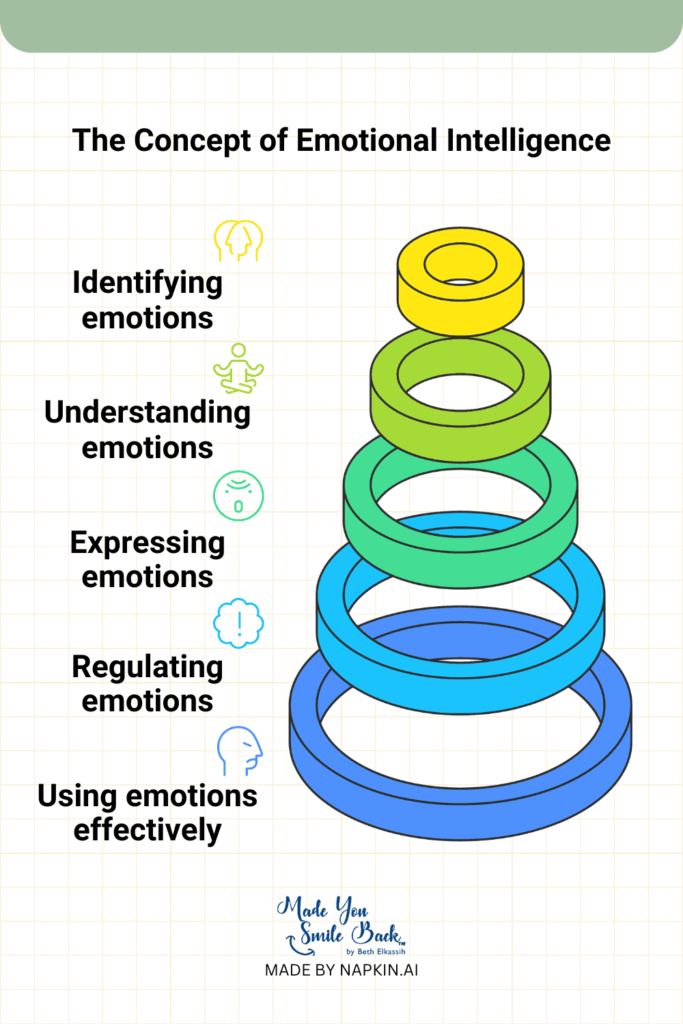
The Concept of Emotional Intelligence
Emotional Intelligence (EI) forms the foundation of emotional awareness. Your EI determines how well you can spot, process, and react to emotional signals.
Get your Freebie


The Emotional Quotient Inventory 2.0 measures five key areas of emotional competence:
- Identifying emotions
- Understanding emotions
- Expressing emotions
- Regulating emotions
- Using emotions effectively
Your EI skills can improve with practice and attention to emotional cues.
Levels of Emotional Awareness
You progress through different stages as you develop emotional awareness.
At the basic level, you notice physical sensations tied to emotions.
At intermediate levels, you start naming specific feelings and understanding their causes.
Advanced emotional awareness lets you recognize complex emotional states in yourself and others. You can identify mixed feelings and subtle emotional shifts.

Differentiated Emotions and Recognition
Your ability to tell emotions apart is crucial for living authentically.
Basic emotions include happiness, sadness, anger, fear, and surprise.
More complex emotions mix these basic feelings. For example, jealousy combines fear, anger, and sadness.
Learning to spot emotional signs helps you:
- Read facial expressions
- Notice body language
- Pick up on tone of voice
- Understand situational context

Save what you love, hover or tap the image and pin it now.
Emotions and Their Impact
Emotional awareness plays a key role in your daily life by influencing your actions, relationships, and mental well-being. Your feelings serve as internal signals that guide your decisions and shape your interactions with others.
Common Emotional Experiences
Your basic emotions include happiness, sadness, anger, fear, and surprise. These feelings arise from different situations and trigger specific physical responses in your body.
When you feel joy, your body releases chemicals that boost your energy and mood. Your heart rate might increase, and you may notice yourself smiling without thinking about it.
Emotional signals inform you about safety and motivation in various situations. For example, fear makes your heart race and prepares you to respond to danger.
Behavioral Responses to Emotions
Your emotions directly affect how you act and react to situations. Strong feelings can lead to both helpful and challenging behaviors.
When angry, you might:
- Speak louder than usual
- Make quick decisions
- Take defensive actions
- Feel physically tense
During happy moments, you tend to:
- Be more social
- Show increased creativity
- Make positive choices
- Feel more energetic
Negative Emotions and Mental Health
Being aware of difficult emotions helps you manage your mental health. Anxiety, depression, and prolonged stress can affect your daily functioning.
Unprocessed negative emotions may lead to:
- Sleep problems
- Changes in appetite
- Difficulty concentrating
- Social withdrawal
Learning to recognize these feelings early helps you take action.
You can seek support, use coping strategies, or make lifestyle changes before emotions become overwhelming.
Professional help becomes important when negative emotions persist or interfere with your daily life.
Save what you love, hover or tap the image and pin it now.
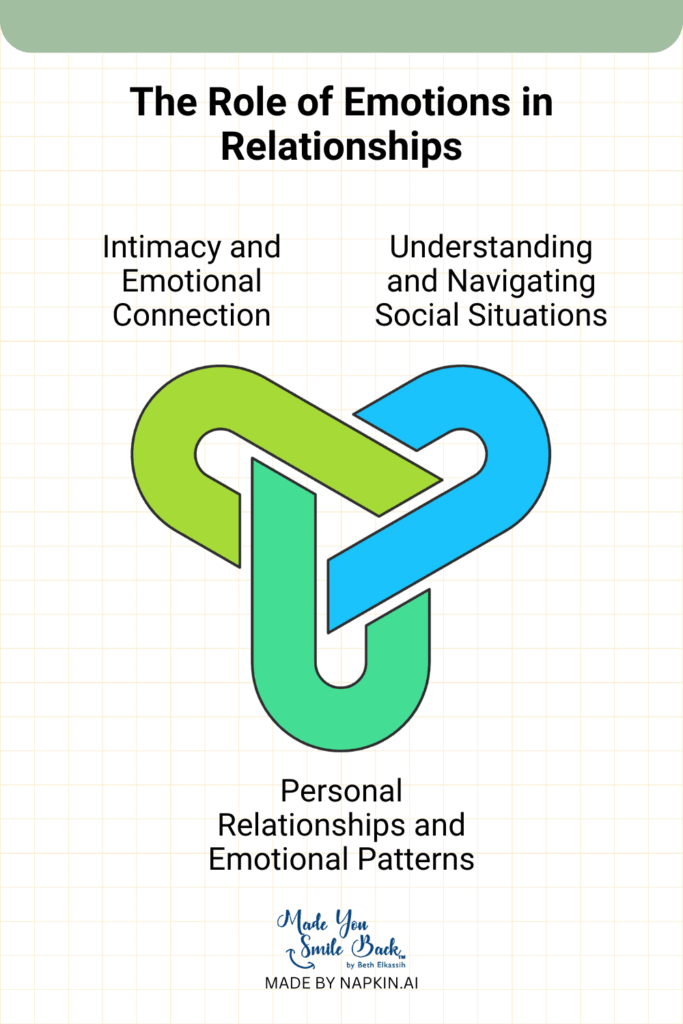
The Role of Emotions in Relationships
Emotional awareness helps you form deeper connections and build stronger relationships. Your ability to recognize and respond to emotions shapes how you interact with others and maintain healthy bonds.
Intimacy and Emotional Connection
Emotional contact is a primary human need, especially in intimate relationships. When you share your feelings openly, you create opportunities for deeper connection.
Being vulnerable with your partner helps build trust. This means expressing both positive and difficult emotions in a respectful way.
Key elements of emotional intimacy:
- Sharing personal experiences
- Active listening
- Expressing empathy
- Showing compassion
- Validating feelings
Understanding and Navigating Social Situations
Your emotional intelligence affects how well you handle social interactions. Reading others’ emotional cues helps you respond appropriately in different settings.
Pay attention to:
- Facial expressions
- Tone of voice
- Body language
- Group dynamics
You can improve your social awareness by practicing empathy and staying present in conversations. This helps you pick up on subtle emotional signals.
Personal Relationships and Emotional Patterns
Your emotional habits directly impact your relationships. When you notice patterns in your reactions, you can make better choices about how to respond.
Better emotional awareness leads to improved communication. This means recognizing when you feel:
- Defensive
- Anxious
- Excited
- Hurt
Take time to pause and reflect before reacting. This helps you maintain healthier relationships and avoid harmful emotional cycles.
Learning to express your needs clearly while respecting others’ feelings creates stronger bonds. Your emotional self-awareness shapes every interaction you have.
Save what you love, hover or tap the image and pin it now.
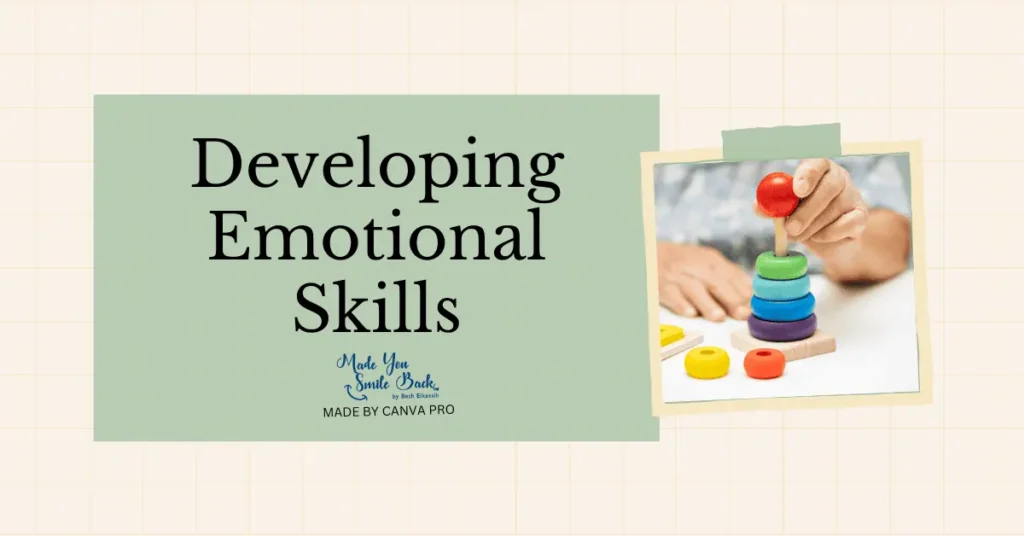
Developing Emotional Skills
Building strong emotional skills helps you navigate daily challenges and maintain better relationships. These skills are like muscles – they get stronger with regular practice and the right techniques.
Emotion Regulation Techniques
Emotional regulation skills help you manage intense feelings effectively.
Deep breathing is a powerful tool – try taking 5 slow breaths when you feel overwhelmed.
The STOP technique can help you regain control:
- Stop what you’re doing
- Take a step back
- Observe your thoughts and feelings
- Proceed mindfully
Identify your emotional triggers and create a plan to handle them.
Write down situations that upset you and practice healthy responses like counting to ten or taking a brief walk.
Cultivating Resilience and Well-Being
Building emotional intelligence requires practicing self-compassion. Treat yourself with the same kindness you’d show a good friend.
Create a daily well-being routine:
- Start with 5 minutes of quiet reflection
- List three things you’re grateful for
- Set one small goal for the day
When facing setbacks, focus on what you can learn rather than dwelling on mistakes. This builds mental strength over time.
Mindfulness and Emotional Balance
Mindfulness exercises help you stay present and recognize emotions before they become overwhelming.
Start with 2-3 minutes of focused breathing each morning.
Use the RAIN method during difficult moments:
- Emotional awareness helps you identify and understand feelings in yourself and others. When you develop this skill, you can better handle tough situations and build stronger relationships.
Practice body scanning to notice physical signs of emotions. Tension in your shoulders or a racing heart often signal stress before you consciously realize it.
Save what you love, hover or tap the image and pin it now.
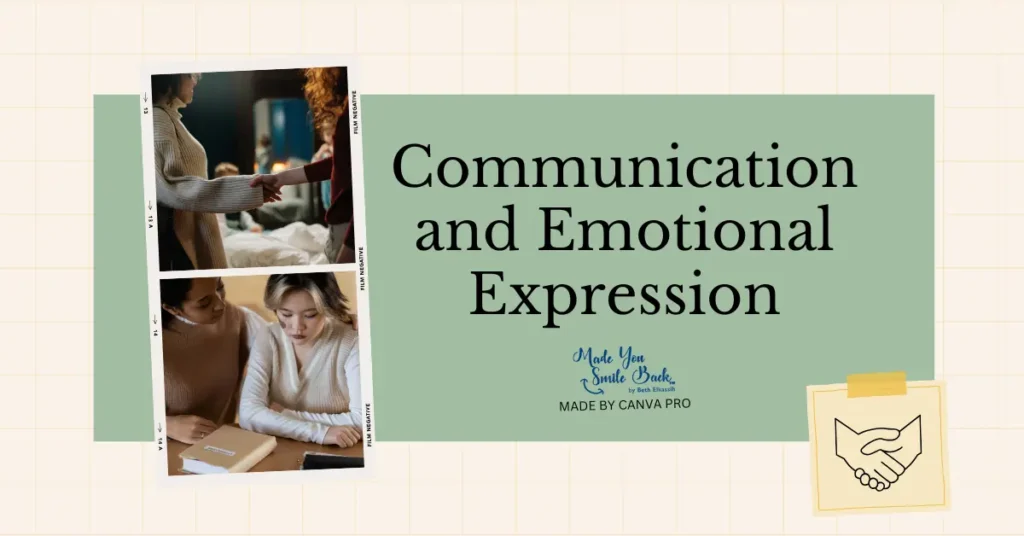
Communication and Emotional Expression
Emotional awareness leads to stronger relationships and clearer communication. When you express your feelings accurately and respond to others with empathy, you create deeper connections and mutual understanding.
The Importance of Emotional Vocabulary
Developing your emotional vocabulary helps you name and express your feelings with precision.
Instead of saying “I feel bad,” you can specify whether you feel disappointed, frustrated, or overwhelmed.
Common Emotional Terms:
- Primary: happy, sad, angry, scared
- Secondary: disappointed, irritated, anxious, excited
- Complex: vulnerable, overwhelmed, appreciated, validated
Learning to use specific emotional words makes your communication more effective and helps others understand your experience better.
Interpersonal Effectiveness and Empathy
Effective emotional communication requires both expressing yourself clearly and understanding others’ feelings. When you listen actively and show empathy, you create safe spaces for authentic conversations.
Key elements of empathetic communication:
- Maintain eye contact
- Use open body language
- Reflect back what you hear
- Ask clarifying questions
Your genuine interest in others’ emotions helps build trust and strengthens relationships.
Observation and Response to Emotional Cues
Reading emotional cues involves noticing facial expressions, tone of voice, and body language. Pay attention to these non-verbal signals during conversations.
Common Emotional Cues:
- Crossed arms might indicate discomfort
- Smile lines around eyes show genuine happiness
- Rapid speech often signals excitement or anxiety
Respond to these cues by adjusting your communication style. If someone seems tense, speak more softly and give them space to express themselves.
Match your responses to the emotional temperature of the conversation. This creates harmony and shows respect for others’ emotional states.
Save what you love, hover or tap the image and pin it now.
Self-Exploration and Emotional Growth
Self-exploration helps you understand your emotions and reactions on a deeper level. The process builds stronger self-awareness and leads to better choices in life.
Emotional Self-Awareness and Identity
Regular self-reflection and journaling help you recognize patterns in your emotional responses. When you track your feelings daily, you learn to spot triggers and understand why certain situations affect you strongly.
Your emotional awareness grows when you pause to examine your reactions without judgment. Notice physical sensations like a racing heart or tense shoulders – these are important clues about your emotional state.
Try asking yourself these questions when strong feelings arise:
- What exactly am I feeling right now?
- Where do I feel this in my body?
- What thoughts accompany this emotion?
- Have I felt this way before in similar situations?
Curiosity and Self-Reflection
Asking thoughtful questions about your experiences helps you gain valuable insights. Approach your inner world with genuine curiosity rather than criticism.
Set aside 10-15 minutes each day for quiet reflection. Focus on one recent experience or interaction that stands out to you.
Keep these prompts in mind during self-reflection:
- What values guided my actions?
- How did this situation challenge or support my beliefs?
- What can I learn from this experience?
Improving Decision-Making and Problem-Solving
Greater emotional awareness leads to clearer thinking when facing challenges. You make better choices when you understand the emotional factors influencing your decisions.
Create space between feelings and actions by pausing before reacting. Take three deep breaths and name the emotions you’re experiencing.
Consider these aspects when making important decisions:
- Your core values and priorities
- Past experiences with similar situations
- The potential impact on yourself and others
- Your gut feelings alongside logical analysis
Save what you love, hover or tap the image and pin it now.
Frequently Asked Questions
Emotional awareness involves recognizing and understanding emotions in yourself and others. Learning emotional awareness skills leads to stronger relationships and better decision-making at work and home.
How can one improve their emotional intelligence?
Practice naming your emotions with specific words beyond just “good” or “bad.” Pay attention to physical sensations like a racing heart or tense shoulders.
Keep a daily emotion journal to track your feelings and what triggered them. This helps you spot patterns over time.
Take time to pause before reacting when emotions are high. Ask yourself what you’re feeling and why.
What are the main differences between emotional awareness and emotional intelligence?
Emotional awareness focuses on recognizing and identifying emotions as they happen. It’s the foundation for developing broader emotional intelligence skills.
Emotional intelligence includes awareness plus the ability to manage emotions, motivate yourself, and handle relationships effectively.
What types of tools or worksheets could help in developing emotional awareness?
The Emotional Intelligence Toolkit includes emotion wheels to expand your feeling vocabulary and mood tracking sheets.
Daily reflection prompts help you explore emotional triggers and responses. Mindfulness exercises guide you to notice physical sensations linked to emotions.
Can you suggest any books that focus on teaching or improving emotional awareness?
“Permission to Feel” by Marc Brackett provides research-based strategies for understanding emotions.
“Atlas of the Heart” by Brené Brown maps out different emotional experiences and their meanings.
“Emotional Intelligence 2.0” by Travis Bradberry offers practical exercises to build awareness skills.
What are some practical examples of emotional awareness in everyday life?
Noticing you feel irritated during a long meeting and taking deep breaths to stay focused.
Recognizing when a friend seems sad based on their tone of voice and asking if they want to talk.
Understanding that your excitement about a project might make you rush important details.
Why is emotional awareness important in personal and professional relationships?
Better emotional awareness leads to clearer communication and fewer misunderstandings with family, friends, and coworkers.
It helps you respond thoughtfully instead of reacting impulsively during conflicts.
You can better support others when you understand their emotional needs and experiences.
Save what you love, hover or tap the image and pin it now.
In Conclusion – Final Last Words
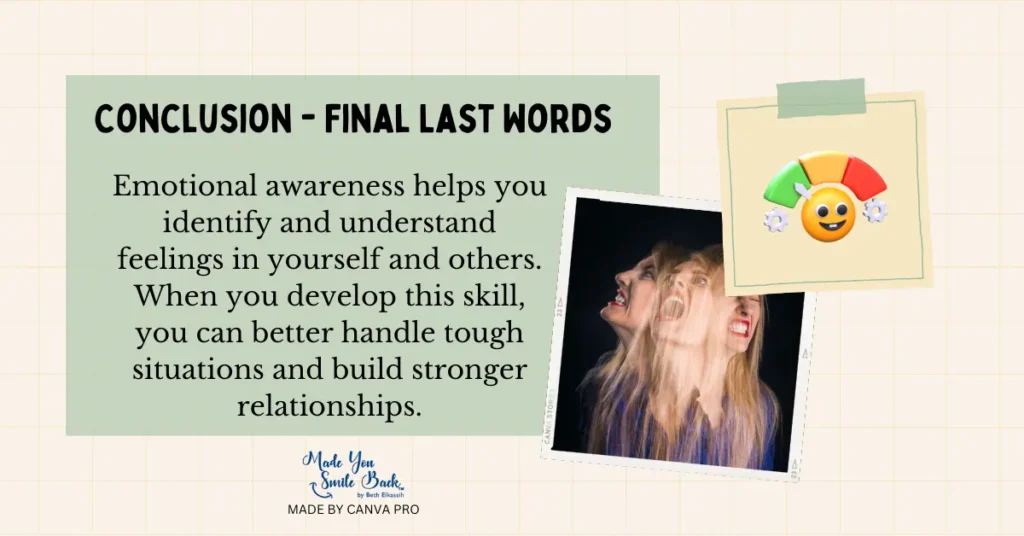
Emotional awareness helps you identify and understand feelings in yourself and others. When you develop this skill, you can better handle tough situations and build stronger relationships.
Your emotional awareness exists on a scale. You can practice and improve it over time, just like any other skill.
Learning to spot physical signs of emotions in your body is a good starting point. Notice things like a tight chest when anxious or warm cheeks when embarrassed.
Regular practice of emotional awareness makes it easier to:
- Name your feelings accurately
- Control your reactions
- Show empathy to others
- Make better decisions
Remember that becoming more emotionally aware takes time and patience. Start with small steps and celebrate your progress along the way.