Top 6 Habits for Success: Essential Practices for Achieving Your Goals
🕒 Last Updated on September 9, 2024
Top Six Habits for Success: Essential Practices for Achieving Your Goals
Want to boost your chances of success? Developing the right habits can make a big difference. Many highly successful people share common practices that help them achieve their goals.
These habits aren’t complicated. They’re simple things you can start doing today.
By adopting just a few key habits, you can set yourself up for greater success in your life and career.
In this post, we’ll look at 6 powerful habits that can help you reach your full potential.
You’ll learn practical ways to be more productive, focused, and motivated.
Whether you want to advance your career or improve your personal life, these habits can give you an edge.
Let’s explore how you can start building success one habit at a time.


Save what you love, hover or tap the image and pin it now.
Defining Success and Setting Clear Goals
Success means different things to different people. Setting clear goals is key to achieving what you want.
Get your Freebie


Let’s explore how to define success and create effective goals.
Understanding Success
Success is personal. It can mean wealth, happiness, or making a difference. You need to decide what success looks like for you.
Think about your values and what truly matters in your life.
Success might be:
- Career growth
- Strong relationships
- Good health
- Financial stability
- Personal growth
Your definition of success can change over time. It’s important to check in with yourself and adjust as needed.

The Importance of Goal-Setting
Setting clear goals gives you direction and purpose. Goals help you focus your energy and efforts. They provide a roadmap for your actions.
Benefits of goal-setting:
- Motivation
- Clarity
- Measurable progress
- Increased confidence
Without goals, you might feel lost or unsure of what to do next. Goals give you something to work towards. They help you make decisions that align with your vision of success.
Creating Clear and Achievable Goals
To set effective goals, use the SMART method:
- Specific
- Measurable
- Achievable
- Relevant
- Time-bound
Break big goals into smaller, actionable steps. This makes them less overwhelming and easier to tackle.
Write your goals down and review them regularly.
Clear goals should challenge you but still be realistic. They should align with your values and definition of success.
Be specific about what you want to achieve and by when.
Remember to celebrate small wins along the way. This keeps you motivated and on track to reach your larger goals.

Save what you love, hover or tap the image and pin it now.
Developing a Powerful Daily Routine
A strong daily routine sets the foundation for success. It helps you stay focused, productive, and balanced.
By creating habits around key activities, you can make progress towards your goals each day.
Establishing a Morning Routine
Start your day with purpose. Wake up at the same time each morning, even on weekends. This helps regulate your body’s internal clock.
Make your bed right away – it’s an easy win to start the day.
Plan your day over breakfast. Review your calendar and to-do list. Set 1-3 top priorities to focus on.
Avoid checking email or social media first thing.
Instead, do something positive like reading, journaling, or light stretching. This puts you in a good mindset.
Try to get outside for some fresh air and natural light. Even 5-10 minutes can boost your mood and energy.
Incorporating Exercise and Healthy Eating
Make time for exercise each day. Even 20-30 minutes of moderate activity has big benefits. Try a mix of cardio and strength training.
Schedule your workouts like any other important appointment. Morning exercise can energize you for the whole day.
Plan your meals in advance.
Prep healthy snacks and lunches to avoid unhealthy choices when you’re busy or tired.
Stay hydrated by keeping water handy.
Eat mindfully without distractions. Take breaks from work to enjoy your food. This helps with portion control and digestion.
The Role of Meditation and Self-Reflection
Start with just 5-10 minutes of meditation daily. Focus on your breath or use a guided app. Gradually increase the time as you get more comfortable.
Set aside time to reflect on your day. What went well? What could improve? Use a journal to track your thoughts and progress.
Practice gratitude by listing 3 things you’re thankful for each day. This trains your brain to notice the positive.
Check in with yourself throughout the day. Take quick breaks to breathe deeply and reset your focus. This helps manage stress and stay productive.

Save what you love, hover or tap the image and pin it now.
Cultivating High-Performance Habits
High-performance habits can transform your life and career. These powerful practices help you achieve more, stay focused, and manage your time effectively.
Seeking Clarity and Focus
To excel, you need a clear vision of your goals.
Start each day by defining your priorities. Write down your top three objectives and keep them visible.
Minimize distractions to maintain focus.
Turn off notifications on your devices during focused work periods. Create a dedicated workspace free from clutter and noise.
Practice mindfulness to sharpen your concentration.
Try brief meditation sessions or deep breathing exercises. These techniques can help you stay present and avoid mental scatter.
Maintaining High Levels of Energy and Urgency
Your energy levels directly impact your performance.
Prioritize your physical health by eating nutritious meals, exercising regularly, and getting enough sleep.
Stay hydrated throughout the day.
Keep a water bottle at your desk and set reminders to drink.
Create a sense of urgency in your work.
Set deadlines for tasks, even if they’re self-imposed. This helps you maintain momentum and avoid procrastination.
Take short breaks to recharge.
A 5-minute walk or stretch every hour can boost your energy and productivity.
Mastering Productivity and Time Management
Use time-blocking to structure your day. Assign specific time slots to important tasks. This helps you focus on one thing at a time and avoid multitasking.
Try the Pomodoro Technique: work for 25 minutes, then take a 5-minute break. This method keeps you focused and prevents burnout.
Prioritize tasks based on importance and urgency. Use tools like the Eisenhower Matrix to categorize your to-do list.
Learn to say no to non-essential commitments.
This frees up time for high-priority work and personal growth.
Regularly review and adjust your productivity systems.
What works today may need tweaking tomorrow. Stay flexible and open to new methods.
Save what you love, hover or tap the image and pin it now.
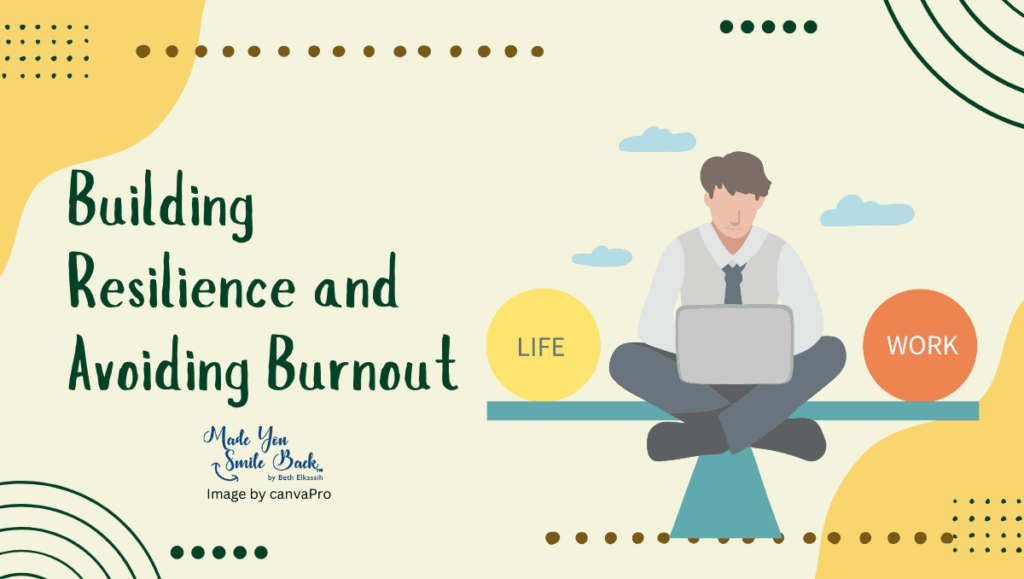
Building Resilience and Avoiding Burnout
Building resilience and avoiding burnout are key to long-term success. These skills help you manage stress, protect your mental health, and maintain a healthy work-life balance.
Balancing Work and Self-Care
To build resilience, make time for activities outside of work.
Set clear boundaries between your professional and personal life. This might mean turning off work notifications after hours.
Prioritize sleep, exercise, and a balanced diet to boost your physical and mental well-being.
These habits give you energy to tackle challenges.
Schedule regular breaks during your workday.
Use this time to relax, stretch, or take a short walk. Even brief pauses can refresh your mind and improve focus.
Engage in hobbies or activities you enjoy outside of work. This helps you recharge and maintain a sense of identity beyond your job.
Managing Stress and Protecting Mental Health
Identify your main sources of stress at work.
Look for ways to address or minimize these factors. This might involve talking to your supervisor or adjusting your workload.
Practice mindfulness or meditation to stay present and reduce anxiety. Even a few minutes a day can make a difference in your stress levels.
Build a support network at work and in your personal life.
Don’t hesitate to ask for help when you need it. Talking through problems can provide new perspectives and solutions.
Learn to recognize signs of burnout, such as constant fatigue or loss of motivation.
If you notice these symptoms, take action quickly to address them.
Develop a positive outlook at work.
Focus on your achievements and the aspects of your job you enjoy. This can boost your resilience and job satisfaction.

Save what you love, hover or tap the image and pin it now.
The Power of Positive Mindset and Attitude
Your mindset shapes your reality. A positive outlook can open doors and create opportunities you never thought possible.
It helps you bounce back from setbacks and stay focused on your goals.
Fostering Gratitude and Positivity
Start each day by listing three things you’re thankful for. This simple habit can shift your focus to the good in your life.
Positivity boosts your immune system and helps you handle stress better.
When you face challenges, try to find the silver lining. Ask yourself, “What can I learn from this?”
Practice positive self-talk.
Replace negative thoughts with encouraging ones. Instead of “I can’t do this,” say “I’m learning and improving.”
Surround yourself with upbeat people.
Their energy is contagious and can lift your spirits. Share your wins, no matter how small, with others.
Understanding the Law of Attraction
The Law of Attraction suggests that positive thoughts bring positive results.
While it’s not magic, your mindset can influence your actions and outcomes.
Visualize your goals as if you’ve already achieved them. This can boost your motivation and confidence. Write down your dreams and read them daily.
Focus on your strengths instead of dwelling on weaknesses.
This builds self-esteem and attracts opportunities that match your talents.
Be careful what you say.
Your words shape your thoughts and actions. Use positive language to describe yourself and your goals.
Breaking Free from Bad Habits
Identify habits that hold you back. These might include negative self-talk, procrastination, or unhealthy behaviors.
Awareness is the first step to change.
Replace bad habits with good ones. If you often skip breakfast, start your day with a healthy meal instead. This gives you energy and sets a positive tone.
Break big changes into small steps. Want to exercise more? Start with a 10-minute walk each day.
Small wins build momentum and confidence.
Be patient with yourself. Forming new habits takes time.
If you slip up, don’t give up. Learn from it and keep moving forward.
Get enough sleep and eat well. These basics support your mental health and make it easier to maintain a positive outlook.

Save what you love, hover or tap the image and pin it now.
Adopting Financial Habits of Successful People
Successful people often share common financial practices. These habits can help you build wealth and achieve your money goals.
Practicing Frugality and Thoughtful Spending
Frugality is a key trait of many wealthy individuals. You can start by tracking your expenses and cutting unnecessary costs.
Make your money work for you by prioritizing needs over wants.
Consider these frugal habits:
- Cook meals at home instead of eating out
- Buy generic brands for everyday items
- Use public transportation or carpool when possible
Thoughtful spending means evaluating purchases carefully. Ask yourself if an item is truly worth the cost before buying.
This habit helps you save money for more important goals.
The Importance of Investing and Financial Planning
Investing is crucial for building long-term wealth. Start by educating yourself about different investment options.
Consider low-cost index funds for steady, long-term growth.
Cultivate financial confidence by creating a solid financial plan.
Set clear goals for your future and map out steps to achieve them. This might include:
- Building an emergency fund
- Saving for retirement
- Planning for major life events
Remember to diversify your investments to manage risks.
Regular review and adjustment of your financial plan is important as your life circumstances change.

Save what you love, hover or tap the image and pin it now.
Top Six Daily Habits For Success
1. Start your day early.
Successful people often wake up before 6 AM. This gives you time to plan and tackle important tasks before distractions set in.
2. Set clear goals.
Write down what you want to achieve each day. This helps you stay focused and measure your progress.
3. Read regularly.
Spend at least 30 minutes reading about your field or personal development.
This keeps you informed and grows your knowledge.
4. Exercise daily.
Physical activity boosts your energy and mood. Even a short workout can improve your productivity and health.
5. Practice frugality.
Be mindful of your spending. Successful people often live below their means and invest wisely for the future.
6. Stay curious and keep learning.
Successful individuals always seek new knowledge and skills.
This habit helps you adapt to changes and find new opportunities.
Reflect on your day. Before bed, review what you’ve accomplished and plan for tomorrow.
This helps you stay on track and make improvements.

Save what you love, hover or tap the image and pin it now.
Frequently Asked Questions
Successful people follow key habits and routines that drive their achievements. These practices boost productivity, focus, and personal growth.
What daily routines are most effective for achieving success?
Effective daily routines for success include waking up early, exercising, and planning your day.
Many successful individuals start their mornings with meditation or journaling to set a positive tone.
Prioritizing important tasks and tackling them when your energy is highest can greatly improve productivity.
Breaking large projects into smaller, manageable steps also helps maintain momentum throughout the day.
Which habits do successful people consistently practice?
Successful people often practice habits like continuous learning, networking, and maintaining a healthy work-life balance.
They make time for reading, attending workshops, or taking courses to stay updated in their field.
Setting clear goals and regularly reviewing progress is another common habit.
Many successful individuals also prioritize self-care, including getting enough sleep and managing stress effectively.
How does establishing positive habits contribute to personal success?
Positive habits create a foundation for success by promoting consistency and discipline.
They help you make progress towards your goals even on days when motivation is low.
Good habits also free up mental energy by making beneficial actions automatic.
This allows you to focus on more complex tasks and creative problem-solving.
Can you list the top habits that are common among highly successful individuals?
Top habits of successful people include goal-setting, time management, and persistence.
They often practice effective communication skills and build strong professional relationships.
Many successful individuals also cultivate a growth mindset, embracing challenges as opportunities to learn and improve.
Regular reflection and self-assessment help them stay on track and adjust their strategies as needed.
What are some recommended habits to adopt for improving productivity and success?
To boost productivity and success, try adopting habits like single-tasking, using the Pomodoro Technique, and eliminating distractions.
Create a dedicated workspace and stick to a consistent schedule.
Practice saying no to non-essential commitments and delegate tasks when possible.
Regularly review and optimize your work processes to identify areas for improvement.
How do successful people integrate new habits into their daily lives?
Successful people often start small when adding new habits, focusing on one change at a time.
They link new habits to existing routines, making them easier to remember and follow through on.
Many use habit tracking tools or apps to monitor progress and stay accountable.
They also celebrate small wins along the way, which helps reinforce positive behaviors and maintain motivation.
Save what you love, hover or tap the image and pin it now.
In Conclusion – Final Last Words
You now have six powerful habits to boost your success. These habits can change your life when put into practice regularly.
Start small. Pick one habit to focus on this week. As you master it, add another.
Remember, success doesn’t happen overnight. It’s built day by day, habit by habit.
Stay committed to your goals. When you face setbacks, don’t give up. Use them as chances to learn and grow.
Keep track of your progress. Celebrate small wins along the way. This will keep you motivated.
Be patient with yourself. Forming new habits takes time. Stick with it, and you’ll see amazing results.