Spiritual Psychology – Understanding the Intersection of Mind and Spirit
🕒 Last Updated on June 12, 2025
Spiritual Psychology – Understanding the Intersection of Mind and Spirit
Spiritual psychology helps you understand yourself by exploring how your thoughts, feelings, and beliefs connect to your deeper sense of purpose. This approach blends traditional psychology with spiritual ideas, so you can grow not just mentally and emotionally, but also spiritually.
You don’t have to follow a certain religion to benefit. Spiritual psychology encourages you to look at your life in a new way, finding meaning and building resilience.
You might discover how your personal values and experiences shape your well-being, using both practical and spiritual tools.
If you’re curious about how you can blend self-reflection, mindfulness, and meaning into your personal growth journey, you’ll find powerful insights within spiritual psychology.
Learn how this field can help you handle life’s challenges and develop a healthier, more balanced outlook.

Save what you love, hover or tap the image and pin it now.
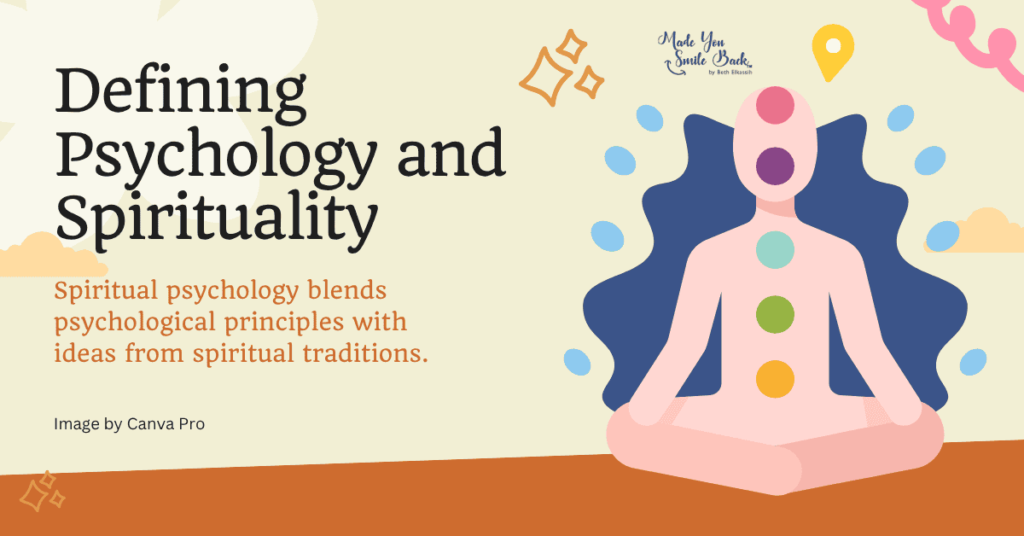
Defining Psychology and Spirituality
Spiritual psychology blends psychological principles with ideas from spiritual traditions. It helps you explore how your mind, beliefs, and a sense of a spiritual dimension work together.
Core Concepts and Key Principles
In spiritual psychology, you focus on more than just the mind. The goal is to recognize that you are not only a body and mind but also have a spiritual dimension.
This field looks at your consciousness—how aware you are of yourself and the world around you.
Get your Freebie


Key principles include:
- The belief that every person has a spiritual side.
- The importance of finding purpose and meaning in your life.
- Understanding your beliefs and values to support growth and healing.
Many approaches in spiritual psychology encourage you to reflect, practice mindfulness, and develop self-awareness.
Tools like meditation, journaling, and guided imagery are often used. The aim is to help you feel more whole and balanced by including spirituality along with normal psychological care.
These ideas are discussed in detail by Meridian University and on MantraCare.
Differences From Conventional Psychology
Spiritual psychology is different from conventional psychology because it includes the spiritual side of life. While traditional psychology focuses on thoughts, behavior, and emotions, spiritual psychology explores the deeper questions about your existence and purpose.
In regular therapy, sessions often center on solving problems or changing negative thinking. Spiritual psychology asks about your core beliefs, values, and the bigger picture.

It invites questions like, “What gives my life meaning?” or “How do my spiritual beliefs shape my choices?”
You may work with practices from different faith traditions or explore non-religious forms of spirituality. This approach sees healing as not just fixing problems but helping you connect to something greater.
What Spiritual explains how this broader view can unlock new ways of healing and growth.
Historical Development
The roots of spiritual psychology go back to ancient times. Many early philosophers, such as those from Eastern traditions and indigenous cultures, joined ideas about mind, spirit, and soul in their teaching.
Modern spiritual psychology started gaining attention in the 20th century. Psychologists like Carl Jung and the founders of transpersonal psychology suggested that spiritual experience is a valuable part of the human psyche.
This was a shift from the purely scientific approach of conventional psychology. Today, you can find spiritual psychology in books, therapy sessions, and academic settings.
It brings together insights from both modern research and old wisdom, shaping a field that keeps growing. Find a short overview of this history at True Awake.
Save what you love, hover or tap the image and pin it now.
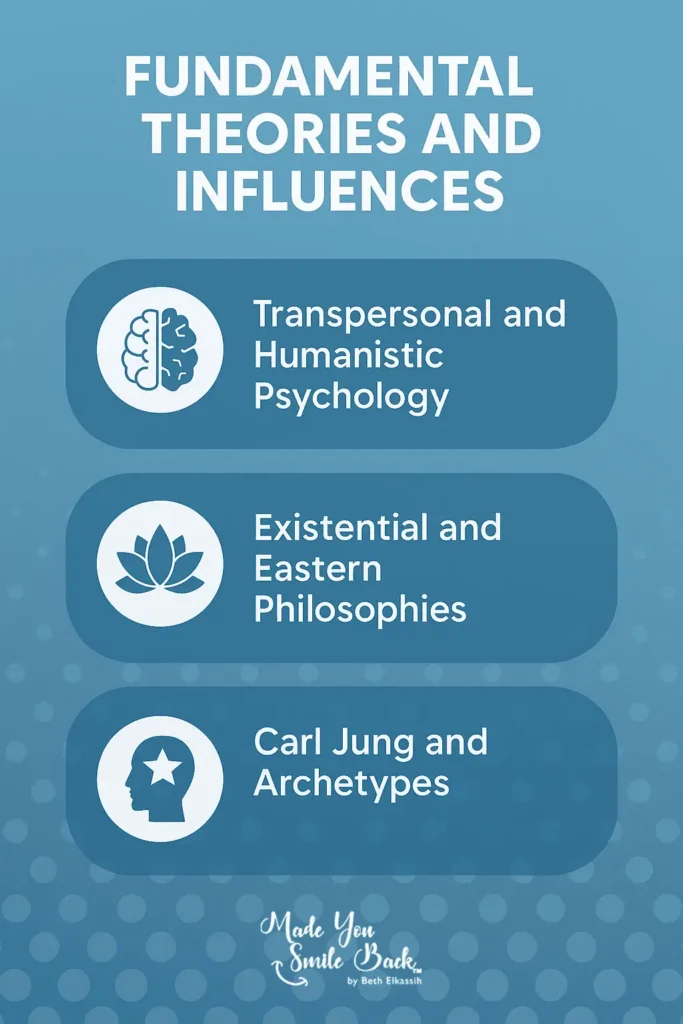
Fundamental Theories and Influences
Several psychological approaches study spiritual experiences, human growth, and the deeper aspects of mind and meaning. These theories focus on understanding your inner self, connections to others, and the broader universe.
Transpersonal and Humanistic Psychology
Transpersonal and humanistic psychology emphasize your unique potential and search for personal meaning. Humanistic psychology, influenced by thinkers like Abraham Maslow, highlights personal growth, self-actualization, and positive human values.
Maslow’s hierarchy of needs places self-actualization and transcendence at the top, where spiritual experiences become possible as basic needs are met. Transpersonal psychology extends these ideas, exploring how your experiences may go beyond the ordinary self.
It examines higher states of consciousness, peak experiences, and mystical states. Unlike strictly scientific approaches, transpersonal methods consider both psychological health and spiritual development as vital to your well-being.
This field encourages combining scientific knowledge with practices like meditation and mindfulness to support the whole person. For more details about the roots and development of these approaches, see the overview of spiritual and psychological practices integration.
Existential and Eastern Philosophies
Existential psychology focuses on life’s fundamental questions—such as meaning, freedom, and responsibility. It encourages you to confront anxiety, death, and the unknown, helping you build authenticity in a confusing world.
The approach values honest self-reflection and emphasizes living with purpose despite uncertainty. Eastern philosophies, like Buddhism and Hinduism, offer different but related views.
These traditions stress concepts like mindfulness, interconnectedness, and the importance of letting go of attachments. They help you understand suffering, practice compassion, and see yourself as connected to a larger whole.
Many therapists blend existential and Eastern practices, bringing meditation, self-awareness, and acceptance into therapy. Learn more about the broad impact of Eastern teachings and spirituality theories on your spiritual growth.
Carl Jung and Archetypes
Carl Jung played a major role in linking spirituality with psychology. He introduced the idea of the collective unconscious, which suggests you share certain inherited memories and symbols with all humans.
These deep elements are called archetypes and show up in dreams, myths, and stories across cultures. Jung believed that understanding these symbols helps you grow and heal.
Archetypes—like the Hero, Wise Old Man, or Shadow—reflect parts of your mind that shape your actions and feelings. By exploring these symbols, you gain insight into your true self.
Jung’s work also showed that spiritual growth and psychological health are connected. He believed personal transformation is possible when you integrate ignored or hidden parts of yourself.
For more on Jung’s ideas about spirituality and development, see the discussion of Jung’s theory of archetypes.
Save what you love, hover or tap the image and pin it now.
Core Practices and Techniques
Spiritual psychology uses practical techniques to support personal growth, healing, and self-discovery. Many of these include meditation, conscious breathing, guided imagery, building emotional strength, and developing awareness.
Meditation and Mindfulness
Meditation is a central spiritual practice in spiritual psychology. You may use different meditation practices, such as focused attention or open awareness, to help calm the mind and connect with your inner self.
Regular meditation can lower stress, sharpen focus, and increase self-awareness. Mindfulness, a core part of many meditation practices, trains you to tune in to the present moment.
Mindfulness exercises often include paying attention to your breath, bodily sensations, and thoughts without judgment. When practiced daily, mindfulness can help you better manage emotions and make more thoughtful choices.
For example, simple mindful breathing for five minutes daily is a way to start. Over time, this can improve emotional regulation, promote healing, and help develop a sense of inner peace.
Learn more about these topics on mindfulness, healing, and spiritual psychology.
Breathwork and Visualization
Breathwork is a set of techniques that use conscious breathing patterns to shift your mental and emotional state. Practices like deep belly breathing, alternate nostril breathing, or rhythmic inhaling and exhaling are common.
Breathwork can reduce anxiety, support relaxation, and increase physical and mental energy. Visualization is often used along with breathwork.
This technique uses your imagination to create calming images or positive scenarios in your mind. For example, you might picture yourself surrounded by light or reaching a personal goal.
Visualization can boost motivation, ease emotional pain, and encourage healing. You do not need special equipment to try these techniques.
A quiet place and a few minutes a day are enough to start. Together, breathwork and visualization form the backbone of many spiritual practices and healing practices.
Healing Through Awareness
Healing through awareness means learning to notice and accept your thoughts, emotions, and behaviors. By paying close attention, you can become more aware of patterns that cause pain or stress.
This awareness is the first step toward change and self-healing. You can use practices such as journaling, guided self-reflection, or talking with a counselor.
When you explore your inner world in a safe setting, you may release limiting beliefs and emotional wounds. Over time, this can lead to greater self-acceptance, confidence, and well-being.
This approach brings together both psychological and spiritual practice. It helps you see your life as a whole—connecting mind, body, and soul—so healing happens from the inside out.
Learn about approaches to healing and awareness in spiritual psychology.
Building Emotional Resilience
Emotional resilience is your ability to bounce back from challenges and cope with stress. In spiritual psychology, you build resilience by learning to process emotions in healthy ways and practicing compassion for yourself and others.
Techniques for building emotional resilience include daily gratitude lists, emotional check-ins, and learning calming skills like mindful breathing. You might also practice loving-kindness meditation, which helps develop empathy and reduce negative feelings.
Having strong emotional resilience supports healing and personal growth. It makes it easier to face difficult situations with strength and clarity.
Studies show that these practices can lower anxiety and help you adapt to change more easily, supporting your ongoing well-being. Read more about building emotional resilience with spiritual and psychological techniques.

Save what you love, hover or tap the image and pin it now.
Applications in Mental and Emotional Health
Spiritual psychology gives you ways to look at your mind and emotions as connected with your beliefs and values. By combining therapy with spiritual practices, you can address your whole self instead of focusing only on symptoms.
Therapy and Integrative Approaches
Therapists may use spiritual psychology by including meditation, prayer, or mindfulness along with talk therapy. These methods help you gain a sense of purpose and meaning, making it easier to handle emotional challenges.
Working with both your mind and spirit can make treatment more personal and effective. Many counselors focus on holistic approaches that see mental, emotional, and spiritual health as closely linked.
Sessions may include spiritual values, personal beliefs, or community practices if they are helpful to your healing. You can expect respect for your faith background, allowing you to feel seen as a whole person.
For people studying psychology and counseling, more programs now teach how to combine spirituality and traditional therapy. This gives future therapists extra skills for supporting emotional well-being in different ways.
Addressing Anxiety and Depression
For a lot of folks, spiritual psychology offers some extra tools for tackling anxiety and depression—stuff you won’t always find in regular treatments. Mindfulness and meditation, for instance, can really help calm your mind and keep you grounded in the present.
These practices are known to ease stress and support long-term mental health. You might also want to check out gratitude, forgiveness, or finding meaning in tough times.
Focusing on things like gratitude, along with therapy, can make you feel less isolated and a bit more hopeful about recovery. There’s research showing that spiritual practices can improve mental health and help you deal with trauma.
It matters that these methods are used with care, especially if you’re not religious. Therapists trained in this area will make sure spiritual techniques actually fit your needs and beliefs.
Trauma, Addiction, and Recovery
Spiritual psychology often finds its way into recovery plans for trauma and addiction. Techniques like reflection, group support, and making peace with the past can play a big role.
Many recovery programs include spiritual steps because they help you build hope and a fresh sense of self. For trauma, you might try guided imagery or mindfulness to process painful memories.
Spiritual practices can build your strength and help you face tough emotions without getting totally overwhelmed. In addiction recovery, support groups often use a spiritual foundation to keep you on track toward healthier choices and a stronger sense of purpose.
Spiritual counseling encourages you to stay connected to your inner values through the ups and downs. That connection can make a real difference.
Save what you love, hover or tap the image and pin it now.
Personal Growth and Transformation
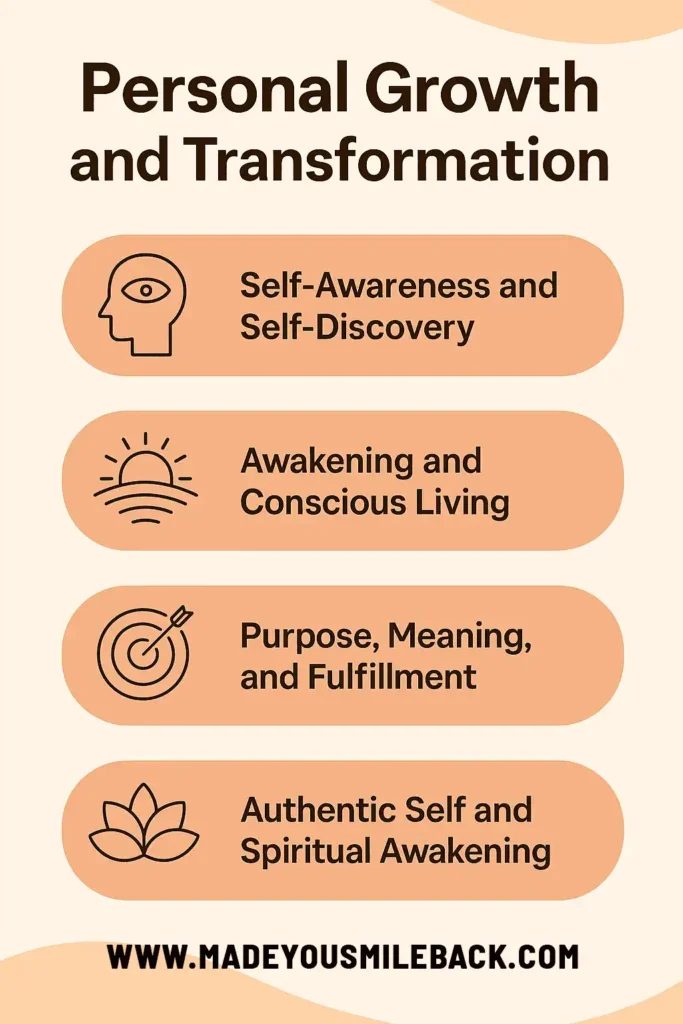
Spiritual psychology can help you develop self-awareness and find deeper meaning in your life. It’s about moving toward purpose, feeling more fulfilled, and exploring your true self—whatever that looks like for you.
Self-Awareness and Self-Discovery
Self-awareness is just noticing your thoughts, emotions, and behaviors—without instantly judging them. As you get better at this, you start to see what motivates you and how you react in different situations.
You can use self-discovery tools like journaling, meditation, or talking things over with a counselor to dig deeper. Reflecting on your beliefs and values leads to more honest self-understanding.
Developing self-awareness also helps you spot habits that might be holding you back. You get more control over how you respond to challenges. Learn more about self-discovery and tools for growth from this guide on spiritual psychology.
Awakening and Conscious Living
Awakening is about becoming more aware of your life and the world around you. It’s really just about paying attention to the present and being mindful in daily choices.
Practicing conscious living might mean simple things like mindful breathing, spending a little time in nature, or setting aside a few minutes to reflect each day. These habits help you tune in to your own needs and feelings.
Living consciously can bring a sense of calm and lower your stress. You start to notice what actually matters and feel a bit more in control of your choices. Mindful living is a building block for awakening and holistic well-being.
Purpose, Meaning, and Fulfillment
One big area of spiritual psychology is finding your life purpose and meaning. Purpose is what gets you out of bed and pushes you to keep going, even when things are rough.
You might explore your sense of purpose through reflection, setting goals, or helping others. This search can make life feel more meaningful, especially when things get tough.
When you know what fulfills you, you end up making better choices about work, relationships, and daily life. Feeling purposeful can boost your mental health and bring a little more happiness. Personal growth is often linked to a deep sense of purpose.
Authentic Self and Spiritual Awakening
Your authentic self is who you really are, deep down, without all the outside pressure or pretending. Spiritual awakening is discovering or realizing that deeper self.
Getting to know your authentic self can be tough, but it’s worth it. You might ask yourself, “What values matter most to me?” or “What do I actually care about?”
When you connect with your real self, you’re less swayed by others’ opinions and more comfortable making your own choices. This process often leads to a stronger sense of self-worth. Exploring your authentic self is a vital step in spiritual awakening and personal transformation.
Save what you love, hover or tap the image and pin it now.
Relationships, Interconnectedness, and Well-Being
Interconnectedness in daily life shapes how you relate to others and yourself. Improving your awareness of these connections can bring more peace, well-being, and resilience—both mentally and physically.
Interpersonal Relationships and Compassion
Your relationships get stronger when you focus on compassion and real understanding. Spiritual psychology nudges you to see others as unique and wise, and to offer genuine support.
This mindset helps you build trust and deeper connections. Practicing compassion creates a foundation for more peaceful and joyful experiences in your community.
Being patient, honest, and empathetic makes conversations more open. These habits often lead to better relationships, less loneliness, and fewer conflicts.
By paying attention to both your words and actions, you help others feel valued. That sense of freedom and safety makes it easier for everyone to grow and share new ideas.
Compassion shapes not only your bonds but also your personal sense of peace and creativity. It’s not always easy, but it’s worth the effort.
Collective Awareness and Shared Experience
When you realize your thoughts and actions affect everyone around you, you start to build collective awareness. This idea sits at the heart of spiritual beliefs that see all people—and sometimes all living things—as connected.
You might join group activities, spiritual gatherings, or creative projects that help you feel part of something bigger. These experiences can make you feel more joyful and peaceful.
Shared rituals or mindfulness practices keep groups united. This shared experience builds resilience when facing stress or hardship. Not only are you part of a community, but you help create it by showing up as your real self.
Physical Health and Resilience
Your physical health is tied closely to your mental and spiritual well-being. Regular habits like exercise, meditation, and mindful breathing can boost your resilience against illness and stress. These healthy habits keep your body strong and your mind clearer.
Research suggests people who believe in a purpose beyond themselves often feel more energetic and hopeful. You might notice your body feels more relaxed and your mind lighter when your actions line up with your values and spiritual awareness.
Taking care of your body isn’t separate from spiritual growth—it actually supports it. A healthy lifestyle, good relationships, and collective awareness help you meet challenges with wisdom and peace. For more on this, check out the integration of body, mind, spirit, and soul.
Save what you love, hover or tap the image and pin it now.
Frequently Asked Questions
Spiritual psychology connects mental health practices with spiritual ideas. There’s unique coursework, job paths, and plenty of reading in this field.
How does spiritual psychology integrate with traditional psychotherapy?
Spiritual psychology combines regular psychological tools like talk therapy with spiritual practices—think meditation or reflection. You might work with therapists who discuss both mental and spiritual sides to help you heal and grow.
This approach bridges gaps between standard therapy and spiritual wellness by looking at the whole person, not just the symptoms.
What types of careers are available to graduates with a spiritual psychology degree?
With a background in spiritual psychology, you could end up as a counselor, life coach, or group facilitator. Some folks work in education or wellness centers, or even start their own practice.
Others go into research, writing, or building programs for spiritual growth. There’s a fair bit of variety, honestly.
What are the typical coursework and areas of study in a spiritual psychology program?
You might study transpersonal psychology, mindfulness, meditation, and counseling skills. Programs often include personal growth, ethics, spiritual traditions, and consciousness studies.
Courses can also cover communication and practical skills for working with clients. For more, check out Meridian University’s program overview.
Which foundational texts are considered essential reading for students of spiritual psychology?
Some key books: “The Road Less Traveled” by M. Scott Peck and “A New Earth” by Eckhart Tolle. You’ll also find works by Carl Jung or books on mindfulness and transpersonal psychology recommended a lot.
Programs often suggest classic psychology and spiritual development books as well. There’s no single “must-read,” but those are a solid start.
How do practitioners of spiritual psychology typically define its purpose and scope?
The purpose of spiritual psychology is to help you find meaning and personal growth by connecting inner self-awareness with outer life challenges. Practitioners aim to address both emotional hardships and spiritual questions.
It’s a path for healing and understanding the mind-spirit relationship, as explored in this guide to inner healing and growth.
In what ways can spiritual psychology contribute to personal development and well-being?
You might notice greater emotional balance, self-acceptance, and resilience by using spiritual psychology tools. Mindfulness, meditation, and self-reflection all support personal healing.
This field shows how spiritual beliefs can have a real impact on your mental wellness, as discussed in this overview on spiritualism in psychology.
Save what you love, hover or tap the image and pin it now.
In Conclusion – Final Last Words
Spiritual psychology explores how your mind connects to the spiritual side of life.
It blends ideas from both psychology and spirituality to support healing and growth.
You might hear it called transpersonal psychology in some universities.
Both terms point to the same thing: how your thoughts, emotions, and spiritual experiences all mix together.
This approach sees you as a whole person—mind, body, and spirit.
People often turn to spiritual psychology for answers when life gets tough. Sometimes, it’s just about wanting to understand yourself on a deeper level.