How to Stay Motivated in February: Beating the Winter Blues
🕒 Last Updated on January 31, 2025
How to Stay Motivated in February: Beating the Winter Blues
February can be tough. Short days and cold weather often lead to low energy and mood. You’re not alone if you feel less motivated during this time.
The good news is there are ways to beat the winter blues and stay on track with your goals.
You can boost your mood and motivation by getting outside, staying active, and connecting with others. Small changes to your daily habits can make a big difference in how you feel.
Don’t let the winter months hold you back. With some simple strategies, you can overcome the February slump and keep moving forward.
The tips in this article will help you stay motivated and productive, no matter what the weather is like outside.

Save what you love, hover or tap the image and pin it now.
Understanding Seasonal Affective Disorder
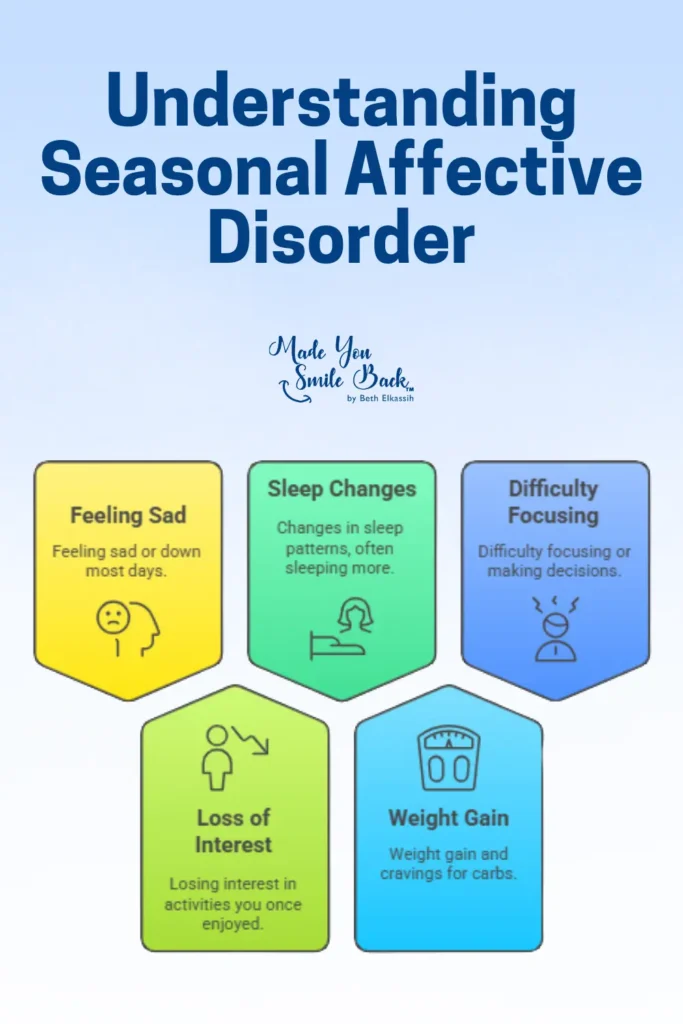
Seasonal Affective Disorder (SAD) is a type of depression that follows a seasonal pattern. It often starts in fall and lasts through winter. SAD can affect your mood, energy, and daily life.
Symptoms of SAD
SAD symptoms can be hard to spot at first. You might feel tired and moody.
Your energy levels may drop, making it tough to do everyday tasks.
Get your Freebie


Common signs include:
- Feeling sad or down most days
- Losing interest in activities you once enjoyed
- Changes in sleep patterns (often sleeping more)
- Weight gain and cravings for carbs
- Difficulty focusing or making decisions
These symptoms often start mild and get worse as winter goes on. You might find it harder to get out of bed or finish work on time.
Causes of Seasonal Depression
The exact cause of SAD isn’t known, but several factors play a role. Less sunlight in winter can disrupt your body’s internal clock. This may lead to feelings of depression.
Other possible causes include:
- Low serotonin levels: Less sunlight may cause a drop in this mood-regulating chemical.
- Melatonin imbalance: Your sleep-wake cycle might get disrupted.
- Vitamin D deficiency: Less sun exposure can lead to low vitamin D, affecting mood.
Your risk may be higher if you live far from the equator or have a family history of depression. Women and young adults are also more likely to experience SAD.


Save what you love, hover or tap the image and pin it now.
The Role of Light in Beating February Blues
Light plays a key part in lifting mood during the dark winter months. Getting enough light can help reset your body’s clock and boost energy levels.
Benefits of Natural Sunlight
Natural sunlight is a powerful mood lifter. When you spend time outdoors during daylight hours, your body makes vitamin D. This vitamin helps fight off the winter blues. Sunlight also helps set your circadian rhythm, which controls your sleep-wake cycle.
Try to get outside for at least 30 minutes a day, even on cloudy days.
Take a walk during your lunch break or sit by a sunny window. The brighter light outdoors can be up to 100 times stronger than indoor lighting.
Sunlight also boosts serotonin, a brain chemical that improves mood. Higher serotonin levels can make you feel happier and more alert.
Using Light Therapy for Mood Boost
When natural sunlight is scarce, light therapy can help. A light therapy box mimics outdoor light and can ease symptoms of seasonal affective disorder.
To use light therapy:
- Sit near a light box for 20-30 minutes each morning
- Keep the box about 16-24 inches from your face
- Use it within an hour of waking up
- Be consistent daily for best results
Light therapy works by suppressing the sleep hormone melatonin and increasing serotonin. This can improve your mood, energy, and sleep quality.
Many people notice benefits within a few days to 2 weeks.
Talk to your doctor before starting light therapy, especially if you have eye problems or take light-sensitive medications.
Save what you love, hover or tap the image and pin it now.
Physical Activity and Mental Well-Being
Regular exercise and mindfulness practices can significantly improve your mental health during the winter months. These activities boost mood-enhancing chemicals in your brain and help you feel more energized.
Exercise to Combat Fatigue
Physical activity is a powerful tool to fight winter fatigue. When you exercise, your body releases endorphins and serotonin, which boost your mood. Even a short 10-minute walk can make a difference.
Try to exercise outdoors when possible.
Sunlight exposure helps regulate your sleep-wake cycle and increases vitamin D production. This can improve your energy levels and overall well-being.
If outdoor activities aren’t an option, indoor exercises like jumping jacks, squats, or dancing to your favorite music can be just as effective.
Aim for at least 30 minutes of moderate activity most days of the week.
Remember to stay hydrated and warm up properly before exercising, especially in cold weather.
The Importance of Yoga and Meditation
Yoga and meditation are excellent practices to improve your mental health during winter. These activities help reduce stress, anxiety, and symptoms of depression.
Yoga combines physical postures with breathing exercises, promoting relaxation and flexibility.
Start with simple poses like child’s pose, cat-cow stretch, or downward-facing dog. Hold each pose for 5-10 breaths.
Meditation helps calm your mind and increase self-awareness.
Begin with short 5-minute sessions, focusing on your breath or a calming phrase. Gradually increase the duration as you become more comfortable.
Both practices can be done at home with minimal equipment. Use online resources or apps for guided sessions if you’re new to yoga or meditation.

Save what you love, hover or tap the image and pin it now.
Nutrition and Emotional Health
What you eat can impact your mood and energy levels. A balanced diet and comforting foods can help beat the winter blues.
Eating a Balanced Diet
A balanced diet is key to maintaining emotional health in winter. Focus on fruits, vegetables, whole grains, and lean proteins. These foods provide essential nutrients that support brain function and mood regulation.
Aim to eat colorful fruits and vegetables daily.
They contain vitamins and antioxidants that boost your immune system and energy levels.
Don’t forget about vitamin D.
Your body makes less of it in winter due to reduced sunlight. Good food sources include:
- Fatty fish (salmon, tuna)
- Egg yolks
- Fortified milk and cereals
Consider taking a vitamin D supplement if you can’t get enough from food alone. Talk to your doctor about the right dosage for you.
The Effects of Warm Comfort Foods
Warm comfort foods can lift your spirits on cold winter days. They trigger positive memories and feelings of coziness.
Some healthy comfort food options include:
- Hearty vegetable soup
- Oatmeal with cinnamon and fruit
- Baked sweet potato with a sprinkle of nuts
These foods provide warmth and nutrition without excess calories. They can help satisfy cravings for heavier foods often associated with winter.
Enjoy comfort foods in moderation. Balance them with lighter meals to maintain a healthy diet. This approach can help you feel satisfied and emotionally balanced throughout the winter months.

Save what you love, hover or tap the image and pin it now.
Cultivating a Supportive Environment
Creating a positive environment can boost your mood and motivation during the cold winter months. It’s important to focus on social connections and engage in activities you enjoy.
Importance of Social Connection
Staying connected with others is key to beating the winter blues.
You can set up regular video calls with friends and family to maintain relationships. Join local clubs or groups that match your interests. This gives you chances to meet new people and share experiences.
Try to plan at least one social activity each week.
This could be a coffee date, game night, or group workout class. Having things to look forward to can lift your spirits.
Don’t forget about your work relationships.
Chat with coworkers during breaks or suggest team-building activities. A supportive work environment can make a big difference in your daily mood.
Engaging in Hobbies and Creativity
Hobbies and creative pursuits can be great mood boosters. They give you a sense of accomplishment and joy. Try to set aside time each day for activities you enjoy.
Here are some ideas to spark your creativity:
- Start a craft project like knitting or painting
- Learn a new skill through online courses
- Write in a journal or start a blog
- Try cooking new recipes
Getting outside for fresh air and nature can also inspire creativity.
Take short walks to clear your mind and find new ideas. Even a few minutes outdoors can improve your mood.
Consider joining a hobby group or class.
This combines social connection with creative activities. You’ll meet like-minded people and have regular motivation to engage in your interests.
Save what you love, hover or tap the image and pin it now.
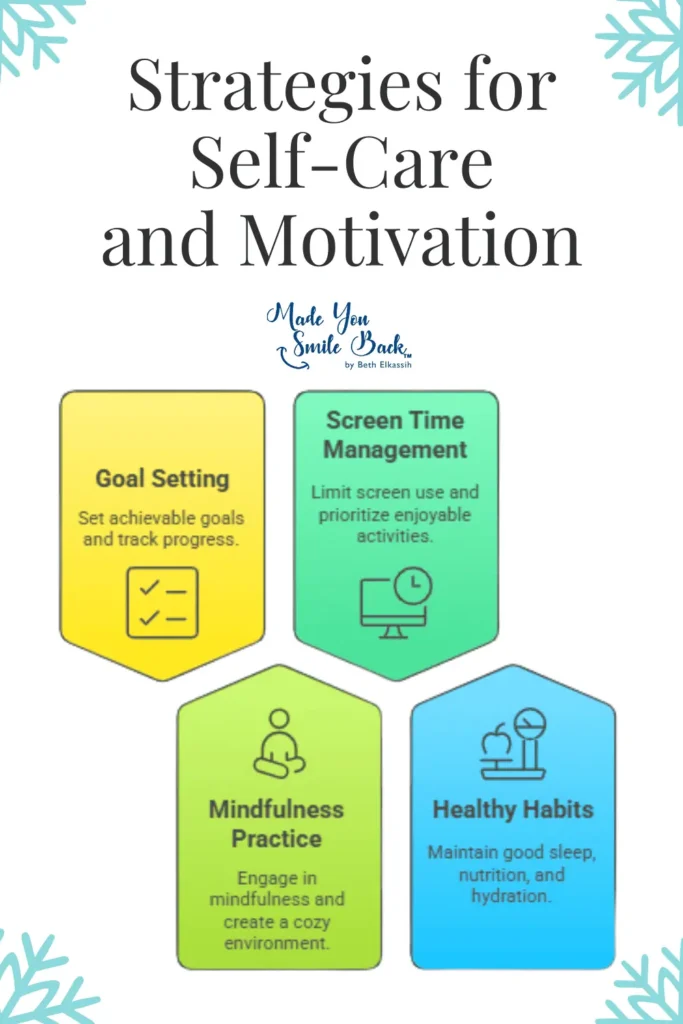
Strategies for Self-Care and Motivation
Taking care of yourself and staying motivated can help beat the winter blues. Simple steps can make a big difference in how you feel and what you get done each day.
Setting Realistic Goals
Set small, doable goals for yourself. Break big tasks into smaller parts. This makes them less scary and easier to finish.
Make a to-do list each day or week.
Check off items as you complete them. This gives you a sense of progress.
Don’t try to do too much at once.
Pick one or two main things to focus on each day.
Reward yourself when you meet your goals.
Treat yourself to something you enjoy, like a hot bath or your favorite snack.
The Practice of Mindfulness and ‘Hygge’
Mindfulness means paying attention to the present moment. It can help you feel calmer and more focused.
Try deep breathing for a few minutes each day.
Focus on how your breath feels going in and out.
Hygge is a Danish word for feeling cozy and content.
Create a comfy space at home with soft blankets and warm lighting.
Light some candles or use essential oils to make your home smell nice. This can help you relax and feel good.
Reducing Screen Time and Prioritizing Self-Care
Too much screen time can make you feel down.
Set limits on how long you use your phone or watch TV each day.
Try reading a book, doing a puzzle, or talking with friends instead of using screens.
Make time for things that make you feel good.
This could be taking a walk, listening to music, or doing a hobby you enjoy.
Get enough sleep each night.
A good sleep routine can help you feel better during the day.
Eat healthy foods and drink plenty of water.
Your body and mind will thank you.

Save what you love, hover or tap the image and pin it now.
Frequently Asked Questions
Winter blues can be tough, but there are many ways to boost your mood and stay active. Here are some key strategies to help you stay motivated and energized during the cold months.
What are effective strategies for overcoming seasonal affective disorder during winter months?
Light therapy can help combat seasonal affective disorder.
Use a light therapy box for 20-30 minutes each morning.
Get outside during daylight hours, even on cloudy days.
Natural light exposure can improve your mood and energy levels.
What activities can help maintain high spirits and motivation through the cold season?
Try winter sports like skiing, ice skating, or snowshoeing.
These activities get you moving and help you enjoy the season.
Start an indoor hobby like painting, cooking, or learning a musical instrument.
Creative activities can boost your mood and give you something to look forward to.
How does one maintain a consistent exercise routine in February to combat the winter blues?
Set realistic fitness goals for the winter months.
Focus on consistency rather than intensity.
Try home workouts using bodyweight exercises or online fitness videos.
This removes barriers like cold weather or gym travel time.
What are some diet tips to help elevate mood and energy levels during the winter?
Eat foods rich in vitamin D, like fatty fish, egg yolks, and fortified dairy products.
Vitamin D can help improve mood during dark winter months.
Include complex carbohydrates in your meals.
Foods like whole grains and sweet potatoes can boost serotonin levels and improve your mood.
How can creating a daily routine help in fighting feelings of depression in the winter?
Stick to a regular sleep schedule.
Go to bed and wake up at the same time each day to regulate your body’s natural rhythms.
Plan enjoyable activities throughout your day.
Having things to look forward to can help combat feelings of depression.
What are the best ways to stay socially active in the winter to help beat the blues?
Join a winter sports club or fitness class.
This combines social interaction with physical activity.
Host indoor gatherings like game nights or potluck dinners.
Connecting with friends can boost your mood and provide support during tough times.
Save what you love, hover or tap the image and pin it now.
In Conclusion – Final Last Words
In summary, this blog showed you how you can beat the winter blues with simple steps. You learned:
- Get outside and soak up natural light when possible. This helps boost your mood and energy.
- Stay active. Exercise regularly, even if it’s just a short walk. Physical activity releases feel-good chemicals in your brain.
- Create a cozy home environment. Use warm lighting, comfortable blankets, and soothing scents to make your space more inviting.
- Connect with others. Reach out to friends and family. Social interactions can lift your spirits and provide support.
- Try new hobbies or revisit old ones. Engaging in enjoyable activities can boost your mood and give you something to look forward to.
- Stick to a routine. Consistency can help you feel more in control and motivated. Set small, achievable goals each day.
Remember, it’s normal to feel down sometimes. Stay motivated and beat the winter blues by being kind to yourself and celebrate small wins.