Flower Therapy: Transform Your Life Through the Ancient Art of Floral Healing
🕒 Last Updated on January 23, 2026
Flower therapy has emerged as one of the most enchanting and effective approaches to holistic wellness in our modern world. This therapeutic practice harnesses the natural healing properties of flowers to promote emotional balance, mental clarity, and physical well-being through their colors, fragrances, and energetic essences.
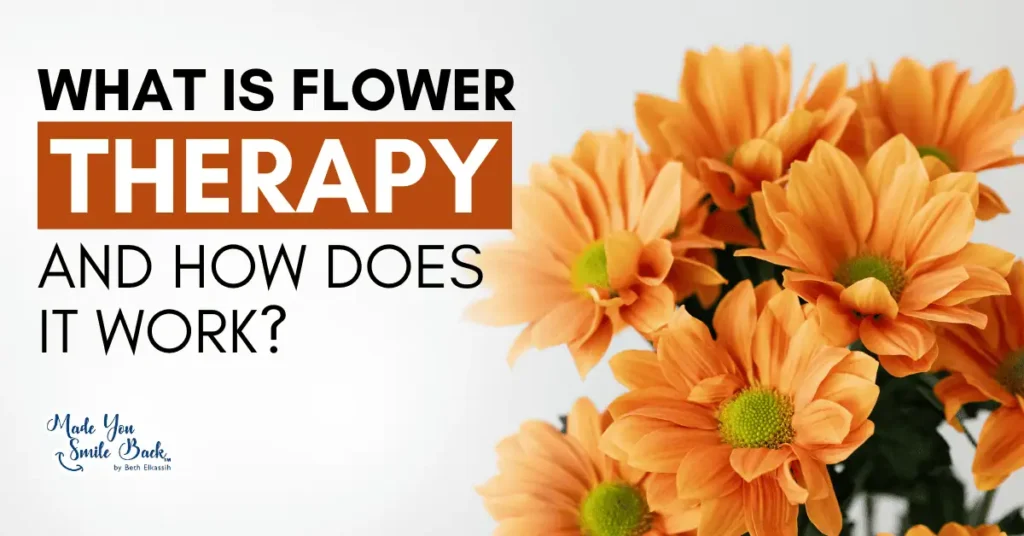
What Is Flower Therapy and How Does It Work?

Save what you love, hover or tap the image and pin it now.
Flower therapy is a holistic healing modality that uses flowers and their essences to address emotional, psychological, and physical imbalances in the body. This natural approach combines elements of aromatherapy, color therapy, and energy medicine to create profound shifts in well-being.
The practice works on multiple levels simultaneously. When we interact with flowers—whether through their scent, visual beauty, or energetic properties—our nervous system responds by releasing beneficial neurochemicals that promote relaxation and healing.
Dr. Edward Bach pioneered modern flower therapy in the 1930s when he developed his famous Bach Flower Remedies. His research demonstrated that flower essences could address negative emotional states and restore psychological balance without any harmful side effects.
Today’s flower therapy encompasses various techniques including floral arrangements for emotional healing, essential oil applications, flower essence remedies, and therapeutic gardening practices. Each method offers unique benefits while working synergistically to support overall health and vitality.
Key Benefits of Flower Therapy
- Reduces stress and anxiety naturally
- Improves mood and emotional resilience
- Enhances mental clarity and focus
- Supports better sleep quality
- Boosts immune system function
- Promotes spiritual growth and self-awareness
The Science Behind Flower Therapy’s Healing Powers
Save what you love, hover or tap the image and pin it now.
Research has revealed fascinating insights into how flower therapy creates measurable physiological changes in the human body. Studies using brain imaging technology show that exposure to floral scents activates the limbic system, which governs emotions, memories, and stress responses.
The visual impact of flowers also triggers biological responses. Seeing vibrant blooms increases dopamine and serotonin production, the same neurotransmitters targeted by many pharmaceutical antidepressants.
One groundbreaking study at Rutgers University found that flowers have an immediate positive effect on happiness and long-term positive effects on mood. Participants who received flowers showed authentic smiles more frequently and reported feeling less depressed, anxious, and agitated.
Japanese researchers discovered that inhaling rose fragrance significantly decreased cortisol levels and induced physiological relaxation. This provides scientific validation for what practitioners of flower therapy have known intuitively for centuries.
Get your Freebie


Scientific Studies Supporting Flower Therapy
- Harvard Medical School research: Flowers in the home environment reduce stress and negative moods
- Texas A&M University findings: Flowers enhance creative problem-solving and compassionate feelings
- University of North Florida study: Indoor plants and flowers improve concentration and productivity by 15%
Different Types of Flower Therapy Techniques
Save what you love, hover or tap the image and pin it now.
Flower therapy encompasses several distinct approaches, each offering unique pathways to healing and wellness. Understanding these various modalities allows you to choose the methods that resonate most deeply with your personal needs.
Bach Flower Remedies remain the most widely recognized form of flower therapy worldwide. This system uses 38 different flower essences to address specific emotional states such as fear, uncertainty, loneliness, and despair.
Aromatherapy with floral essential oils provides another powerful avenue for therapeutic benefits. Oils extracted from roses, lavender, jasmine, and chamomile offer concentrated healing properties that can be diffused, applied topically, or added to bathwater.
Popular Flower Therapy Methods
- Flower essence remedies: Vibrational medicine taken orally or applied to pulse points
- Floral aromatherapy: Essential oils used in diffusers, massage oils, or personal inhalers
- Color therapy with flowers: Strategic placement of specific colored blooms for energetic healing
- Ikebana (Japanese flower arranging): Meditative practice that calms the mind while creating beauty
- Therapeutic gardening: Hands-on cultivation of flowers for stress relief and connection with nature
- Floral meditation: Contemplative practices focused on observing and absorbing flower energy
How to Start Your Flower Therapy Practice at Home
Save what you love, hover or tap the image and pin it now.
Beginning your flower therapy journey requires no special equipment or extensive training—just an open heart and willingness to connect with nature’s healing gifts. Start simply by bringing fresh flowers into your living space and observing how their presence affects your mood and energy.
Create a dedicated space in your home for flower therapy practice. This might be a corner of your bedroom, a spot on your kitchen counter, or even a small outdoor garden area where you can regularly interact with blooms.
Select flowers based on your current emotional needs rather than just aesthetic preferences. If you’re feeling anxious, choose calming lavender or chamomile; for sadness, opt for uplifting sunflowers or cheerful daisies.

Step-by-Step Flower Therapy Routine
- Morning ritual: Spend five minutes observing your flowers while practicing deep breathing
- Midday refresh: Inhale the scent of lavender or rose essential oil during stressful moments
- Evening wind-down: Take a bath with flower petals or floral essential oils before bed
- Weekly practice: Change your flower arrangements and journal about your emotional state
- Monthly intention: Set healing goals and choose flowers that support those intentions
Best Flowers for Specific Emotional and Physical Conditions
Save what you love, hover or tap the image and pin it now.
Different flowers possess distinct therapeutic properties that address particular health concerns and emotional challenges. Learning which blooms serve specific healing purposes empowers you to create targeted flower therapy protocols.
Roses stand as the supreme flower for matters of the heart, offering support for grief, heartbreak, and emotional trauma. Rose essence helps open the heart chakra while rose essential oil reduces anxiety and promotes self-love.
Lavender ranks among the most versatile therapeutic flowers, renowned for its ability to calm the nervous system and promote restful sleep. This purple powerhouse also relieves headaches, reduces inflammation, and supports skin healing.
Therapeutic Flowers and Their Uses
For Anxiety and Stress:
- Chamomile: Soothes nervous tension and racing thoughts
- Lavender: Induces deep relaxation and mental peace
- Passionflower: Quiets the mind and eases restlessness
For Depression and Low Mood:
- Sunflower: Radiates joy and optimism
- St. John’s Wort: Lifts spirits and brightens outlook
- Borage: Brings courage and emotional strength
For Sleep Disorders:
- Jasmine: Promotes deep, restorative sleep
- Valerian: Relieves insomnia and sleep disturbances
- Poppy: Encourages peaceful dreaming
For Focus and Mental Clarity:
- Rosemary: Enhances memory and concentration
- Basil: Sharpens mental acuity
- Gotu Kola: Supports cognitive function
For Physical Pain and Inflammation:
- Calendula: Reduces inflammation and promotes healing
- Arnica: Relieves muscle soreness and bruising
- Yarrow: Supports wound healing and pain relief
Combining Flower Therapy with Other Wellness Practices
Save what you love, hover or tap the image and pin it now.
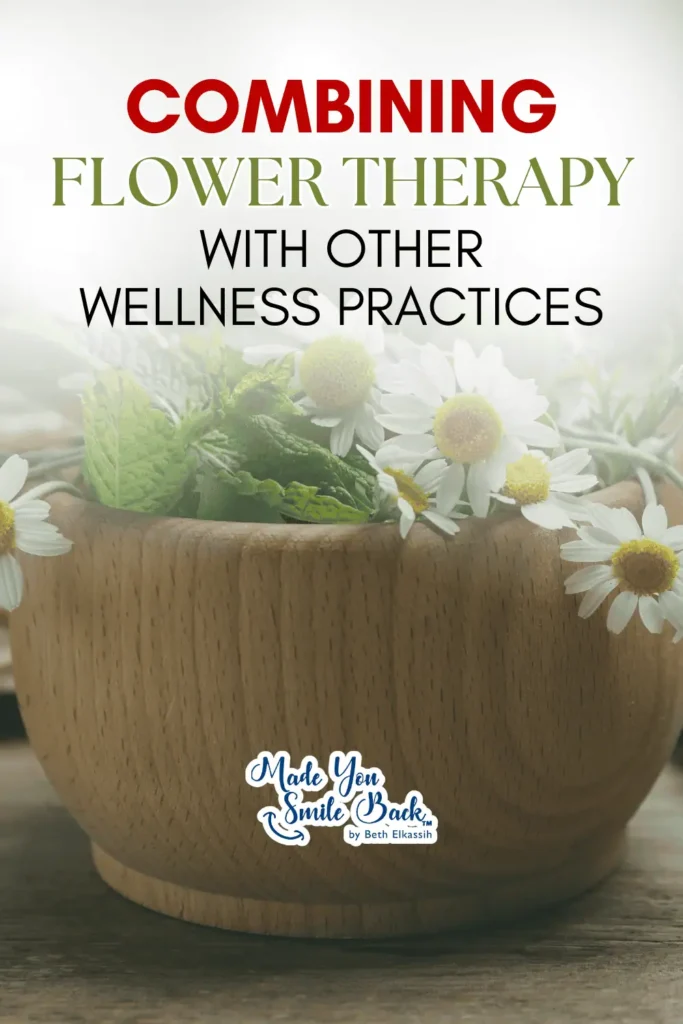
Flower therapy’s true power multiplies when integrated with complementary healing modalities. This synergistic approach creates a comprehensive wellness routine that addresses body, mind, and spirit simultaneously.
Meditation becomes profoundly deeper when practiced in the presence of flowers or while focusing on floral imagery. The natural beauty and gentle energy of blooms help quiet mental chatter and facilitate entry into meditative states.
Yoga practitioners can enhance their practice by incorporating flower essences before sessions or surrounding their yoga space with therapeutic blooms. The combination supports both physical flexibility and emotional release.
Wellness Combinations with Flower Therapy
- Flower therapy + Meditation: Place fresh flowers on your meditation altar or visualize healing blooms during practice
- Flower therapy + Yoga: Use floral essential oils before practice and create flower mandalas for intention-setting
- Flower therapy + Journaling: Write reflections while surrounded by flowers to access deeper emotional insights
- Flower therapy + Crystal healing: Pair specific flowers with corresponding crystals for amplified energetic healing
- Flower therapy + Sound healing: Combine flower essences with singing bowls or healing music
- Flower therapy + Massage: Incorporate floral oils into massage therapy for enhanced relaxation
Creating Flower Essence Remedies and Preparations

Save what you love, hover or tap the image and pin it now.
Making your own flower essence remedies connects you intimately with the healing process and allows customization for your specific needs. This ancient practice requires only simple materials: fresh flowers, pure water, sunlight, and preserving alcohol.
The traditional sun method involves floating freshly picked flowers in a bowl of spring water and allowing them to infuse in direct sunlight for several hours. The flower’s energetic imprint transfers into the water, creating a potent healing essence.
Once prepared, flower essences can be preserved in brandy or vegetable glycerin and stored in amber glass bottles. A typical dosage involves placing four drops under the tongue four times daily, though this can be adjusted based on individual needs.
Flower Essence Preparation Guide
Materials Needed:
- Clean glass bowl
- Fresh spring or filtered water
- Freshly picked flowers (organic, pesticide-free)
- Amber glass bottles
- Brandy or glycerin as preservative
- Labels for identification
Step-by-Step Process:
- Harvest: Pick flowers at peak bloom on a sunny morning after dew has evaporated
- Prepare: Fill bowl with water and float flowers on surface without touching them with hands
- Infuse: Place bowl in direct sunlight for 3-4 hours, allowing energetic transfer
- Strain: Remove flowers carefully and pour essence into clean bottle
- Preserve: Mix 50% flower essence water with 50% brandy or glycerin
- Store: Keep in cool, dark place; essences remain potent for years when properly preserved
Flower Therapy for Children and Sensitive Individuals
Save what you love, hover or tap the image and pin it now.
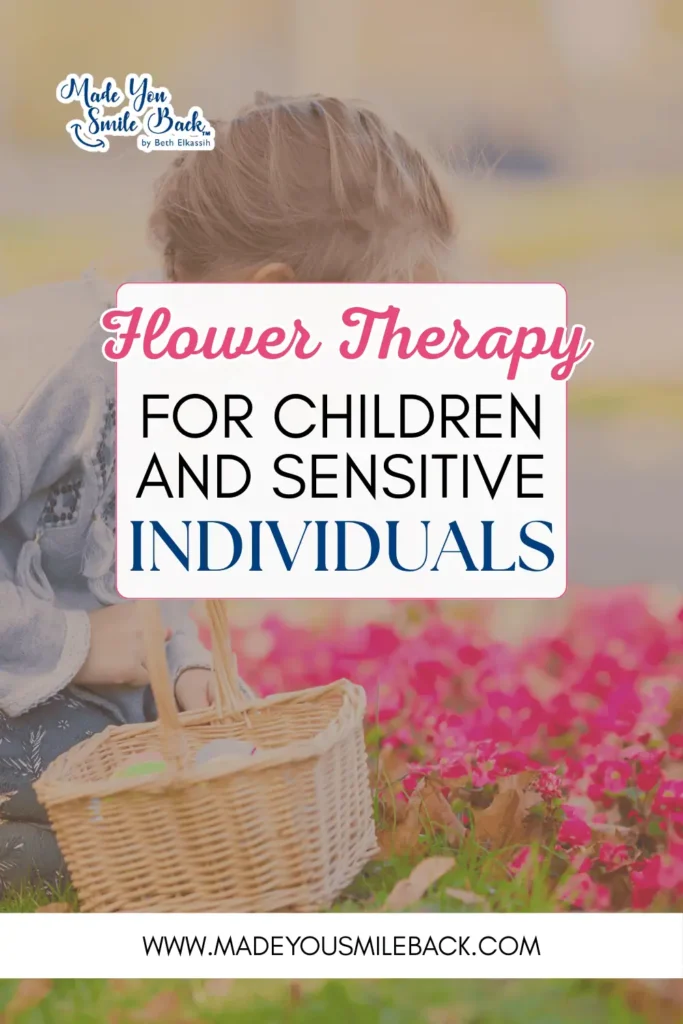
Flower therapy offers exceptional benefits for children, who naturally respond to the gentle, non-invasive nature of floral healing. Young people often show remarkable improvements in behavioral challenges, sleep issues, and emotional regulation when flower essences are incorporated into their daily routine.
Sensitive individuals—including those with chemical sensitivities or empathic tendencies—find flower therapy particularly valuable. Unlike pharmaceutical interventions, flower remedies have no side effects and work purely on an energetic level.
Bach Flower Remedies like Rescue Remedy have become staples in many pediatrician-approved wellness toolkits. Parents report significant improvements in children’s anxiety, hyperactivity, and emotional outbursts after just weeks of consistent use.
Safe Flower Therapy Applications for Children
- Diluted flower essences: Add 2-3 drops to water bottle or juice throughout the day
- Flower-scented room sprays: Create calming bedroom environments with gentle floral mists
- Garden therapy: Involve children in planting and caring for therapeutic flowers
- Flower art projects: Use petals and blooms in creative activities for emotional expression
- Bedtime flower rituals: Place lavender sachets under pillows or use chamomile tea before sleep
Special Considerations:
- Always choose organic, pesticide-free flowers for children’s remedies
- Start with single-flower essences before trying combinations
- Observe reactions carefully and adjust dosages as needed
- Consult with healthcare providers for serious emotional or behavioral concerns
- Make flower therapy fun and engaging rather than medicinal
In Conclusion – Final Last Words
Flower therapy represents a return to nature’s original medicine cabinet, offering healing that honors both ancient wisdom and modern scientific understanding. This accessible, affordable, and profoundly effective approach to wellness empowers individuals to take charge of their health using the natural world’s most beautiful creations.
The journey into flower therapy begins with a single stem and an open heart.
Whether you start with Bach Flower Remedies from your local health store, plant a therapeutic garden, or simply bring fresh blooms into your home, you’re tapping into healing traditions that span millennia across cultures worldwide.
The flowers are waiting to share their gifts with you. In our increasingly disconnected, technology-dominated world, flower therapy offers a bridge back to the natural rhythms and healing intelligence of the earth itself.
Trust the process, follow your intuition about which flowers call to you, and allow these remarkable botanical allies to guide you toward greater balance, joy, and wholeness. The healing power of flowers has sustained humanity throughout history—now it’s your turn to bloom.