

Higher Self Understanding and Connecting
🕒 Last Updated on May 14, 2025
Higher Self-Understanding and Connecting
Your higher self is the wise and positive part of you that helps guide your thoughts, choices, and actions. A lot of people describe it as a deeper awareness or a more peaceful, understanding side inside. It’s tied to your best qualities—kindness, honesty, patience. It’s that voice that nudges you toward what’s right, even if it’s not always the easiest option.
Learning about your higher self can open up a better understanding of who you are. When you connect with it, handling problems, relating to others, and seeing the world shifts a little. Some folks think of the higher self as a kind of pure consciousness or awareness that you reach by tuning out distractions and listening to what’s really going on inside.
By exploring what the higher self means and how to connect with it, you might find tools for more peace, clarity, and purpose in your day-to-day. For many, it’s a calm, supportive presence that quietly guides you toward better decisions and a more honest life.

Save what you love, hover or tap the image and pin it now.
Understanding the Higher Self
Your higher self is often described as your wisest aspect, guiding you with deeper insight and a sense of calm. Understanding how this differs from the ego or the true self can really help you grow and make clearer decisions.
Defining the Higher Self
The higher self is the part of you that holds qualities like kindness, patience, and a clear understanding. It’s almost like an inner guide with a broader view, letting you see beyond daily worries.
Many believe the higher self is always connected to a deeper sense of purpose and intuition. Unlike your usual thoughts, which can be reactive, your higher self stays steady and supportive.
You can think of it as a source of guidance and wisdom, nudging you to make choices that line up with your core values. It’s not about ignoring problems, but about facing them with a bit more calm and insight.
Distinctions Between Higher Self and Ego
The ego is all about personal identity, fears, and desires. It tends to focus on your needs, safety, or pride. Sometimes, it pushes you to compare, judge, or protect yourself, which can create conflict or anxiety.
Get your Freebie


Your higher self, on the other hand, is more calm and steady. It helps you step back from emotions and see things more clearly. Where the ego might react quickly, the higher self pauses and responds with a bit more wisdom.
Spotting the difference between ego and higher self is a big deal. It gives you a moment to pause before reacting, so you can choose kindness or honesty instead of just following old habits. If you’re curious, here’s a comparison between ego and higher self.
Higher Self Versus True Self
The true self is about your real feelings and desires, not shaped by outside pressure. It’s who you are at your core—your interests, tastes, and values.
Your higher self is a bit different—it’s more about guidance and those universal qualities like compassion and integrity. It helps your true self shine by supporting choices that fit your nature.
The higher self points the way, while the true self brings in the unique details that make you, well, you. They work together, helping you make choices that feel right and authentic.
The Role of Consciousness in Self-Realization
Consciousness is just being aware of your thoughts, feelings, and actions in the moment. This awareness helps you notice when your ego is in charge, or when your higher self is quietly guiding things.

You can grow your consciousness with reflection, mindfulness, or meditation. It gets easier to spot the difference between emotional reactions and deeper insight the more you practice.
When you’re more conscious, you notice patterns and beliefs that might hold you back. You also catch those moments when your higher self offers insight and clarity. This kind of awareness is pretty crucial for growth and self-realization.

Save what you love, hover or tap the image and pin it now.
Spiritual Connection and Unity
Digging into spirituality can help you see how people are linked—to each other, and to the world. Practices like meditation or self-reflection can bring more unity, peace, and awareness into your everyday life.
Interconnectedness and Spirituality
When people talk about living spiritually, they often mention feeling connected to something bigger. This could be other people, nature, or even the universe itself. Many spiritual paths teach that we all share a common bond, sometimes called universal unity.
Noticing these connections can help you feel less alone and more supported. For instance, if you pay attention to your thoughts and feelings through meditation, you might start to sense how your actions ripple out to others. That’s a big part of spirituality and higher consciousness—realizing you’re part of a larger whole.
Some people use prayer, time in nature, or quiet reflection to tune into these links. All these steps build a sense of purpose and belonging. Each small connection adds to a deeper awareness of the unity that so many spiritual traditions talk about.
Unity and Oneness
Oneness is at the heart of a lot of spiritual teachings. In some traditions, it’s called experiencing the “Tao,” or just feeling at one with the world and everyone in it. Oneness means seeing that everything is connected, even if those links aren’t always obvious.
It’s not just a feeling—oneness often leads to kinder choices and more compassion. When you really experience unity, you can step outside your daily worries and notice what you share with others.
This belief in unity can spark kindness, forgiveness, and less judgment. A lot of people say that when they feel spiritual unity, they also feel calm and a sense of belonging. Experiencing spiritual oneness can really shift how you look at yourself and the world.
The Spiritual Path to the Higher Self
The spiritual path is the journey you take to discover your higher self. That might mean self-reflection, meditation, prayer, or learning from spiritual teachings. The higher self is often described as your purest awareness or inner wisdom.
You might start on this path because you want more meaning or peace. Each step helps you see the world with a clearer mind. Techniques like meditation or mindfulness help you let go of negative thoughts and uncover your deeper values.
Learning to connect with your higher self can lead to insights and a new sense of purpose. By tuning in, you often find a greater connection to others and the world around you. This deeper connection brings a lot of people closer to unity and spiritual fulfillment, as described in teachings about connecting to your higher self.

Save what you love, hover or tap the image and pin it now.
Awareness, Mindfulness, and Insight
Awareness lets you notice your thoughts and feelings. Mindfulness is about focusing on the present without judging what comes up. When you mix self-awareness and mindfulness, you start to recognize your intuition and grow your inner wisdom.
Developing Self-Awareness
Self-awareness is all about understanding your own thoughts, feelings, and actions. It’s the cornerstone for personal growth and emotional health.
When you’re aware of yourself, you can spot habits and beliefs that shape your choices. You might notice patterns, like how you react under stress or how certain situations make you feel.
Keeping a journal can help you track these patterns. Honest reflection builds your ability to see your strengths and weaknesses.
Self-awareness also helps you make better decisions. You start to figure out what triggers certain emotions or behaviors. This understanding is key to making positive changes and building more self-control. If you want some practical strategies, check out these self-awareness practices.
The Practice of Mindfulness
Mindfulness is about paying attention to what’s happening right now. You learn to observe your thoughts and feelings without labeling them as good or bad. This practice can seriously reduce stress and bring a sense of calm.
One easy way to start is by focusing on your breath or noticing sensations in your body. If your mind wanders, just gently bring your focus back. It’s normal to get distracted, honestly.
Mindfulness also helps you notice little things in your daily routine. With practice, you can break the cycle of automatic reactions. You start to respond thoughtfully instead of just reacting on autopilot.
Cultivating Insight and Intuition
Insight is that deeper understanding you get from reflecting on your experiences. It shows you the links between your thoughts, actions, and what actually happens. With practice, you can learn from past mistakes and avoid doing the same thing again.
Intuition is that gut feeling that guides you, especially when you don’t have all the facts. Developing intuition takes time and grows as you build self-awareness and mindfulness.
Listening to your intuition and searching for insight can steer you toward wiser choices. Meditation and quiet reflection are useful for connecting with your deeper wisdom. If you want to try this out, guided meditations can help you connect with your inner self and sharpen your insight.
Save what you love, hover or tap the image and pin it now.
Meditation and Transcendence
Meditation gives you practical steps to connect with your higher self and find some calm away from daily worries. Simple techniques and a bit of steady practice can help you notice moments of stillness, clarity, or even a little bliss.
Meditation Techniques
Finding the right meditation style is personal—it depends on what feels easiest and most helpful for you. Popular options are breath awareness, guided meditations, and just sitting in silence.
Focusing on your breath is a classic—it draws your attention away from racing thoughts. Guided meditations offer audio instructions, sometimes designed specifically for connecting to your higher self. These sessions gently walk you through relaxing, focusing, and maybe visualizing a peaceful place.
Mantra meditations are another good option, especially for beginners. If you’re just starting, try 5–10 minutes a day. Sit comfortably, close your eyes if you want, and let your attention settle on each inhale and exhale.
Over time, your mind might get quieter, and you’ll feel less distracted by everyday problems. For more detail on how to get started, check out this discussion about how to meditate to meet your higher self.
Transcending Daily Consciousness
Transcendence in meditation means moving beyond your usual thoughts and reaching a higher state of awareness. As you meditate, your busy mind starts to settle, and you let go of stress and repetitive thoughts.
You might notice a sense of distance from emotional ups and downs, which brings more peace and clarity. This process helps you connect with your higher consciousness—the part of you that feels wise and calm.
You may find yourself just being aware, without reacting right away to every thought. With steady practice, you’ll start to experience silent moments that create space between you and your usual habits.
Some people call this “pure consciousness.” It might feel like a gentle pause or a clear focus that isn’t tied to your usual roles or emotions. Words like “clear,” “centered,” or “awake” come up a lot when people talk about this state. Practicing regularly is key if you want to spend more time in this higher awareness.
Experiencing Bliss Through Stillness
When you practice meditation, moments of deep stillness can show up. This stillness isn’t just about quiet—many people notice a sense of calm, contentment, or a subtle happiness.
Sometimes, these moments are called bliss. They often arrive when your mind isn’t tangled up in busy thoughts and you’re just here, now.
You really don’t have to force bliss. Set up a cozy spot, turn off distractions, and see what unfolds. The mind eventually learns to rest, and you might sense a lightness or warmth that’s different from your usual moods.
For some, this experience is a powerful reminder of the peace and clarity that higher consciousness can bring. If you’re curious, check out posts about transcending meditation or try guided practices to help you feel this stillness.
Save what you love, hover or tap the image and pin it now.
Guidance, Action, and Destiny
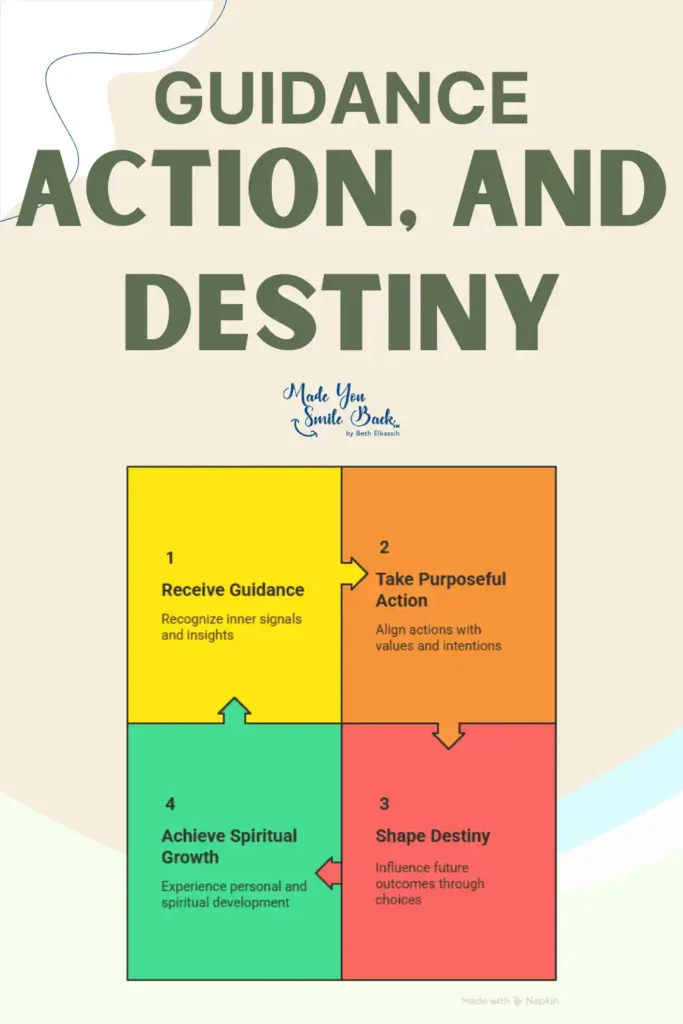
Connecting with your higher self is about direction, making clearer decisions, and noticing how your choices shape your future. This process can help you use your power with purpose and grow spiritually in ways that actually matter to you.
Receiving Guidance from the Higher Self
Your higher self gives guidance through thoughts, feelings, and quiet moments. It often sends you signals when you slow down and pay attention.
These might show up as gut feelings, flashes of insight, or surprising clarity when things get stressful. Trusting these little nudges is a first step toward understanding your purpose.
Some people notice this guidance during meditation or prayer. Others feel it when they’re up against hard choices or life changes.
Learning how to spot this inner voice takes practice. You might try journaling, sitting in silence, or just noticing patterns in your life. If you want more ideas, read about how to tune into your higher self. The main thing? Trust yourself and stick with it.
Purposeful Action and Power
Acting with purpose means listening to your higher self and making choices that feel true to your values. This gives you a sense of control and personal power that’s hard to fake.
You’re not just reacting to life. You’re choosing what matters most, and that’s a big difference.
Key ways to strengthen purposeful action:
- Set clear intentions.
- Make decisions when you feel calm and centered.
- Pause before responding to challenges.
- Practice small acts of kindness or honesty.
Purposeful action helps you trust your own judgment. Over time, you feel stronger and more in charge of your path.
Shaping Destiny and Spiritual Growth
Your small actions and intentions shape your destiny every day. When you follow your higher self’s guidance and try to act wisely, you give yourself a better shot at a brighter future.
Every decision adds up. Some choices shape your relationships, health, and strengths. Others open doors you didn’t even know were there.
If you want more ideas on how to align your actions for deeper growth, there’s a detailed guide on aligning with your higher self.
Save what you love, hover or tap the image and pin it now.
Integrating the Higher Self into Daily Life
Living with guidance from your higher self can help you stay steady during rough times. It keeps you focused on values like kindness, strength, and the way your thoughts shape your actions.
Overcoming Anxiety and Doubt
When you align with your higher self, you start to notice some space between emotions and knee-jerk reactions. You can pause, spot anxious thoughts, and answer them with calm instead of fear.
One simple way to practice this is to take mindful breaks during the day. Close your eyes, breathe deep, and notice any tension in your body.
This little technique can lower anxiety and help you watch doubt without letting it run the show. You might also keep a journal to track what triggers negative thoughts.
Reflect on those moments and remind yourself—thoughts aren’t always facts. By becoming more aware, you build habits of self-reflection and start to feel a bit more at peace.
Choosing Kindness and Compassion
Practicing kindness and compassion is a pretty direct way to connect with your higher self. You can do this by listening fully, helping others without expecting anything, or just speaking to yourself kindly.
Everyday actions count. Smiling at someone, letting others go first, or checking in on a friend—these little things matter.
Ways to practice kindness each day:
- Say thank you often
- Offer a helping hand
- Forgive yourself and others
- Volunteer or give small gifts
Making compassion a habit helps you build warmer relationships and understand your own feelings better. It supports a more peaceful life and a closer connection to your higher self.
Strength in Everyday Challenges
Life brings both small and big challenges, no doubt. Tapping into your higher self helps you face these moments with more confidence and less stress.
Try setting aside a few minutes each morning to remind yourself of your strengths. Maybe think about past wins or focus on what you do well.
When things get tough, step back and look for the bigger picture. Ask, “Is there a lesson here?” or “How would my best self handle this?”
Over time, this approach helps you handle setbacks in a steadier way. Strengthening your mindset with these habits makes it easier to make thoughtful choices, chase your goals, and handle problems as they come up.
The Relationship Between Mind and Matter
Thoughts and beliefs shape how you feel and act, every single day. If you tell yourself you’re strong or peaceful, you’re more likely to spot those qualities in what you do.
Mind and matter are linked by your attention and intention. You can try simple rituals, like setting a daily goal or repeating a positive affirmation.
Spending time in nature helps you notice this connection, too. As you walk or sit outside, pay attention to how your thoughts shift and how your body feels.
This awareness reminds you that your inner life influences your habits and choices, guiding you to live more in line with your values. For more on connecting with your higher self through daily practices, check out this guide.
Save what you love, hover or tap the image and pin it now.
Frequently Asked Questions
Learning about your higher self can help you understand your thoughts, choices, and what gives your life meaning. Everyday actions, beliefs, and spiritual ideas can all shift with this awareness.
How can I differentiate between my higher self and my ego?
Your higher self usually encourages calm, thoughtful responses. It nudges you toward long-term growth and inner peace.
Your ego, though, tends to react fast and can be a bit defensive or self-centered. The ego wants to win or be right, while the higher self comes from a place of wisdom and compassion.
What are the indicators that my higher self is guiding me?
You might feel clear or calm when your higher self is leading. Decisions just feel right, deep down, even when they’re tough.
You may also notice a sense of connection to others and less worry about what they think. When guided by your higher self, you’re more open to growth and change.
In what ways does the higher self manifest in everyday life?
The higher self can show up as intuition or a “gut feeling.” It might inspire you to act kindly or choose what’s true, not just what’s easy.
For some, it sparks creative ideas or unexpected solutions. In daily life, it helps you make choices that feel deeply right, not just convenient.
How does understanding the higher self impact an individual’s spirituality?
Understanding your higher self can deepen your sense of purpose and connection. You may feel more peaceful or present during meditation or prayer.
Some people find that spiritual questions get a bit less confusing as they start to trust their inner guidance. This process can lead to more honest self-reflection.
What practical steps can one take to align with their higher self?
You can spend time in meditation to quiet your mind and notice what you’re really feeling. Journaling helps you spot patterns driven by ego, so you can make more conscious choices.
Practicing gratitude, mindfulness, and self-reflection makes it easier to catch those messages from your higher self. A lot of people find it helpful to ask thoughtful questions during quiet time, like the ones suggested in these questions for your higher self.
Is there a distinction between the soul and the higher self in philosophical or spiritual terms?
Some spiritual teachers say the soul is your deepest essence, beyond change or time. The higher self is sometimes seen as a part of the soul that actually communicates with your everyday mind.
Philosophies differ, but usually the higher self is described as a guiding voice or inner wisdom, while the soul is the core of your being.
Save what you love, hover or tap the image and pin it now.
In Conclusion – Final Last Words
Your higher self is often described as the best and truest part of you. It’s that inner guide, the voice that nudges you toward good decisions.
You might notice this part of yourself more during quiet moments. Maybe when you’re reflecting, meditating, or just spending time alone.
Those moments seem to help you spot your real thoughts and feelings. It’s like tuning in to a frequency that’s always been there.
Getting to know your higher self isn’t about being perfect. It’s more about being honest and a little more aware each day.


