Mental Health Matters: Celebrating October Mental Health Awareness Month
🕒 Last Updated on January 23, 2026
You live in a world that often measures success by how much you do, not how well you feel. It’s easy to focus on physical health while ignoring the thoughts and emotions that shape your daily life. Mental health matters because it affects how you think, act, and connect with others—impacting every part of your well-being.
When you take care of your mental health, you build resilience, make clearer decisions, and strengthen your relationships. You also improve your physical health, since stress, anxiety, and depression can influence sleep, energy, and immunity.
This article explores why mental health matters, what it really means, and how you can recognize challenges before they grow. You’ll also learn how mental and physical health connect, what barriers exist in care, and practical ways to find support and balance.
Why Mental Health Matters

Save what you love, hover or tap the image and pin it now.
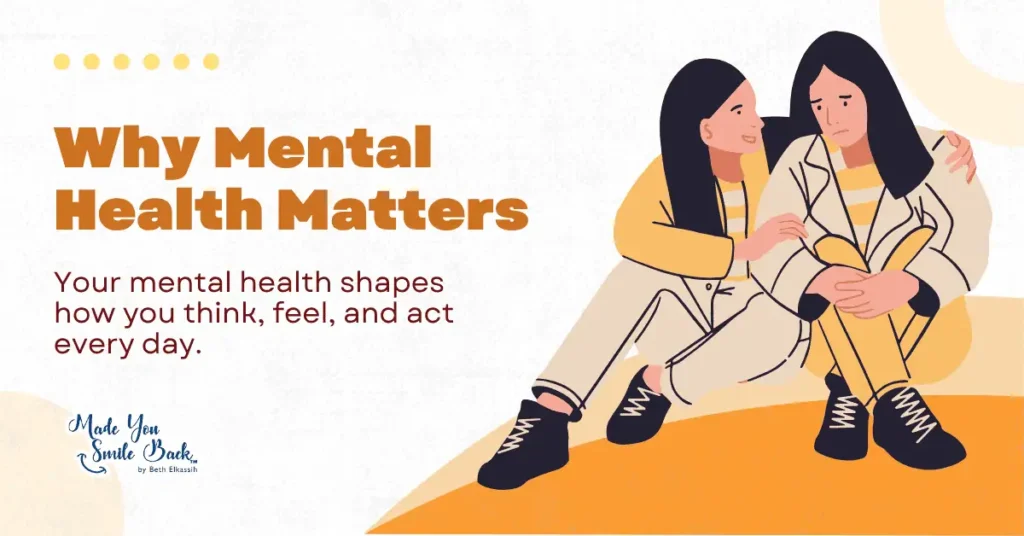
Your mental health shapes how you think, feel, and act every day. It influences your ability to handle stress, build relationships, and make choices that support your physical and social well-being. When you take care of your mind, you strengthen every part of your life—from your daily habits to your role in the community.
Impact on Daily Life
Mental health affects how you manage emotions, focus on tasks, and interact with others. When your emotional well-being is strong, you can adapt to challenges and recover from stress more easily. Poor mental health, however, can make it harder to concentrate, sleep, or stay motivated.
You might notice changes in your mood, energy, or behavior when your mental health declines. These signs can interfere with school, work, or relationships. Even routine decisions can feel overwhelming.
Simple habits can help maintain balance. Examples include getting enough sleep, staying active, and talking about your feelings with trusted people. Paying attention to your mental state early can prevent more serious mental illness and improve your quality of life.
Connection to Overall Well-Being
Mental health is closely tied to your physical health. Stress, anxiety, and depression can affect your immune system, heart health, and sleep patterns. Likewise, physical illness or chronic pain can worsen your mood and increase emotional distress.
Strong mental health supports healthy choices and behaviors. You are more likely to eat well, exercise, and avoid harmful habits when you feel emotionally balanced. Your body and mind work together—taking care of one supports the other.
Get your Freebie


| Aspect | Mental Health Effect | Physical Result |
|---|---|---|
| Stress | Increases tension and fatigue | Raises blood pressure |
| Depression | Reduces motivation | Lowers immune response |
| Positive mood | Encourages activity | Improves heart health |
Maintaining both mental and physical health helps you feel stable and capable in daily life.
Societal Importance
Mental health matters not only for you but also for your community. When people have access to mental health care, communities become safer, more productive, and more supportive. Untreated mental illness can lead to lost work time, strained relationships, and higher healthcare costs.
Supporting mental health services reduces stigma and encourages people to seek help early. Schools, workplaces, and local programs can promote awareness and provide resources for those in need.
A society that values mental health builds stronger social connections and greater empathy. When you understand and care for your mental well-being, you contribute to a healthier and more resilient community.
Defining Mental Health
Save what you love, hover or tap the image and pin it now.
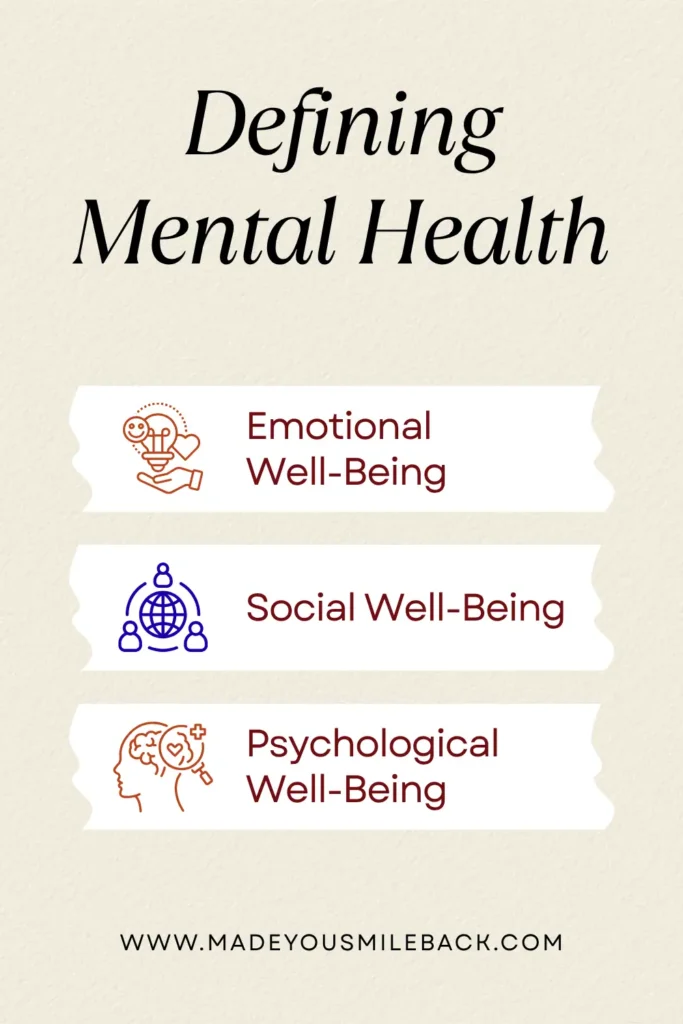
Mental health includes how you think, feel, and act in daily life. It shapes your ability to handle stress, maintain relationships, and make sound decisions. It involves emotional balance, social connection, and psychological stability that support your overall well-being.
Emotional Well-Being
Your emotional well-being reflects how you manage feelings and respond to life’s challenges. It helps you recognize emotions like happiness, sadness, anger, or fear without being controlled by them.

You build emotional health by practicing self-awareness, expressing emotions appropriately, and developing coping skills. Activities such as journaling, mindfulness, and regular exercise can improve this balance.
According to the World Health Organization (WHO), good mental health allows you to cope with normal stresses and work productively. Emotional well-being supports this by helping you recover from setbacks and maintain a stable mood.
A few signs of healthy emotional well-being include:
- Recognizing and naming emotions clearly
- Adapting to change without losing motivation
- Seeking help when emotions feel overwhelming
Social Well-Being
Social well-being focuses on your relationships and sense of belonging. It affects how you connect with others, communicate, and contribute to your community.
Strong social support can protect you from the effects of stress and reduce the risk of mental illness. Positive relationships provide comfort, guidance, and a sense of purpose.
You strengthen social well-being by maintaining trust, respect, and open communication in your interactions. Participating in group activities, volunteering, or spending time with supportive people can improve your connection to others.
| Key Aspect | Example of Positive Practice |
|---|---|
| Communication | Listening actively and expressing thoughts clearly |
| Connection | Spending time with friends or family |
| Contribution | Taking part in community or team activities |
Psychological Well-Being
Psychological well-being involves how you think, make decisions, and view yourself. It includes self-acceptance, a sense of purpose, and the ability to manage thoughts effectively.
When you maintain psychological health, you can focus, solve problems, and stay resilient under pressure. It helps you see challenges as manageable rather than overwhelming.
You promote psychological well-being by setting realistic goals, reflecting on personal values, and practicing gratitude. Seeking professional help when needed is also a sign of strength, not weakness.
According to the WHO, mental health is not only the absence of mental illness but also the presence of positive functioning. Psychological well-being supports this balance by helping you live with clarity, confidence, and stability.
Common Mental Health Challenges
Save what you love, hover or tap the image and pin it now.
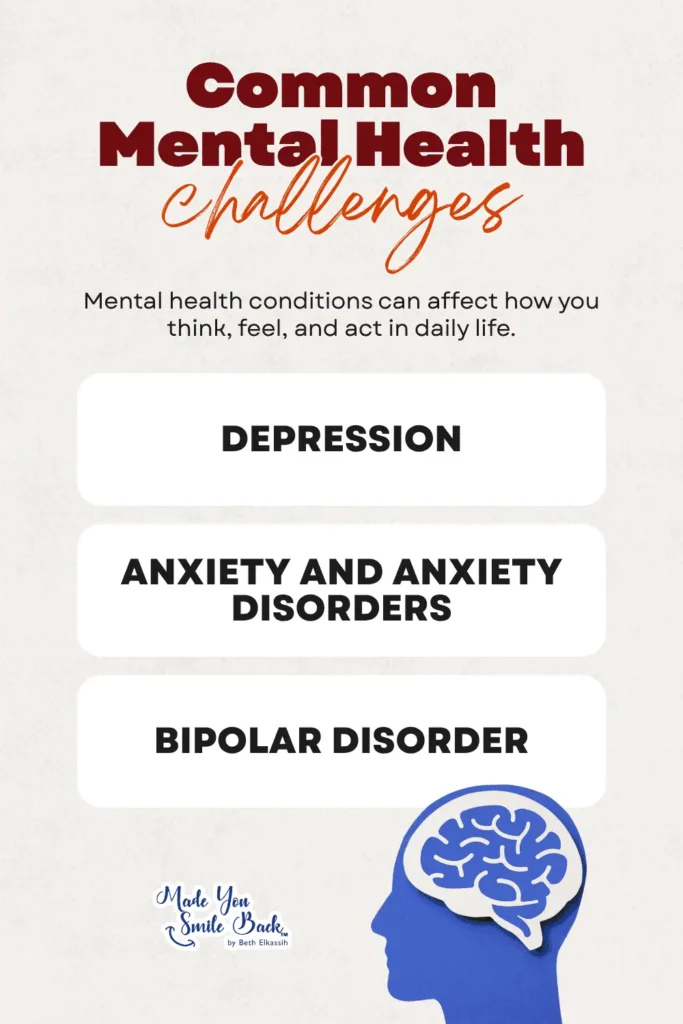
Mental health conditions can affect how you think, feel, and act in daily life. They often influence relationships, work, and physical health, but effective treatment and support can help you manage symptoms and improve well-being.
Depression
Depression causes persistent sadness, loss of interest, and low energy that can interfere with your daily activities. You may struggle to concentrate, sleep, or find motivation for things you once enjoyed.
Common symptoms include:
- Persistent low mood lasting weeks or months
- Changes in appetite or sleep
- Feelings of worthlessness or guilt
- Thoughts of death or suicide
Depression can result from genetic, biological, or environmental factors. Stress, trauma, or major life changes often play a role.
Treatment usually combines therapy, medication, and lifestyle changes such as exercise and social support. Early intervention helps reduce the risk of severe episodes and suicide. If you ever experience suicidal thoughts, seek help immediately from a trusted person or professional.
Anxiety and Anxiety Disorders
Anxiety becomes a disorder when fear or worry is constant and disrupts daily life. You might feel restless, tense, or experience physical symptoms like a racing heart or sweating.
Common types include:
| Type | Main Feature | Example Symptom |
|---|---|---|
| Generalized Anxiety Disorder | Ongoing worry about many areas of life | Trouble relaxing |
| Panic Disorder | Sudden panic attacks | Shortness of breath |
| Social Anxiety Disorder | Fear of social situations | Avoiding public speaking |
Anxiety disorders often develop from a mix of genetics and stress. Therapy, especially cognitive behavioral therapy (CBT), helps you identify and manage negative thought patterns. Medication may also be used when symptoms are severe.
Learning relaxation techniques, such as deep breathing or mindfulness, can reduce physical tension and help you regain control during stressful moments.
Bipolar Disorder
Bipolar disorder causes mood swings between depressive and manic episodes. During depression, you may feel hopeless or fatigued. During mania, you might feel unusually energetic, talkative, or impulsive.
Episodes can last days to weeks and affect relationships, work, and safety. In severe cases, mania can lead to risky behavior, while depression may increase the risk of suicide.
Treatment focuses on mood stabilizers, therapy, and consistent sleep and routine. Tracking your mood helps you notice early warning signs and seek help before symptoms worsen.
With proper care and support, you can manage bipolar disorder and maintain stability in your daily life.
The Link Between Mental and Physical Health
Save what you love, hover or tap the image and pin it now.
Your mental and physical health affect each other in measurable ways. Conditions like diabetes, obesity, and cancer can increase your risk of depression and anxiety, while poor mental health can make it harder to manage these illnesses or follow treatment plans.
Chronic Disease and Mental Health
Living with a chronic disease such as diabetes, heart disease, or arthritis can place stress on your mind. Constant pain, fatigue, or medication side effects may lead to depression or anxiety.
When you feel mentally drained, managing daily routines like taking medicine or eating well becomes harder. This can worsen your physical condition, creating a cycle that affects both body and mind.
Studies show that people with diabetes are more likely to experience depression than those without it. Supporting your mental health through therapy, stress management, and social support can help you stay consistent with medical care and improve your physical outcomes.
| Chronic Disease | Common Mental Health Impact | Helpful Support Strategies |
|---|---|---|
| Diabetes | Depression, anxiety | Counseling, peer support, education |
| Heart Disease | Stress, mood changes | Relaxation therapy, exercise, medication adherence |
| Arthritis | Fatigue, low mood | Physical therapy, mindfulness, social connection |
Obesity and Mental Health
Obesity affects more than physical appearance—it influences your mental health too. Many people living with obesity face stigma, which can lead to low self-esteem and social withdrawal.
Emotional distress may also contribute to overeating or poor sleep, which can worsen physical health. Research links obesity to higher rates of depression and anxiety, especially when weight gain limits activity or causes chronic pain.
Improving both areas often requires a balanced approach. You can focus on healthy eating, regular physical activity, and mental health care. Cognitive-behavioral therapy (CBT) can help you build healthier habits and reduce negative thinking that interferes with weight management.
Cancer and Mental Health
A cancer diagnosis can bring fear, sadness, and uncertainty. Treatments like chemotherapy and radiation can cause fatigue, nausea, and changes in appearance, which may lead to depression or anxiety.
Emotional stress can also affect your immune system and recovery. Managing your mental health helps you stay engaged in treatment and maintain better quality of life.
Support from mental health professionals, support groups, and family can make a major difference. Many cancer care programs now include psychological counseling and mindfulness practices to help you manage emotions, stay motivated, and improve both mental and physical health outcomes.
Accessing Mental Health Care
Save what you love, hover or tap the image and pin it now.
You can find mental health care through public clinics, private providers, and community programs. Services include professional counseling, medication management, and peer support that help you manage symptoms and improve daily functioning.
Mental Health Services
In South Africa, you can access mental health services at public hospitals, local clinics, or private practices. Public facilities often provide free or low-cost care, while private providers charge based on consultation length and specialization.
If you live in Gauteng, the Department of Health offers mental health units in most public hospitals. You can ask staff about available psychiatrists, psychologists, or support groups.
Common services include:
- Psychiatric assessments
- Medication management
- Crisis intervention
- Rehabilitation and follow-up care
Public services operate under the Mental Health Care Act of 2002, which ensures your right to treatment and confidentiality. If you prefer private care, check if your medical aid covers mental health benefits.
Therapy Options
Therapy helps you understand thoughts, emotions, and behaviors that affect your well-being. You can choose from individual, family, or couples therapy depending on your needs.
Common types include:
| Type | Focus |
|---|---|
| Cognitive Behavioral Therapy (CBT) | Helps you identify and change negative thought patterns |
| Psychodynamic Therapy | Explores past experiences and emotional conflicts |
| Interpersonal Therapy (IPT) | Improves communication and relationships |
You can access therapy through psychologists, counselors, or social workers. Many clinics now offer teletherapy, which allows you to meet with a therapist online.
If cost is a concern, universities with psychology programs often provide low-cost sessions supervised by licensed professionals.
Group Therapy
Group therapy brings together people with similar challenges to share experiences and learn coping skills. A trained therapist leads the sessions, keeping discussions focused and supportive.
Groups may focus on topics such as anxiety, depression, or addiction. You can find them through hospitals, community centers, or non-profit organizations.
Participating in group therapy helps you realize that others face similar struggles. It also allows you to practice social skills and gain feedback in a safe environment.
Sessions usually meet weekly and may last 60–90 minutes. Some groups are open-ended, while others run for a set number of weeks.
Barriers and Solutions in Mental Health
Save what you love, hover or tap the image and pin it now.
You face several challenges when trying to access mental health support, including social stigma, limited early care options, and uneven community resources. These issues affect how soon you seek help, the quality of care you receive, and the long-term outcomes for your mental well-being.
Stigma and Misconceptions
Stigma remains one of the strongest barriers to mental health treatment. Many people still believe that mental illness signals weakness or poor character. These misconceptions can make you hesitate to talk about your symptoms or reach out for help.
Public attitudes often shape how you view mental illness. When workplaces, schools, or families treat mental health as private or shameful, it reinforces silence. This can delay diagnosis and worsen conditions like depression or anxiety.
To reduce stigma, you can support open conversations and accurate education about mental health. Sharing facts from trusted sources, such as the World Health Organization (WHO), helps correct myths and normalize treatment.
| Common Misconception | Reality |
|---|---|
| Mental illness is rare | Nearly 1 in 4 adults experiences a mental health disorder |
| People can “snap out of it” | Mental illness requires proper care and support |
| Therapy is only for severe cases | Early counseling benefits anyone struggling emotionally |
Early Intervention and Prevention
Early care can stop mild symptoms from becoming serious mental illness. You benefit most when screening, education, and support start before a crisis develops.
Schools, workplaces, and primary care settings can identify early warning signs such as sleep changes, withdrawal, or mood shifts. When you receive timely care, recovery rates improve, and long-term disability decreases.
Preventive strategies include stress management programs, peer counseling, and telehealth options. These tools make it easier for you to connect with professionals before symptoms escalate. Regular check-ins with healthcare providers and open communication about mental health also strengthen prevention efforts.
Community and Policy Initiatives
Access to care often depends on where you live and what insurance you have. Many communities face shortages of mental health professionals and limited clinic availability.
Policy actions, such as enforcing mental health parity laws, help ensure insurance covers treatment equally to physical health care. You can also benefit from community-based clinics, mobile crisis units, and digital mental health platforms that expand access in underserved areas.
Government and nonprofit programs that train local providers, fund telehealth, and promote cultural competency make care more inclusive. When policies support affordable and accessible services, you have a better chance to receive consistent and effective mental health care.
Substance Abuse and Mental Health
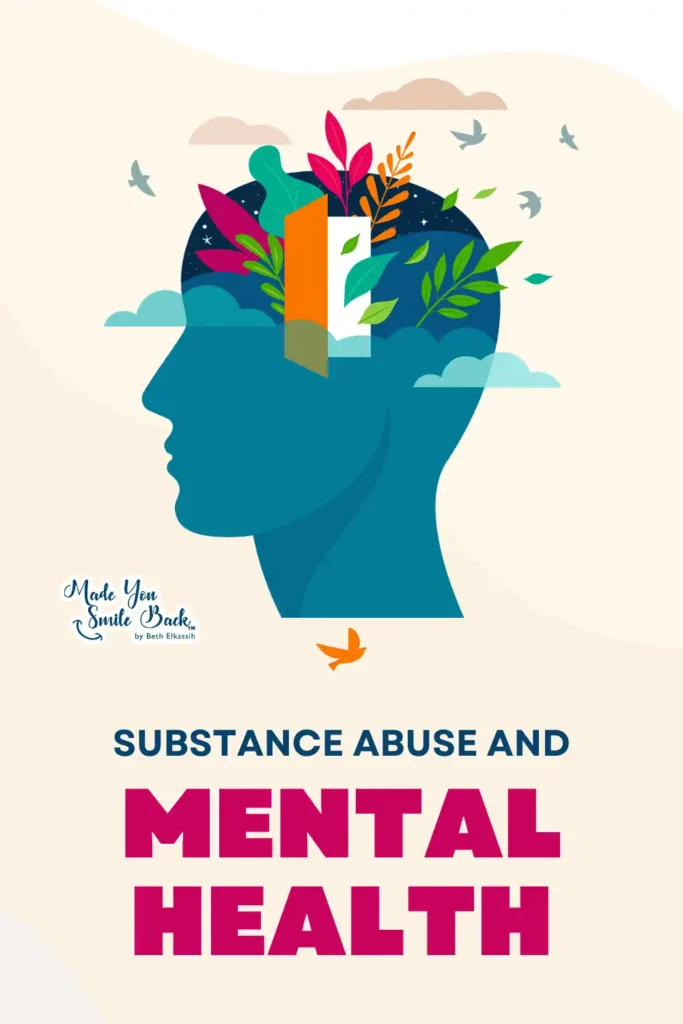
Save what you love, hover or tap the image and pin it now.
Substance use can change how your brain works and affect your mood, thinking, and behavior. When it happens alongside conditions like anxiety or depression, it can make recovery more complex and require coordinated care.
Understanding Substance Abuse
Substance abuse happens when you use alcohol, prescription drugs, or illegal substances in ways that harm your health or daily life. It can cause physical dependence, emotional distress, and serious social problems.
You might notice warning signs such as:
- Cravings or strong urges to use
- Withdrawal symptoms when not using
- Neglecting work, school, or relationships
- Risky behavior while under the influence
Substance use affects the brain’s reward system, making it harder to stop even when you want to. Over time, this can lead to changes in mood, memory, and judgment.
Treatment often includes counseling, medication, and support groups. Programs supported by organizations like SAMHSA help connect you with local resources and recovery services. Early help improves your chances of long-term stability and better mental health.
Co-Occurring Disorders
When substance abuse and mental illness occur together, it’s called a co-occurring disorder. You might experience both depression or anxiety and a substance use disorder at the same time. Each condition can make the other worse.
For example, someone with anxiety may use alcohol to relax, but over time, alcohol can increase anxiety and disrupt sleep. Similarly, depression can make it harder to stop using substances because of low motivation and energy.
Effective treatment addresses both issues together. Integrated care often includes:
| Approach | Focus |
|---|---|
| Therapy | Builds coping skills and emotional awareness |
| Medication | Manages symptoms of anxiety or depression |
| Peer support | Encourages accountability and connection |
You can recover with the right combination of support, consistent care, and understanding of how both conditions interact.
In Conclusion – Final Last Words
You can view Mental Health Matters as both a social priority and a public health goal. It focuses on improving access to care, reducing stigma, and supporting people in schools, workplaces, and communities.
The Mental Health Matters Act (H.R. 7780), passed by the U.S. House in 2022, aimed to expand mental and behavioral health services. It proposed grants to increase school-based providers and required fair access to mental health benefits in employee health plans.
You benefit when schools, families, and employers work together to identify and address mental health needs early. Early support helps prevent long-term challenges and improves daily functioning.
By understanding how mental health connects to education, employment, and healthcare, you can better support yourself and others. Taking small, consistent steps—like seeking help when needed or encouraging open discussion—makes mental well-being a shared responsibility.