Effective Strategies to Manage Anxiety in Daily Life: Practical Tips for Mental Wellness
🕒 Last Updated on December 5, 2024
Effective Strategies to Manage Anxiety in Daily Life: Practical Tips for Mental Wellness
Anxiety can make daily life challenging. Many people struggle with worry, stress, and fear.
You can take control of anxiety by using simple strategies every day. Learning how to calm your mind and body can help you feel better. Some useful methods include deep breathing, exercise, and talking to others.
Having a plan to deal with anxious thoughts is important. You might try writing in a journal or practicing mindfulness. These tools can give you more peace. Remember, it’s okay to ask for help when you need it.

Save what you love, hover or tap the image and pin it now.
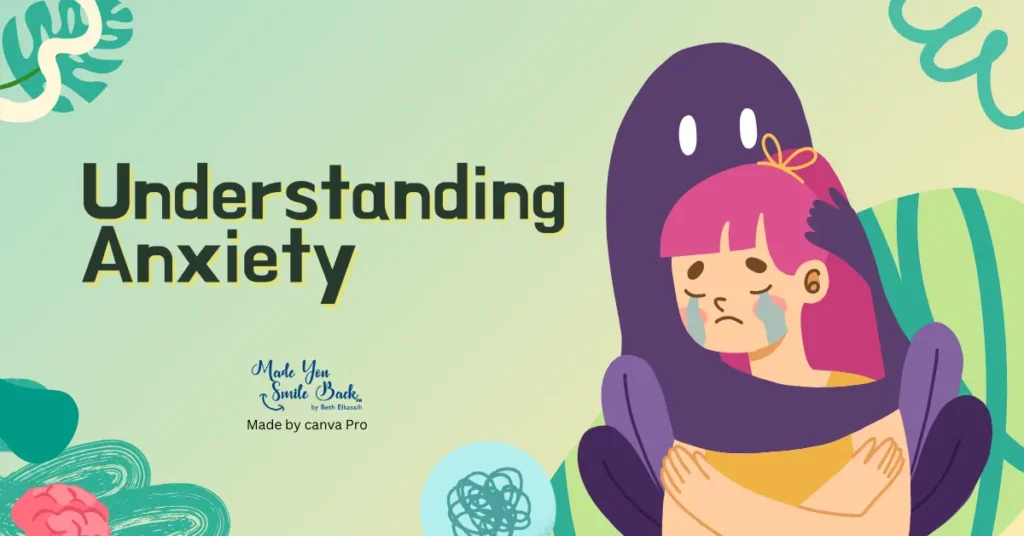
Understanding Anxiety
Anxiety is a complex mental health condition that affects millions of people. It can take different forms and impact daily life in various ways. Learning about anxiety types, symptoms, and triggers is key to managing it effectively.
Types of Anxiety Disorders
Anxiety disorders come in several forms. Generalized anxiety disorder involves constant worry about many aspects of life. Social anxiety disorder makes social situations very stressful. Panic disorder causes sudden, intense fear attacks.
Other types include:
- Specific phobias
- Separation anxiety disorder
- Agoraphobia
Each type has unique features, but they all involve excessive fear or worry. Knowing which type you have can help guide treatment.
Symptoms of Anxiety
Anxiety symptoms can be physical and mental. Common physical signs include:
Get your Freebie


- Rapid heartbeat
- Sweating
- Trembling
- Shortness of breath
- Muscle tension
Mental symptoms often involve:
- Constant worry
- Difficulty concentrating
- Feeling on edge
- Sleep problems
You might notice these symptoms get worse in certain situations. Recognizing them early can help you take steps to manage your anxiety.
Anxiety Triggers and Mental Health
Anxiety triggers are events or situations that spark anxious feelings. Common triggers include:
- Work stress
- Financial worries
- Health concerns
- Relationship issues
- Major life changes
Your mental well-being plays a big role in how you handle triggers. Chronic anxiety can wear down your mental health over time, making you more sensitive to triggers.
Learning to spot your personal triggers is crucial. It helps you prepare and respond better. You can work on building mental resilience to face triggers more effectively.

Save what you love, hover or tap the image and pin it now.
Professional and Therapeutic Interventions
Getting expert help can make a big difference in managing anxiety. There are proven treatments that can give you tools to feel better and cope with anxious thoughts.
Seeking Professional Help
If anxiety interferes with your daily life, it’s time to talk to a mental health professional. They can assess your symptoms and recommend the best treatment. A therapist or counselor can teach you coping skills and help you understand your anxiety better.
Don’t be afraid to reach out. Many people find relief by working with an expert. Your doctor can refer you, or you can search online for therapists in your area.
Building a strong support system is key. Friends and family can offer encouragement as you work on your anxiety. Support groups let you connect with others facing similar challenges.
Cognitive-Behavioral Therapy (CBT)
CBT is very effective for treating anxiety. It helps you identify and change negative thought patterns. You’ll learn to spot anxious thoughts and replace them with more balanced ones.
In CBT, you’ll practice:
- Recognizing anxiety triggers
- Challenging anxious thoughts
- Using relaxation techniques
- Facing fears gradually
Your therapist will give you homework to practice these skills. Over time, you’ll gain more control over anxious feelings.
Medication and Treatment Plans
For some people, medication can be helpful alongside therapy. A psychiatrist can prescribe anti-anxiety drugs if needed. These may include:
- SSRIs
- SNRIs
- Benzodiazepines (for short-term use)
Your doctor will create a treatment plan tailored to your needs. This may combine therapy, medication, and lifestyle changes. Regular check-ins help track your progress and adjust the plan as needed.
Finding the right treatment takes time. Be patient and keep working with your healthcare team. With the right approach, you can learn to manage your anxiety effectively.
Save what you love, hover or tap the image and pin it now.
Lifestyle and Home Remedies
Making smart choices in your daily life can greatly reduce anxiety. These simple changes can have a big impact on how you feel.
Nutrition and Diet
What you eat affects your mood and anxiety levels. A nutritious diet can help calm your nerves. Try these tips:
• Eat more whole foods like fruits, vegetables, and whole grains.
• Cut back on caffeine and alcohol.
• Stay hydrated by drinking plenty of water.
• Include foods rich in omega-3 fatty acids, like salmon and walnuts.
• Avoid sugary and processed foods.
Eating regular meals helps keep your blood sugar stable. This can prevent mood swings and anxiety spikes. Consider keeping healthy snacks on hand for when you feel hungry between meals.
Physical Exercise and Activity
Regular exercise is a powerful tool against anxiety. It releases endorphins, which are natural mood boosters.
Aim for at least 30 minutes of activity most days of the week. You can try:
• Walking
• Running
• Swimming
• Cycling
• Yoga
Even short bursts of activity can help. Take a quick walk during your lunch break or do some stretches at your desk. Find activities you enjoy to make exercise fun, not a chore.
Sleep and Rest
Good sleep is key to managing anxiety. Poor sleep can make you more prone to worry and stress. Try these tips for better sleep:
• Stick to a regular sleep schedule.
• Create a relaxing bedtime routine.
• Keep your bedroom cool, dark, and quiet.
• Avoid screens for at least an hour before bed.
• Limit caffeine and alcohol, especially in the evening.
If you have trouble falling asleep, try relaxation techniques like deep breathing or mindfulness. Don’t lie in bed tossing and turning. If you can’t sleep after 20 minutes, get up and do a calm activity until you feel sleepy.
Save what you love, hover or tap the image and pin it now.
Mind-Body Relaxation Techniques
Mind-body techniques can help calm your nerves and ease anxiety. These methods focus on connecting your mind and body to promote relaxation and reduce stress.
Yoga and Meditation
Yoga combines physical postures, breathing exercises, and meditation to promote relaxation. It can lower anxiety during stressful situations.
Start with simple poses like Child’s Pose or Corpse Pose.
Hold each pose for 5-10 breaths. Focus on your breathing as you move through the poses. This helps quiet your mind and relax your body.
Meditation involves sitting quietly and focusing your attention. You can meditate on your breath, a word, or an image.
Start with just 5 minutes a day and gradually increase the time.
Try a guided meditation app if you’re new to the practice. Regular meditation can help reduce anxiety symptoms over time.
Breathing Exercises
Deep breathing activates your body’s relaxation response. It counters the effects of stress and anxiety. Try this simple technique:
- Sit comfortably with your eyes closed
- Breathe in slowly through your nose for 4 counts
- Hold your breath for 4 counts
- Exhale slowly through your mouth for 4 counts
- Repeat for 5-10 cycles
Box breathing is another effective method. Visualize tracing the sides of a square as you breathe in, hold, exhale, and hold again, each for 4 counts.
Diaphragmatic breathing involves breathing deeply into your belly. Place one hand on your chest and one on your stomach. Breathe so that only your stomach moves.
Progressive Muscle Relaxation
This technique involves tensing and then relaxing different muscle groups. It helps you recognize and release physical tension caused by anxiety.
Start with your toes. Tighten the muscles for 5 seconds, then relax for 10 seconds.
Move up to your calves, thighs, buttocks, stomach, arms, hands, neck, and face.
Focus on the difference between tension and relaxation in each area. This practice can help you cope with everyday stress.
You can find guided progressive muscle relaxation recordings online. Listen to these as you practice to stay focused and maintain a steady pace.
Save what you love, hover or tap the image and pin it now.
Coping Mechanisms and Strategies
Managing anxiety involves using different techniques to calm your mind and body. These methods can help you feel more in control and reduce stress in your daily life.
Cognitive Techniques
Changing negative thought patterns is key to easing anxiety. Try the 3-3-3 rule to ground yourself: name 3 things you see, 3 sounds you hear, and move 3 parts of your body. This helps break the cycle of anxious thoughts.
Journaling can also be helpful. Write down your worries and fears. Then, challenge these thoughts by looking for evidence that supports or contradicts them.
Use distraction techniques when anxiety strikes. Count backwards from 100 by 7s, or list items in categories like fruits or countries.
Emotional Well-being
Building resilience is crucial for long-term anxiety management. Practice mindfulness to stay present and reduce overwhelm. Try a simple breathing exercise: breathe in for 4 counts, hold for 4, then exhale for 4.
Engage in activities you enjoy. Hobbies can provide a healthy escape from stress. Whether it’s painting, gardening, or playing music, make time for things that bring you joy.
Regular exercise is also important. Even a short walk can boost your mood and reduce anxiety symptoms.
Social and Personal Relationships
Strong social connections can help you cope with anxiety. Reach out to friends or family when you’re feeling stressed. Talking about your worries can often make them feel more manageable.
Consider joining a support group. Sharing experiences with others who understand can be very comforting.
Practice self-care regularly. This might include taking relaxing baths, reading a good book, or getting a massage. Prioritizing your needs is not selfish – it’s necessary for your well-being.
Save what you love, hover or tap the image and pin it now.
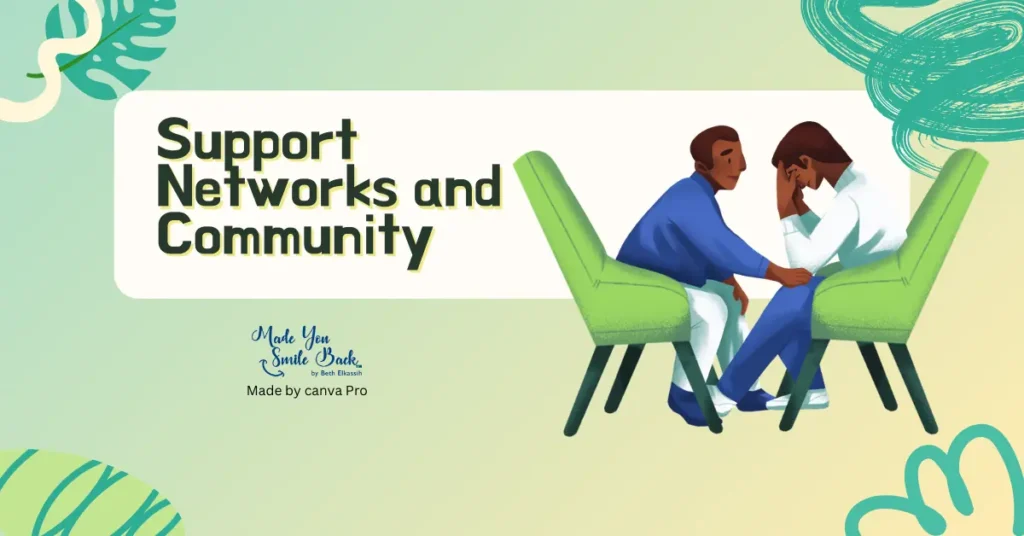
Support Networks and Community
Building connections with others helps manage anxiety. Reaching out and staying in touch with people can provide comfort and reduce stress.
Building a Support Group
Creating a support group is key for managing anxiety. Start by identifying trusted friends or family members who understand your struggles.
Reach out to them and explain your needs.
Look for local support groups focused on anxiety. These groups offer a safe space to share experiences and learn coping strategies.
Online forums and social media groups can also be helpful. They allow you to connect with others facing similar challenges from the comfort of your home.
Remember, building a support network takes time. Be patient and keep reaching out.
Overcoming Isolation
Isolation can worsen anxiety symptoms. To break free from it, start small.
Set a goal to talk to one person each day, even if it’s just a brief chat.
Join clubs or groups based on your interests. This gives you a chance to meet like-minded people in a low-pressure setting.
Volunteer work can also help you connect with others while doing something meaningful. It can boost your self-esteem and reduce anxiety.
If social anxiety is holding you back, consider seeking professional help. A therapist can provide tools to overcome these fears.
Connecting with Others
Building strong relationships is vital for anxiety management. Be open about your anxiety with those you trust. This honesty can deepen your connections.
Practice active listening when interacting with others. This helps you focus on the conversation and reduces anxious thoughts.
Plan regular social activities, even if they’re small. A weekly coffee date or phone call can give you something to look forward to.
Try to balance your social life. Too much socializing can be draining, while too little can increase loneliness. Find what works best for you.
Save what you love, hover or tap the image and pin it now.
Frequently Asked Questions
Anxiety can be managed through various techniques and strategies. These approaches range from immediate relief methods to long-term coping skills, both with and without medication.
What are some immediate techniques to lessen feelings of anxiety?
Deep breathing exercises can quickly reduce anxiety. Try inhaling slowly for 4 counts, holding for 4, and exhaling for 4.
Grounding techniques can also help. Focus on your senses – name 5 things you can see, 4 you can touch, 3 you can hear, 2 you can smell, and 1 you can taste.
Can you provide effective strategies to manage anxiety on a daily basis?
Regular exercise is a powerful anxiety-buster. Even a 10-minute walk can improve your mood and reduce stress.
Cognitive Behavioral Therapy (CBT) techniques can be practiced daily. Challenge negative thoughts and replace them with more balanced ones.
What strategies can help in coping with anxiety without the use of medication?
Mindfulness meditation can be very effective. Spend a few minutes each day focusing on your breath and present moment experiences.
Maintaining a consistent sleep schedule can significantly reduce anxiety. Aim for 7-9 hours of sleep each night.
What are the steps to take to stop anxiety-inducing thoughts?
Recognize the thought as it occurs. Label it as an anxious thought, not a fact.
Challenge the thought. Ask yourself if it’s realistic or if there’s evidence to support it.
Replace it with a more balanced thought. Practice this regularly to build the skill.
How can one handle feelings of anxiety when facing them alone?
Create a self-soothing kit with items that engage your senses. This might include a soft blanket, calming music, or a favorite scent.
Practice positive self-talk. Remind yourself of past challenges you’ve overcome and your inner strength.
What are the best methods to calm down during an anxiety attack?
Focus on slow, deep breaths. Count each inhale and exhale to help steady your mind.
Use progressive muscle relaxation. Tense and then relax each muscle group in your body, starting from your toes and moving up.
Remind yourself that anxiety attacks are temporary and will pass. This can help reduce the fear associated with the attack.
Save what you love, hover or tap the image and pin it now.
In Conclusion – Final Last Words
Anxiety can be tough, but you have many tools to handle it.
Deep breathing helps calm your body and mind. Try it when you feel anxious.
Exercise is great for reducing stress. Even a short walk can make a difference.
Mindfulness practices can keep you grounded in the present moment.
Self-care is key. Get enough sleep, eat well, and take breaks when needed.
Gradually face your fears to build confidence.
Talk to friends or family about your feelings. Don’t be afraid to seek help from a therapist if needed.
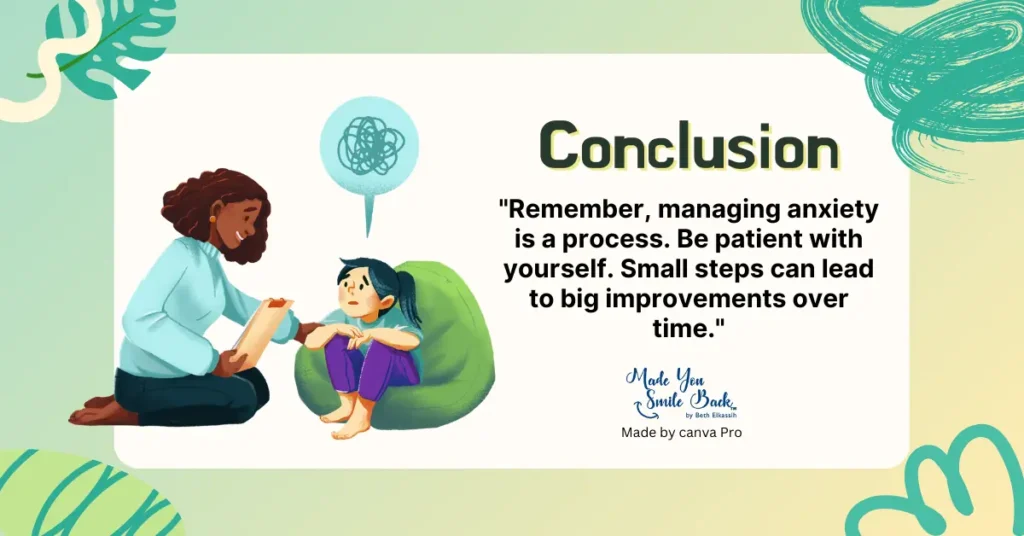
Remember, managing anxiety is a process. Be patient with yourself. Small steps can lead to big improvements over time.
Use these strategies daily to build resilience. You can learn to cope with anxiety and live a fulfilling life.