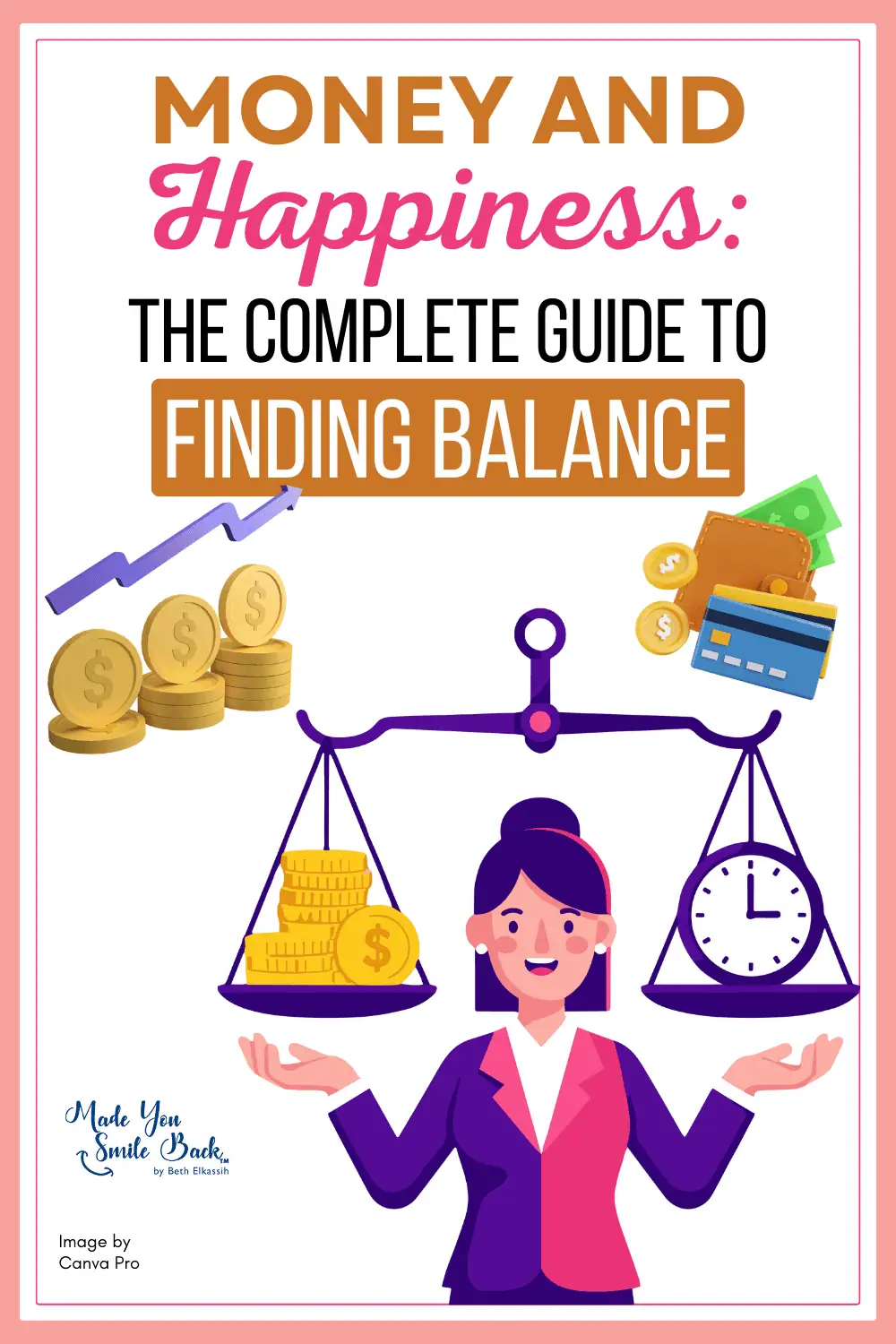
Money and Happiness: The Complete Guide to Finding Balance
🕒 Last Updated on January 23, 2026
Money can’t buy happiness—or can it? This age-old question has puzzled philosophers, economists, and everyday people for generations, yet the relationship between wealth and well-being remains one of life’s most compelling mysteries.
The Science Behind Money and Happiness

Save what you love, hover or tap the image and pin it now.
Research reveals a fascinating connection between income and happiness, but it’s not as straightforward as you might think. Studies show that money does increase happiness, but only up to a certain point—approximately $75,000 annually for emotional well-being and $95,000 for life satisfaction in the United States.
Beyond these thresholds, additional income produces diminishing returns on happiness. A millionaire isn’t necessarily twice as happy as someone earning $100,000, despite having ten times the wealth.
The principle of hedonic adaptation explains why lottery winners often return to their baseline happiness levels within months. We quickly adapt to improved circumstances, whether it’s a salary increase or a luxury purchase, making the happiness boost temporary rather than permanent.
Key findings from happiness research:
- Income matters most when it helps meet basic needs like food, shelter, and healthcare
- Financial security reduces stress and anxiety about daily survival
- Wealth provides freedom to make life choices aligned with personal values
- Material possessions offer fleeting satisfaction compared to experiences
- Income inequality in your community can affect your happiness regardless of absolute wealth
The relationship between money and happiness follows a logarithmic curve rather than a linear one. This means each additional dollar matters less as your wealth increases—the jump from $30,000 to $60,000 impacts happiness far more than the leap from $300,000 to $600,000.
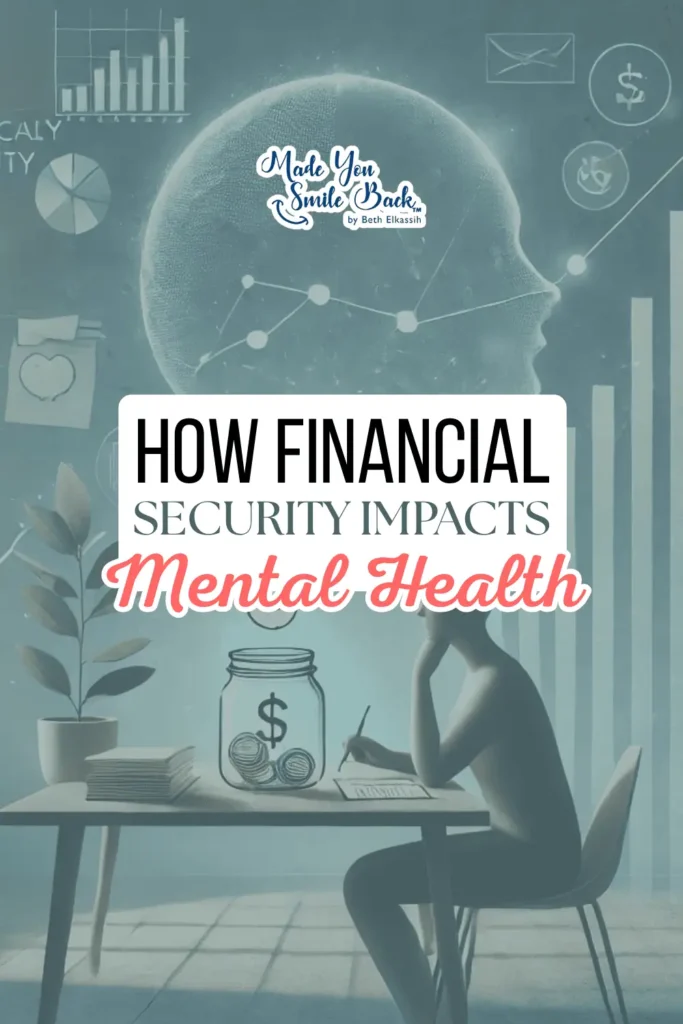
How Financial Security Impacts Mental Health
Save what you love, hover or tap the image and pin it now.
Financial stability serves as a foundation for psychological well-being, protecting against chronic stress and anxiety. When you’re not worried about paying rent or affording groceries, your mind has space to focus on growth, relationships, and meaningful pursuits.
Money problems rank among the top causes of stress in relationships and marriages. Financial insecurity triggers the body’s stress response, releasing cortisol that can lead to sleep problems, weakened immunity, and mental health challenges over time.
Mental health benefits of financial security:
Get your Freebie


- Reduced anxiety about meeting basic needs
- Better sleep quality without money-related worries
- Improved focus and productivity at work
- Stronger, less conflict-prone relationships
- Greater sense of control over your life path
- Ability to afford mental healthcare and therapy when needed
The absence of financial stress doesn’t automatically create happiness, but it removes a major obstacle. Think of money as similar to health—you don’t necessarily feel amazing when you’re healthy, but you definitely feel terrible when you’re sick.
Emergency savings provide particular psychological benefits by creating a buffer against life’s uncertainties. Knowing you can handle unexpected expenses—car repairs, medical bills, job loss—provides peace of mind that permeates every aspect of daily life.
Debt, particularly high-interest consumer debt, acts as a happiness drain by creating persistent worry and limiting future options. The psychological burden of owing money often outweighs the temporary pleasure gained from whatever the debt purchased.
Spending Money on Experiences vs. Material Possessions

Save what you love, hover or tap the image and pin it now.
Decades of psychological research consistently show that spending money on experiences brings more lasting happiness than buying things. A vacation, concert, or cooking class creates memories, stories, and personal growth that physical objects rarely provide.
Material purchases suffer from rapid habituation—that new car thrill fades within weeks as it becomes simply “your car.” Experiences, by contrast, become more valuable over time as you reminisce, share stories, and integrate them into your identity.
Why experiences beat possessions:

- Create lasting memories that appreciate rather than depreciate
- Foster social connections through shared activities
- Contribute to your sense of identity and who you are
- Generate anticipation before and nostalgia after
- Less prone to social comparison than material goods
- Provide stories and conversation material for years
Experiences also connect us to other people, whether through shared activities or the stories we tell afterward. A concert becomes more meaningful when attended with friends, and even solo travel creates bonds with fellow adventurers and locals.
The joy of anticipation adds another happiness layer to experiences. Planning a trip provides weeks or months of excitement, whereas waiting for a product delivery typically generates mild impatience at best.
However, this doesn’t mean all material purchases are happiness dead-ends. Items that enable experiences—camping gear, musical instruments, sports equipment—can boost happiness by facilitating activities you love.
The key is recognizing that the object’s value lies in what it allows you to do, not in ownership itself. A kayak brings joy through paddling adventures, not by sitting in your garage looking impressive.
The Role of Generosity and Giving in Increasing Happiness

Save what you love, hover or tap the image and pin it now.
Giving money away might seem counterintuitive to happiness, yet research proves that spending on others creates more joy than spending on yourself. This phenomenon, called the “helper’s high,” occurs across cultures and income levels worldwide.
Neuroscience reveals why generosity feels good—giving activates reward centers in the brain similar to receiving food or money. This biological response suggests that humans evolved to find pleasure in helping others, making altruism literally self-rewarding.
Benefits of charitable giving and generosity:
- Activates pleasure centers in the brain
- Creates sense of purpose and meaning
- Strengthens social bonds and community connections
- Provides perspective on your own circumstances
- Builds positive self-image as a caring person
- May improve physical health through stress reduction
Even small acts of generosity trigger these effects—buying a stranger’s coffee can boost your mood as effectively as larger donations. The impact on happiness seems more connected to the act itself than the amount given.
Volunteering time offers similar psychological benefits to donating money, with added advantages of social connection and skill-building. Helping at a food bank or mentoring youth provides structure, purpose, and meaningful human interaction.
The happiness boost from giving increases when you see the direct impact of your generosity. Donating to help a specific person or witnessing how your contribution helps creates stronger positive emotions than abstract charitable giving.
Interestingly, spending money on others seems to work best when you have genuine autonomy in the decision. Obligatory gifts or forced donations don’t produce the same happiness returns as voluntary generosity from the heart.
Money, Status, and Social Comparison
Save what you love, hover or tap the image and pin it now.
The pursuit of status through wealth often backfires because happiness isn’t about absolute income—it’s about relative income compared to those around you. You might feel rich earning $80,000 until you move to a neighborhood where everyone makes $200,000.
Social comparison steals joy by creating a moving target for “enough.” No matter how much you accumulate, there’s always someone with more wealth, a bigger house, or a fancier car.
The status trap and its effects:
- Keeping up with neighbors leads to overspending and debt
- Social media amplifies unrealistic comparisons
- Focus on external validation rather than internal satisfaction
- Creates chronic dissatisfaction regardless of actual wealth
- Encourages working for money rather than meaning
- Damages relationships through competition and envy
Conspicuous consumption—buying things to display wealth—particularly fails to deliver lasting happiness. That luxury handbag might impress initially, but its status value evaporates as trends change and others acquire similar items.
The hedonic treadmill keeps you running without getting anywhere when status drives spending. Each purchase provides brief satisfaction before you adapt and desire the next level up.
Breaking free from status competition requires conscious effort to define success on your own terms. Ask yourself whether purchases align with your values or simply serve to impress others.
Cultivating gratitude for what you have counteracts the comparison trap. Regular practice of appreciating your current circumstances—housing, health, relationships—shifts focus from what’s missing to what’s present.
Choosing your reference group wisely also matters. Spending time with people who prioritize experiences, relationships, and personal growth over material accumulation naturally reduces status-driven spending pressure.
Finding the Right Balance With Money
Save what you love, hover or tap the image and pin it now.
Financial balance means having enough money to meet needs and pursue goals without letting wealth accumulation become life’s primary focus. This sweet spot varies by individual based on values, lifestyle preferences, and personal circumstances.
The concept of “enough” challenges infinite growth mindset promoted by consumer culture. Defining your financial finish line—the amount that genuinely satisfies your needs—prevents endless, unsatisfying pursuit of more.
Creating your personal money balance:
- Identify your core values and align spending accordingly
- Calculate your “enough” number for security and freedom
- Build emergency fund covering 3-6 months expenses
- Invest in experiences and relationships over possessions
- Practice mindful spending with intention behind purchases
- Regularly audit expenses to eliminate waste
- Balance present enjoyment with future planning
Time wealth often matters more than money wealth for happiness. Working 80-hour weeks to earn maximum income sacrifices the leisure time needed to enjoy life’s pleasures.
Some people achieve balance through downshifting—voluntarily reducing income to gain time, reduce stress, or pursue passion projects. This path requires accepting less consumption in exchange for greater life satisfaction.
The 50/30/20 budgeting rule offers a starting framework: 50% of income for needs, 30% for wants, and 20% for savings and debt repayment. Adjust these ratios based on your situation and goals.
Automation helps maintain balance by making savings and investments invisible. When money automatically transfers to retirement accounts or emergency funds, you’re less tempted to overspend on unnecessary purchases.
Remember that your relationship with money evolves throughout life stages. Balance in your twenties looks different than in your fifties, so regularly reassess whether your financial approach still serves your current priorities.
Practical Strategies for Money-Related Happiness
Save what you love, hover or tap the image and pin it now.
Implementing specific money habits can maximize the happiness return on every dollar earned and spent. Small strategic changes compound over time to create significant improvements in financial well-being and life satisfaction.
Actionable money strategies for greater happiness:
- Pay for experiences you’ll remember years from now
- Invest in time-saving services when possible (cleaning, meal prep)
- Build an emergency fund for peace of mind
- Spend on others through gifts and charitable giving
- Buy many small pleasures rather than few large luxuries
- Pay in advance and consume later to maximize anticipation
- Avoid debt for depreciating assets like cars and electronics
- Create financial margin through intentional under-spending
- Track spending to align money with values
- Automate savings to reduce decision fatigue
Buying time may be the best investment you can make with money. Hiring help for tasks you dislike—yard work, house cleaning, tax preparation—frees hours for activities you genuinely enjoy.
Small frequent pleasures often deliver more cumulative happiness than rare expensive treats. Daily quality coffee or weekly dinners with friends outperform an annual luxury vacation in terms of overall life satisfaction.
The pay-now-consume-later strategy flips typical credit card behavior by maximizing anticipation and eliminating post-purchase guilt. Saving up for a trip or purchase makes the eventual consumption sweeter and debt-free.
Creating a conscious spending plan differs from traditional budgeting by emphasizing what adds value rather than restriction. Identify purchases that genuinely enhance your life and cut ruthlessly from categories that don’t.
Regular financial check-ins with yourself or a partner keep money aligned with evolving priorities. Monthly reviews of spending patterns reveal unconscious habits and opportunities for improvement.
Financial education pays dividends throughout life by reducing costly mistakes and increasing confidence in money decisions. Basic knowledge of investing, taxes, and personal finance empowers better choices without requiring expert-level sophistication.
In Conclusion – Final Last Words
The relationship between money and happiness is nuanced, complex, and deeply personal—there’s no universal formula that works for everyone. While money matters significantly for meeting basic needs and providing security, its power to create lasting happiness diminishes once you’ve achieved financial stability.
True wealth lies not in accumulating maximum money but in using it wisely to support what genuinely matters: meaningful relationships, memorable experiences, personal growth, time freedom, and contributing to something larger than yourself. The happiest people aren’t necessarily the richest—they’re those who’ve discovered their “enough” and aligned spending with their deepest values.
Final takeaways for money and happiness:
- Money enables happiness up to a point, then other factors dominate
- Financial security reduces stress and creates space for flourishing
- Experiences, relationships, and generosity outperform material accumulation
- Social comparison and status-seeking sabotage satisfaction
- Balance requires defining “enough” and living intentionally within it
- Small strategic choices compound into significant life improvements
- Time wealth often matters more than money wealth
- Your relationship with money should evolve as life circumstances change
The goal isn’t to maximize wealth but to optimize the relationship between your financial resources and overall life satisfaction. This might mean earning less to work fewer hours, spending more on experiences and less on possessions, or giving away money to causes you care about.
Start by examining your current money habits honestly—does your spending reflect your stated values, or have you drifted into unconscious consumption? Small adjustments made consistently over time create profound shifts in both financial health and life happiness.
Remember that money is ultimately a tool, not a destination. Use it wisely to build the life you want rather than letting the pursuit of wealth itself become your life’s purpose. Your future self will thank you for finding this balance while you still have time to enjoy it.