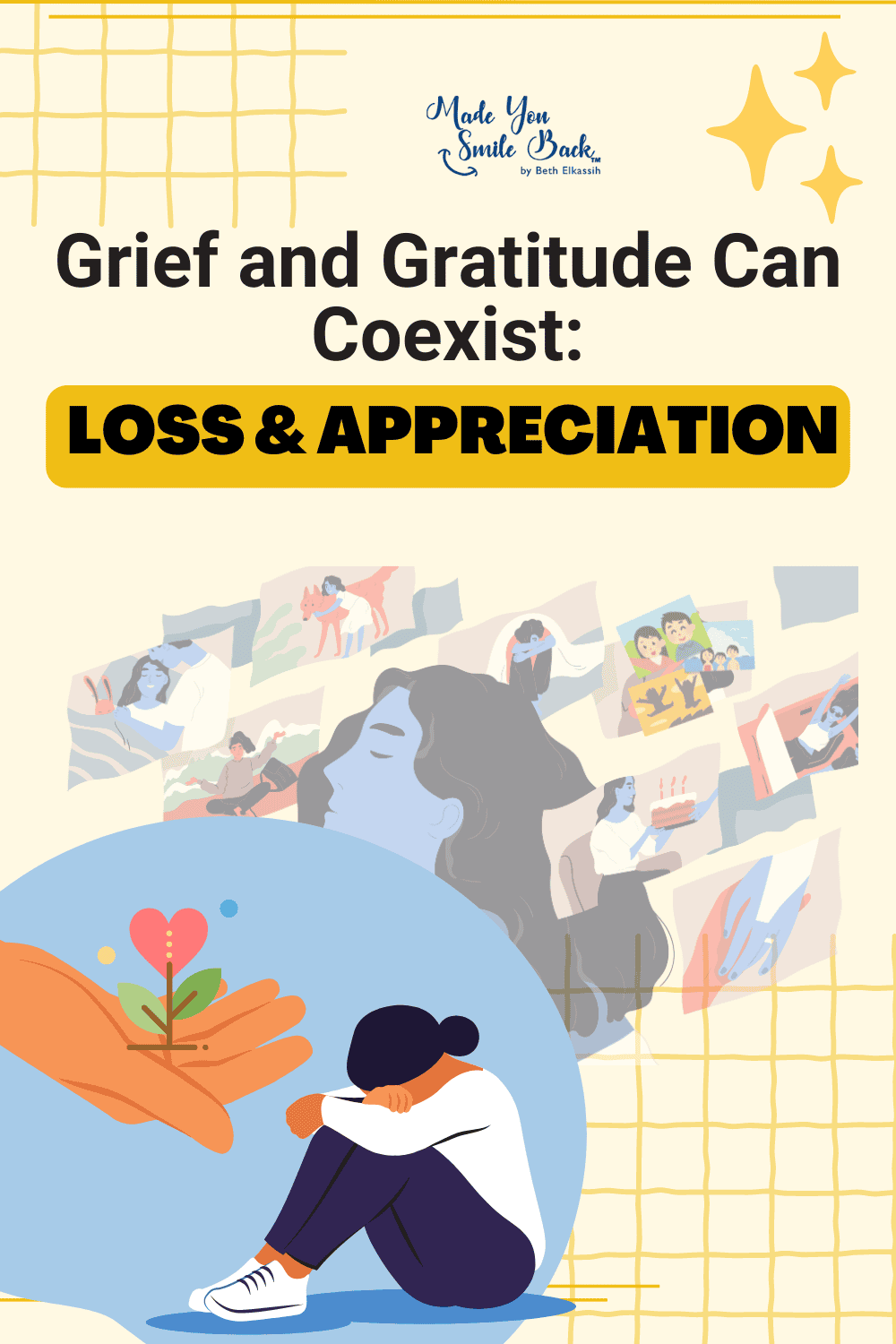
Grief and Gratitude Can Coexist: Loss & Appreciation
Grief and Gratitude Can Coexist: Finding Balance in Loss and Appreciation
Grief and gratitude may seem like opposite feelings, but they can exist side by side in your life. When you’re dealing with loss, it’s natural to focus on sadness and pain. Yet finding things to be thankful for can help you heal.
Grief and gratitude can coexist, offering a powerful foundation for personal transformation and healing. Both emotions stem from love and show how much you cared. Feeling grateful doesn’t mean you’re not sad. It just means you can see the good alongside the bad.

Being mindful of what you’re thankful for, even in hard times, can boost your health and mood. It helps you stay in the present instead of getting stuck in the past.
You might feel grateful for memories, support from others, or small joys in your day. This gratitude can help you find meaning and grow through your grief.


Save what you love, hover or tap the image and pin it now.
Understanding Grief
Grief is a complex emotional response to loss. It affects people in different ways and can have significant impacts on mental and physical health.
The grieving process involves several stages and types of grief that you may experience.
The Grieving Process
The grieving process is not linear. You might move back and forth between different stages:
- Denial
- Anger
- Bargaining
- Depression
- Acceptance
These stages are not fixed or predictable. You may skip some or repeat others. Your grief journey is unique to you.
Crying, feeling numb, or having trouble sleeping are common reactions. You might also feel guilty or angry. These feelings are normal parts of grieving.
Get your Freebie

Types of Grief
Grief comes in many forms:
- Anticipatory grief: You feel loss before it happens
- Complicated grief: Intense, long-lasting sorrow
- Disenfranchised grief: Loss that others don’t recognize
- Chronic grief: Grief that doesn’t improve over time
Each type of grief can affect you differently. Your cultural background and personal experiences shape how you grieve.

The Impact of Loss on Health
Grief can take a toll on your physical and mental health. You might experience:
- Sleep problems
- Changes in appetite
- Weakened immune system
- Increased risk of heart issues
Stress from grief can lead to depression or anxiety. Your body releases stress hormones that can affect your overall well-being.
Seeking support is crucial. Talking to friends, family, or a therapist can help you cope. Taking care of your physical health through exercise and proper nutrition is also important during the grieving process.


Save what you love, hover or tap the image and pin it now.
The Role of Gratitude
Gratitude plays a key part in helping people cope with grief and loss. It can bring positive emotions and healing even in difficult times.
Benefits of Gratitude
Gratitude helps you focus on the good things in life. It boosts your mood and lowers stress. When you feel thankful, your brain releases chemicals that make you feel happier.
Practicing gratitude can improve your sleep and health. It helps you build stronger relationships with others. You may find yourself feeling more optimistic about life.
Gratitude also increases your resilience. This means you can bounce back better from hard times.
Gratitude in the Face of Loss
You can feel grateful even when grieving. Grief and gratitude can exist together. Being thankful doesn’t mean you’re not sad about your loss.
Gratitude helps you remember the good times with your loved one. It can bring comfort and peace during grief. You might feel grateful for the time you had together or for the support of friends and family.
Focusing on gratitude can help you heal and find meaning after a loss. It doesn’t take away your pain, but it can help you cope better.
Practicing Gratitude
There are many ways to practice gratitude in your daily life.
One popular method is keeping a gratitude journal. Each day, write down 3-5 things you’re thankful for.
You can also start a gratitude ritual. This could be saying thanks before meals or sharing what you’re grateful for with your family each night.
Try sending thank-you notes to people who have helped you. This spreads joy to others and makes you feel good too.
Remember, gratitude takes practice. Start small and be patient with yourself. Over time, you’ll find it easier to notice the good things in your life.

Save what you love, hover or tap the image and pin it now.
Healing Through Grief
Grief and gratitude can work together to help you heal. Learning to navigate grief while cultivating gratitude can lead to resilience and personal growth. Let’s explore some key strategies for healing through grief.
Paths to Healing
Healing from grief is a personal journey. You can start by acknowledging your feelings without judgment. It’s okay to feel sad, angry, or confused.
Practicing gratitude during this time can enhance your well-being. Try keeping a gratitude journal. Write down three things you’re thankful for each day, no matter how small.
Self-compassion is crucial. Treat yourself with kindness and patience. Engage in activities that bring you comfort, like reading, walking in nature, or listening to music.
Remember, healing isn’t linear. Some days will be harder than others. That’s normal and expected.
Support Systems
You don’t have to face grief alone. Building a strong support system is vital for healing.
Reach out to friends and family. Share your feelings and memories of your loved one. Don’t be afraid to ask for help when you need it.
Consider joining a grief support group. Connecting with others who understand your experience can be comforting. You’ll learn coping strategies and feel less isolated.
Online communities can also provide support. Look for forums or social media groups dedicated to grief and healing.
Professional help is always an option. A therapist or counselor can offer guidance and tools to navigate your grief journey.
Intervention Strategies
There are several strategies you can use to cope with grief and foster healing.
- Deep breathing exercises
- Meditation
- Yoga
These can help you stay present and manage overwhelming emotions.
Expressive activities:
- Journaling
- Art therapy
- Music therapy
These allow you to process your feelings in a healthy way.
Cognitive-behavioral techniques can help reframe negative thoughts. Work on challenging unhelpful beliefs about your loss.
Setting small, achievable goals can give you a sense of purpose. This might include daily tasks or new hobbies.
Remember, healing takes time. Be patient with yourself as you navigate this process.

Save what you love, hover or tap the image and pin it now.
Family, Love, and Relationships
Grief and gratitude intertwine deeply with our closest bonds. Your family, love, and relationships play a crucial role in navigating loss while finding moments of appreciation.
Family Dynamics and Grief
When you lose a loved one, family dynamics often shift. Each member may grieve differently, causing tension or misunderstandings. You might find yourself taking on new roles or responsibilities within the family.
Remember that there’s no “right” way to grieve. Be patient with yourself and your relatives. Open communication can help you support each other through tough times.
Try to create space for both sadness and fond memories. You could start a family tradition to honor your lost loved one, like sharing stories at gatherings or cooking their favorite meal together.
Maintaining Personal Relationships
Grief can be isolating, but your relationships are vital for healing. You may worry about burdening friends with your sorrow. However, true friends often want to help.
Be honest about your needs. It’s okay to say:
- “I need someone to listen without trying to fix things.”
- “Can we do something fun to take my mind off things?”
- “I’d love company, even if we just sit quietly.”
Don’t forget to show gratitude for those who stand by you. A simple “thank you” can strengthen your bonds.
Love as a Source of Strength
Love – for the person you’ve lost and for those still with you – can be a powerful source of strength. Your memories of a departed mother or partner can bring comfort alongside the pain.
You might find yourself appreciating small gestures more deeply. A hug from your child or a kind word from a friend can spark moments of gratitude amidst grief.
Consider keeping a gratitude journal focused on your relationships. Write down one thing each day you’re thankful for about a loved one. This practice can help you find balance between honoring your loss and cherishing what remains.

Save what you love, hover or tap the image and pin it now.
Coping with Special Circumstances
Grief and gratitude can coexist even in challenging situations. You can find ways to honor your feelings while still appreciating life’s gifts.
Holidays and Grief
Holidays often bring mixed emotions when you’re grieving. You may feel pressured to be cheerful, but it’s okay to acknowledge your sadness.
Try creating new traditions that honor your loved one. For example, make their favorite pumpkin pie recipe or hang a special ornament.
You can also write letters of gratitude to those supporting you. This practice can boost your mood during difficult times.
Remember, there’s no right way to handle holidays while grieving. Do what feels right for you.
Grief and Major Illnesses
Facing a major illness like cancer while grieving can feel overwhelming. It’s important to take care of your physical and emotional health.
Seek support from friends, family, or support groups who understand your situation.
Try to find moments of gratitude, even in tough times. You might appreciate a kind nurse or a beautiful sunset.
These small moments can provide comfort and strength.
Building Resilience
Resilience helps you cope with grief and challenges. You can build this skill over time.
Start by practicing self-care and setting small, achievable goals.
Focus on things you can control. This might include your daily routine or how you respond to stress.
Cultivate hope by looking for positive moments each day.
Connect with others who inspire you. Their strength can motivate you to keep going.
Remember, building resilience is a process. Be patient with yourself as you grow stronger.

Save what you love, hover or tap the image and pin it now.
Fostering Emotional Well-Being
Caring for your emotional health is key when dealing with grief and gratitude.
Small daily habits can make a big difference in how you feel.
Mindfulness and Self-Care
Mindfulness helps you focus on the present moment. This can ease grief and boost gratitude.
Try deep breathing for 5 minutes each day. Notice how your breath feels moving in and out.
Self-care is vital too. Do things that make you feel good.
Take a warm bath, read a book, or go for a walk in nature. These acts show kindness to yourself.
Make time for hobbies you enjoy. Painting, gardening, or playing music can lift your mood.
They give you a break from heavy emotions.
The Impact of Stress and Sleep
Stress can make grief harder to handle. It may also block feelings of gratitude.
Gratitude can help reduce stress and improve your health.
Good sleep is crucial for dealing with emotions. Aim for 7-9 hours each night.
Create a calm bedtime routine. Turn off screens an hour before bed.
If you can’t sleep, don’t force it. Get up and do a quiet activity until you feel tired.
Avoid looking at the clock, as this can cause more stress.
Finding Happiness in the Moment
Happiness can exist even during grief.
Look for small joys in your day. It could be a tasty meal or a kind word from a friend.
Practice gratitude daily. Write down three things you’re thankful for before bed.
They can be as simple as a warm cup of tea or a sunny day.
Try to stay present. When sad thoughts come, acknowledge them without judgment.
Then gently bring your focus back to the now. This helps you find peace in tough times.

Save what you love, hover or tap the image and pin it now.
Frequently Asked Questions
Grief and gratitude can exist together in complex ways. Many people wonder how to balance these emotions after a loss. Let’s explore some common questions about experiencing gratitude while grieving.
What does it mean to experience both grief and gratitude simultaneously?
Feeling grief and gratitude at the same time means you can be sad about a loss while still appreciating other things in your life.
You might feel grateful for memories of a loved one even as you mourn their passing. This mix of emotions is normal and healthy.
How can practicing gratitude impact the grieving process?
Gratitude can improve your well-being during grief.
It may help reduce symptoms of depression and anxiety.
Focusing on things you’re thankful for can give you moments of relief from sadness. Gratitude practices may also help you develop new ways to cope with loss.
Is it possible to find thankfulness amidst profound sadness?
Yes, you can feel thankful even when deeply sad.
You might appreciate the support of friends or find comfort in nature.
Small moments of joy or peace can exist alongside your grief. Recognizing these positive feelings doesn’t diminish your loss or sadness.
How do grief and gratitude intersect in the context of loss?
Grief and gratitude can coexist because they both stem from love.
You grieve because you loved someone or something. You can also feel grateful for having had that love in your life. This connection allows both emotions to be present at once.
In what ways can acknowledging gratitude help in coping with bereavement?
Gratitude can help you focus on positive memories of your loved one.
It may remind you of the good times you shared.
Being thankful can also help you appreciate the support you receive from others during your grief. This can make you feel less alone in your pain.
What are some strategies for balancing feelings of sorrow with appreciation?
Keep a gratitude journal to write down things you’re thankful for each day.
Share memories of your loved one with others, focusing on happy times.
Practice mindfulness to stay present and notice small joys.
Allow yourself to feel both sad and grateful without judgment.
Save what you love, hover or tap the image and pin it now.
In Conclusion – Final Last Words
Grief and gratitude are not opposing forces. They can exist side by side in your life, each playing a vital role in your healing journey.
Embracing gratitude while grieving can enhance your well-being and improve your coping skills. It doesn’t diminish your loss but adds a layer of appreciation for what remains.
Remember, feeling grateful doesn’t mean you’re not honoring your grief. Both emotions stem from love and can coexist peacefully.
As you navigate your grief, try to find moments of gratitude.
It might be challenging at first, but with practice, it can become a powerful tool for healing.
Your journey through grief is unique. There’s no right or wrong way to feel.
Allow yourself to experience both grief and gratitude as they come.
By acknowledging both grief and gratitude, you’re permitting yourself to heal while still cherishing the memories of what you’ve lost. This balanced approach can lead to greater emotional resilience and growth.