

Recreation Therapy Activities for Mental Health: Effective Strategies and Benefits
🕒 Last Updated on July 11, 2024
Recreation Therapy Activities for Mental Health: Effective Strategies and Benefits
Recreation therapy can be a powerful tool for improving your mental health.

- By engaging in activities like sports, arts and crafts, and dance, you can enhance your emotional and cognitive well-being.
- Participating in these leisure activities provides a sense of accomplishment and joy, which helps reduce stress and anxiety.
- Exploring a variety of activities ensures that there is something beneficial and fun for everyone.
- Whether it’s music, creative writing, or outdoor adventures, integrating these experiences into your life can greatly boost your overall well-being.
Find what works best for you and see how recreation therapy can make a difference.

Save what you love, hover or tap the image and pin it now.
The Role and Benefits of Recreation Therapy Activities in Mental Health
Recreation therapy, also known as therapeutic recreation, can have a significant positive impact on mental health.
Activities like art, music, dance, and exercise are used to enhance well-being, reduce anxiety, and manage depression.
Understanding Recreation Therapy
Recreation therapy uses leisure activities to help improve or maintain physical, cognitive, emotional, and social functioning.
It involves activities such as art therapy, music therapy, dance, and sports.
Engaging in these activities can foster a sense of accomplishment and boost self-esteem.
Recreation therapy aims to create an enjoyable environment where you can set goals and achieve them, aiding in emotional regulation and resilience.
Get your Freebie

Quality of Life and Well-Being Enhancement
In recreational therapy, quality of life is a priority.
Participation in structured activities can promote relaxation and provide a sense of normalcy.

Activities are tailored to individual preferences and can range from sports to gardening.
By engaging in these enjoyable activities, you are more likely to experience improved emotional states and increased life satisfaction.
This therapy is particularly effective for those coping with mental health disorders by promoting engagement and socialization.

Reduction of Anxiety and Depression
Recreation therapy can greatly reduce anxiety and depression.
Activities like dance, music, and creative writing provide an outlet for self-expression and stress relief.
Regular participation can decrease symptoms of anxiety, enhance mood, and foster relaxation.
For individuals with post-traumatic stress disorder, recreational activities provide an opportunity for emotional expression and connection.
By participating in these activities, you can develop coping skills and better manage your symptoms.

Save what you love, hover or tap the image and pin it now.
Therapeutic Activities for Mental Health & Their Psychological Impacts
Recreation therapy involves activities that can help improve mental health.
These activities can engage your cognitive abilities, emotional well-being, and social skills through various creative and physical outlets.
Art and Creative Expression
Art therapy and creative writing are powerful tools in recreation therapy.
Creating art helps you express emotions that might be hard to put into words. Drawing, painting, or crafting can provide a sense of control and reduce stress.
Creative writing allows you to explore your thoughts and feelings in a structured way.
This can help in processing difficult experiences and improving communication skills.
Overall, art and writing encourage self-reflection and emotional release, fostering a sense of accomplishment.
Movement-Based Activities
Dance therapy and other movement-based activities like yoga or aerobics offer physical and emotional benefits.
Engaging in dance can improve your mood and reduce symptoms of anxiety and depression. The rhythmic movements can enhance your emotional and physical coordination.
Music therapy often accompanies movement-based activities, creating a harmonious environment.
The physical activity combined with music can stimulate brain regions responsible for emotions and memory, boosting your overall mental health.
These activities also promote social interaction, enhancing your social skills and reducing feelings of isolation.
Cognitive-Stimulating Games
Games that challenge your mind, like puzzles, board games, and memory games, are excellent for improving cognitive functions.
These games require strategic thinking, problem-solving, and memory skills, which can help in maintaining and improving your mental sharpness.
Engaging in such cognitive-stimulating games can also provide a sense of achievement and increase motivation.
Multiplayer games foster social connections, improving your ability to work collaboratively and communicate clearly.
These activities support both mental agility and social development, crucial for overall well-being.
Save what you love, hover or tap the image and pin it now.
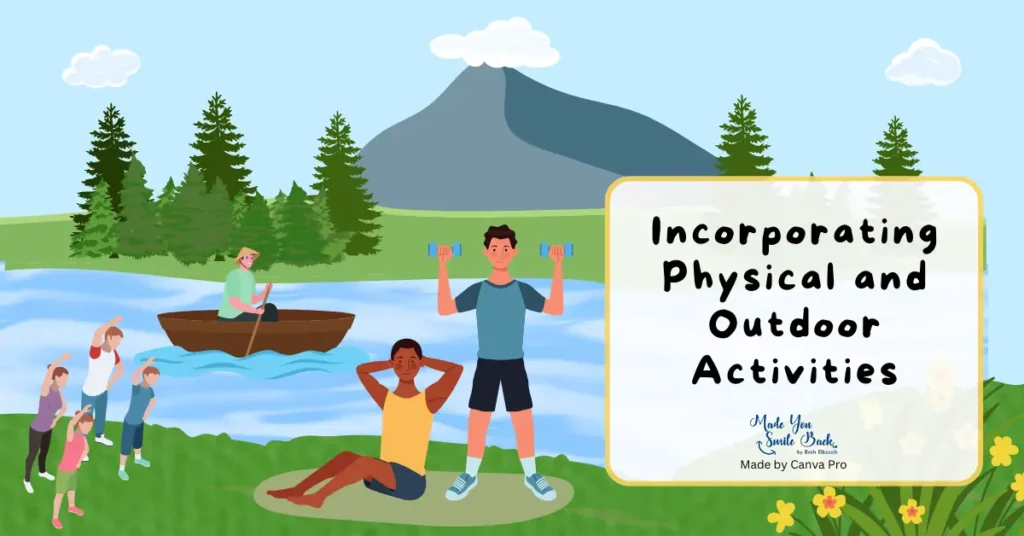
Incorporating Physical and Outdoor Activities
Engaging in physical and outdoor activities can significantly boost mental health by improving mood and decreasing stress.
Activities like exercise, hiking, and gardening help enhance both physical fitness and emotional well-being.
Exercise’s Role in Mental Health
Exercise is a powerful tool for improving mental health.
Regular physical activity releases endorphins, which are chemicals in your brain that act as natural mood lifters. This can help reduce symptoms of depression and anxiety.
Yoga, for example, combines physical movement with breathing exercises and meditation, offering a holistic approach to wellness.
Aerobic exercises, such as running or swimming, are also effective at enhancing your mental state by increasing heart rate and stimulating brain function.
A balance of strength training and cardio can also contribute to better sleep and increased overall energy levels.
Engaging in such activities regularly helps you build physical fitness, which in turn supports your mental resilience and cognitive health.
Nature’s Therapeutic Effect
Spending time in nature has a calming effect on the mind.
Activities like hiking and gardening connect you with the natural world, offering both mental and physical benefits.
Nature-based therapy, sometimes referred to as NBIs (Nature-Based Interventions), can reduce stress and improve mood.
Hiking allows you to enjoy fresh air and scenic views while promoting cardiovascular health.
Gardening, another beneficial activity, not only gets you active but also provides a sense of accomplishment and purpose.
These activities encourage mindfulness and reduce cortisol levels, the body’s primary stress hormone.
There’s also evidence suggesting that even short periods spent in green spaces can boost your mood and overall well-being.
Structured Sport Programs
Structured sport programs offer both physical and social benefits.
Playing sports like soccer, basketball, or tennis requires teamwork, communication, and strategic thinking, all of which improve your mental health.
Participating in these programs helps build a support network, reducing feelings of isolation.
Sports also provide an opportunity to set and achieve goals, which can enhance self-esteem and confidence.
Whether you’re a part of a local sports team or simply enjoy playing sports recreationally, these activities promote a sense of achievement and well-being.
Save what you love, hover or tap the image and pin it now.
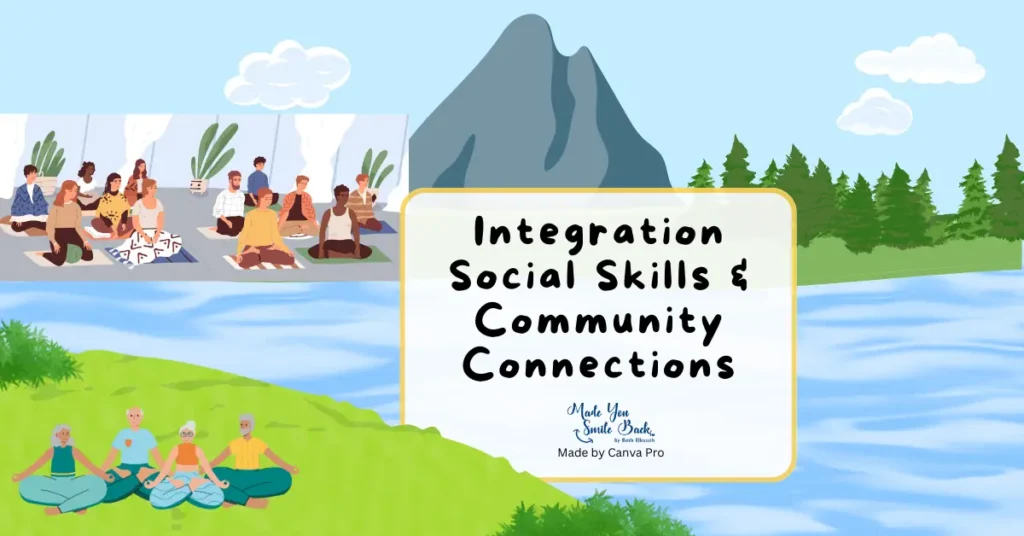
Integration Social Skills & Community Connections
Participation in recreational therapy can significantly enhance social integration and community connections.
This involves fostering social interaction, engaging in community settings, and involving families in therapeutic activities.
Fostering Social Interaction
Engaging in group activities helps build teamwork and enhance social skills.
Activities like group sports, arts, and crafts encourage interaction with others.
This promotes the development of friendships and a sense of belonging.
Additionally, structured social activities can improve communication skills.
Games and group exercises demand coordination and cooperation.
By participating, individuals learn to work together and support each other, which is crucial for mental health and community integration.
Recreational Therapy in Community Settings
Community centers serve as vital hubs for recreational therapy.
They provide a space where you can engage in various activities within a supportive environment. Programs offered in these centers often include physical activities, educational workshops, and social events.
Connecting with the broader community through local events or clubs is also beneficial.
Participation in these activities expands your social network and reinforces a sense of belonging.
Recreational therapy helps integrate individuals into their communities, reducing feelings of isolation and promoting overall well-being.
Recreation and Family Involvement
Involving family in recreational therapy activities strengthens family bonds and support systems.
Family members can participate in activities such as joint exercises, board games, or outdoor adventures, which can be both fun and therapeutic.
This interaction helps improve family relationships and creates a supportive home environment.
It also encourages family members to understand and support the therapeutic goals of their loved ones.
Families that participate in recreational activities together often report higher levels of happiness and emotional closeness.

Save what you love, hover or tap the image and pin it now.
Development and Enhancement of Life Skills
Recreational therapy activities can significantly help in developing and improving essential life skills.
These activities, facilitated by recreational therapists, boost communication, promote independence, and enhance coping mechanisms.
Communication and Relationship Building
Effective communication is essential for building and maintaining relationships.
Recreational therapy often includes group activities such as sports, dance, and drama, which are excellent for fostering these skills.
For example, participating in team sports teaches you to convey your thoughts clearly and work collaboratively.
Therapists may also use role-playing exercises to simulate social scenarios.
This helps you practice conversations and develop better listening skills.
Improved communication can increase self-esteem, making it easier to build lasting relationships.
Interactive games and activities also encourage you to express emotions constructively.
Promoting Independence and Autonomy
Independence is crucial for your self-esteem and personal growth.
Recreational therapy encourages independence by involving you in activities that require decision-making and problem-solving.
For instance, learning a new sport or musical instrument requires you to set goals and work towards them.
These activities help you take initiative, build confidence, and become more self-reliant.
A recreational therapist might assist you in creating a personal plan that outlines your goals and the steps needed to achieve them.
This practice reinforces a sense of autonomy and control over your life.
Additionally, activities like gardening or cooking can teach practical skills, making daily living easier and fostering a sense of accomplishment.
Coping and Resilience Skills
Coping mechanisms are vital for managing stress and emotional challenges.
Recreational therapy introduces you to activities that enhance your resilience.
Meditation, yoga, and mindfulness exercises are commonly used methods that can help you manage anxiety and improve emotional regulation.
Participating in physical activities like hiking or swimming also boosts endorphin levels, which can reduce feelings of stress and depression.
These activities provide a healthy outlet for emotions and promote mental well-being.
Regular engagement in recreational activities also helps you develop a routine, which can be a critical coping mechanism during difficult times.
The sense of community and support from group activities can lessen feelings of isolation and build resilience.

Save what you love, hover or tap the image and pin it now.
Specialized Recreational Therapies and Interventions
Specialized recreational therapies offer targeted approaches to help individuals with different mental health conditions. These therapies use assistive technology and leisure activities to aid in rehabilitation and recovery.
Targeted Therapies for Specific Conditions
Recreational therapy can be tailored to address specific mental health conditions such as post-traumatic stress disorder (PTSD), anxiety, and depression.
For instance, music therapy has been shown to reduce anxiety and improve mood.
Individuals with PTSD might engage in activities like drama therapy to help process traumatic experiences in a safe and creative manner.
Art therapy allows for self-expression, which can be particularly beneficial for those dealing with severe depression.
Sports activities are useful for individuals recovering from physical injuries or those with severe anxiety, providing a structured way to build confidence and social skills.
Use of Assistive Technology and Equipment
Assistive technology plays a significant role in enhancing recreational therapy.
For example, virtual reality (VR) is used to create immersive environments for those with PTSD, helping them to face and manage their fears in a controlled setting.
Adaptive devices, such as custom-designed bicycles or wheelchairs, allow individuals with physical disabilities to participate in recreational activities.
These tools can be crucial for mental health recovery by enabling participation in social and physical activities that would otherwise be inaccessible.
Biofeedback devices help individuals with anxiety or depression to become aware of and control physiological responses through interactive games or activities.
These devices make it easier for occupational therapists and psychologists to track progress and adjust interventions accordingly.
Integrating Leisure Activities into Rehabilitation
Incorporating leisure activities like gardening, cooking, and bird watching into rehabilitation programs provides numerous benefits.
These activities not only promote physical fitness but also enhance social skills and emotional well-being.
For individuals with intellectual and developmental disabilities, structured programs that include leisure activities can help improve social interaction and daily functioning.
By tailoring these activities to an individual’s preferences, you can make rehabilitation more engaging and effective.
Recreational therapists often work closely with psychologists to develop customized activities that align with therapeutic goals, ensuring a comprehensive approach to mental health care.

Save what you love, hover or tap the image and pin it now.
Frequently Asked Questions
Recreational therapy offers a variety of activities and interventions to improve mental health conditions. It includes effective therapy interventions, beneficial activities for anxiety disorders, support for schizophrenia, and treatments for psychiatric patients. Here’s how it all works.
What are effective recreational therapy interventions for adults with mental health conditions?
Effective recreational therapy interventions include art therapy, music therapy, and sports.
These activities help reduce stress and improve mood. Group activities such as cooperative games can enhance social skills and provide a sense of community.
How do therapeutic recreation activities benefit individuals with anxiety disorders?
Therapeutic recreation activities like yoga and meditation help to calm the mind and reduce anxiety.
Physical activities like hiking or swimming improve cardiovascular health and release endorphins, which are natural mood lifters.
Could you provide examples of therapeutic recreation that may help individuals with schizophrenia?
Activities such as gardening and structured group sports can provide a routine and reduce isolation.
Engaging in creative arts like painting or dancing can help with self-expression and emotional regulation.
Which recreational activities are considered beneficial for adolescents undergoing mental health treatment?
Adolescents benefit from activities like team sports, which teach cooperation and build confidence.
Art and music therapy can also help them express emotions that they may not be able to verbalize. Adapted sports programs are beneficial for those with physical limitations.

Save what you love, hover or tap the image and pin it now.
In Conclusion – Final Last Words
Recreation therapy activities offer a diverse and effective way to support mental health.
Engaging in leisure activities like sports, games, and arts can significantly improve emotional and psychological well-being.
Understanding the role of recreation therapy can lead to more holistic mental health care.
This approach can be integrated into various settings such as hospitals, rehabilitation centers, and community groups.
Take advantage of versatile recreational activities to enjoy improved mood, reduced stress, and a better quality of life.
Aim to find activities that resonate with you and fit into your lifestyle, such as productive leisure activities or exploring innovative therapeutic techniques.
DISCLAIMER: I, Beth Elkassih, Content Creator of Made You Smile Back, am not a mental healthcare professional in any respect. Content from this blog is NOT to be taken as medical advice or a substitute for any healthcare advice. Content is purely based on my personal opinions, life experience, being a certified Facilitator for NAMI and research.


