

Self Worth: Building Confidence and Embracing Your Value
🕒 Last Updated on January 23, 2026
Self-worth is how you see your own value as a person, beyond all your achievements or what others think of you.
You are worthy simply because you exist, not because of anything you do or any label someone gives you. This idea can shape your confidence, your choices, and how you handle life’s curveballs.
Understanding and growing your self-worth can help you feel more confident and secure.
It can also help you build healthier relationships and handle setbacks with a bit more strength. If you’ve ever doubted your value, you’re in good company—most people wrestle with this at some point.
Learning about self-worth means spotting your strengths, accepting your flaws, and remembering you deserve respect and care.
If you’re curious about ways to start seeing your own value, stick around for some ideas that might help you feel better about yourself. For a clear definition, check out Merriam-Webster’s page on self-worth.


Save what you love, hover or tap the image and pin it now.
Defining Self-Worth and Its Core Components
Self-worth is the belief in your own value, separate from achievements or how others see you.
It shapes your mental health, your decisions, and your relationships—with yourself and with others.
Self-Worth Versus Self-Esteem
Self-worth and self-esteem get mixed up a lot, but they’re not quite the same.
Get your Freebie

Self-worth is deeper and tied to your belief that you deserve love and respect just for being you, no matter what you do.
Self-esteem is more about how you feel based on your abilities and achievements.

For example, doing well on a test might boost your self-esteem, but your self-worth shouldn’t depend on those results.
Table: Comparing Self Worth and Self Esteem
| Aspect | Self Worth | Self Esteem |
|---|---|---|
| Based on | Inherent value | Achievements/Abilities |
| Changes with | Rarely | Often |
| Source | Internal | External/Internal |
True self-worth comes from believing you matter, no matter what you do or how others see you.

If you want to dig deeper, there’s a detailed explanation at Cluff Counseling.
The Roots of Worthiness
A healthy sense of worthiness usually starts early in life.
How you were treated as a kid matters—did you feel accepted, listened to, and valued? People who grow up with care and encouragement are more likely to see themselves as worthy.
Keys to building a strong sense of worthiness include:
- Self-acceptance: Accepting who you are, both strengths and flaws.
- Support: Feeling cared for and validated by others.
- Identity: Understanding and respecting your true self.
Your worthiness grows from inside. Knowing you have value, even during tough times or when you mess up, is essential.
It’s an ongoing process, honestly. More on that at Positive Psychology.
Role of Value and Autonomy
Your sense of value comes from believing you matter just as you are—not because of what you do or have.
This internal value isn’t tied to praise, wealth, or anyone’s approval.
Autonomy strengthens self-worth by letting you make your own choices.
When you act in ways that match your values and make independent decisions, you feel more worthy.
Ways to boost value and autonomy:
- Set goals based on your beliefs
- Make choices that align with what matters to you
- Respect your own boundaries and decisions
Believing in your value and practicing autonomy help you keep a steady sense of self-worth. There’s more on that at Bay Area CBT Center.
Save what you love, hover or tap the image and pin it now.
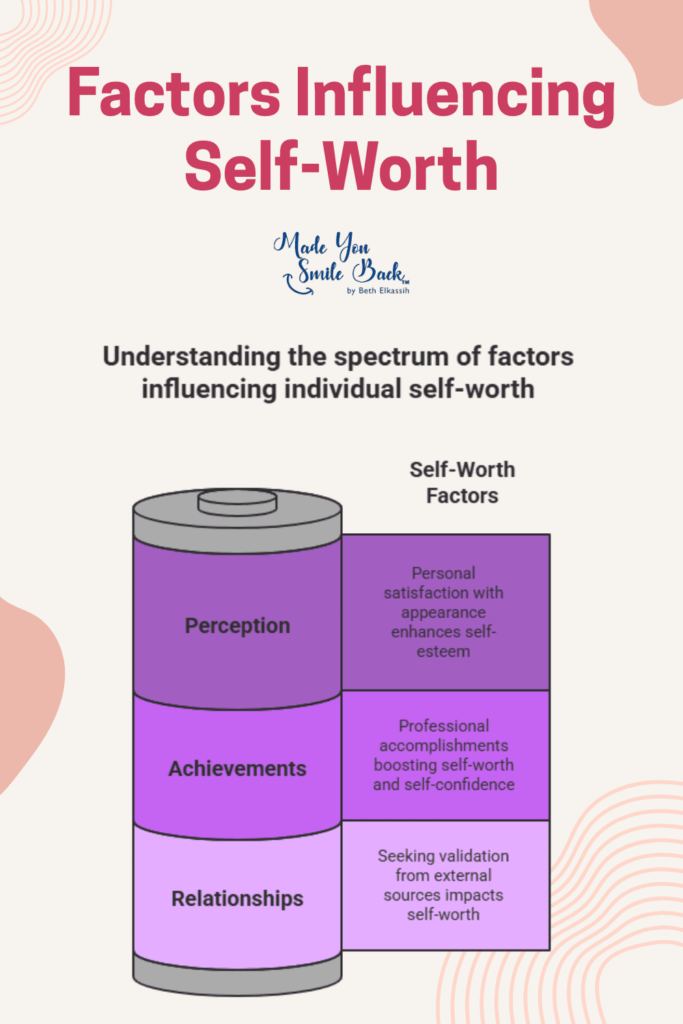
Factors Influencing Self-Worth
Your self-worth is shaped by all kinds of things in your daily life.
The people you know, your achievements, and how you see yourself in the mirror all play their part.
Relationships and Social Approval
Relationships can have a big impact on your confidence and how you see yourself.
Friends, family, and co-workers give you feedback—sometimes good, sometimes not so much.
Support from others helps you feel valued, but harsh criticism or constant negativity can chip away at your self-worth.
The need for social approval is pretty common. You might want to be liked or accepted, and that can shape your choices and feelings.
For example, positive feedback from people you care about can help you see yourself in a better light.
But feeling rejected or ignored can make you doubt your value.
Healthy relationships give you a sense of safety and belonging.
On the flip side, toxic relationships can lead to low confidence and self-doubt.
Spending time with people who lift you up can help you build your self-worth and feel more at ease with who you are.
There’s more about the impact of relationships on self worth if you want to read further.
Tips:
- Choose friends who respect and support you.
- Spend less time with people who put you down.
- Ask for help if you feel isolated or unappreciated.
Career Success and Achievement
How you do at work or in school often shapes how you think about yourself.
Success in these areas can bring pride and a reason to feel good about your abilities.
Reaching a goal, winning an award, or getting a promotion can boost your self-worth quickly.
But setbacks at work or school can lead to feelings of failure or self-doubt.
Sometimes you might judge yourself too harshly based on results.
It’s worth remembering your value isn’t just measured by your job or grades.
Setting realistic goals and celebrating small wins can help you feel confident.
Focus on learning new skills and making progress. Your achievements are just part of your story.
Find more about factors that influence self worth in the workplace and beyond.
Table: Ways Career Success Affects Self Worth
| Positive Impact | Negative Impact |
|---|---|
| Praise from bosses | Job loss |
| Meeting goals | Lack of opportunity |
| Earning raises | Failure to advance |
Physical Appearance and Perception
How you look can affect your thoughts and feelings about your worth.
This can come from your own opinions or what you hear from media, family, or friends.
Photos, ads, and online posts sometimes set standards that are, let’s be honest, pretty hard to reach.
If you’re unhappy with your appearance, it can be tough to feel good about yourself.
Negative comments about weight, skin, or clothes might lower your confidence.
On the other hand, being happy with how you look—even in small ways—can lift your mood.
It’s important to notice when outside messages start shaping how you see yourself.
Try not to compare yourself to others, especially online. Focus on what makes you unique and practice self-acceptance.
You can find more about how physical appearance shapes self-image and self-worth.
List:
- Notice when you compare your looks to others
- Remember beauty is not just physical
- Wear clothes that make you feel comfortable and confident

Save what you love, hover or tap the image and pin it now.
The Psychology of Low and High Self-Worth
Feeling good or bad about yourself can shape your thoughts, actions, and even your relationships.
Your sense of value comes from deep beliefs about your own worth and what makes you important.
Low Self Esteem and Its Impact
Low self-esteem means you often doubt your abilities and judge yourself harshly.
You might brush off compliments or ignore your strengths, focusing on what you think you did wrong.
People with low self-worth can feel anxious, sad, or unmotivated. These emotions might impact your daily life and choices.
Childhood experiences, like frequent criticism or lack of praise, often play a big part in developing low self-esteem.
If you grew up in a home with lots of disapproval, those feelings can stick around.
It’s easy to compare yourself to others and feel like you never measure up, which can lead to loneliness or avoiding challenges.
Common effects of low self-esteem:
| Effect | Description |
|---|---|
| Self-criticism | Constantly judging yourself |
| Avoidance | Not taking chances due to fear of failure |
| Sensitivity | Feeling hurt by even small comments or setbacks |
For more on the connection between low self-esteem and self-worth, see this page on self-esteem.
Understanding High Self Esteem
High self-esteem means you usually believe you have value and skills.
When you think well of yourself, daily challenges feel less scary, and you’re more willing to try new things without too much fear of failing.
Your confidence helps you build strong relationships and bounce back from setbacks faster.
High self-worth is based on stable beliefs about who you are—not just achievements or what others say.
You accept both your strengths and weaknesses.
This acceptance brings some balance to your emotions and helps you grow.
People with positive self-esteem are more likely to help others and trust themselves.
Important traits of high self-worth include:
- Self-acceptance: Knowing your strengths and weaknesses.
- Resilience: Bouncing back after failures.
- Openness: Willingness to learn and adapt.
High self-worth has a strong foundation in your own views, not just outside praise.
More details can be found at this self-worth guide.
The Concept of Contingent Self Worth
Contingent self-worth is when your sense of value depends on meeting certain standards or getting approval. You might only feel good about yourself if you get good grades, win awards, or hear praise from others.
This kind of self-worth is shaky—it can drop fast when things don’t go your way. If you base your worth on achievements or what others think, life’s emotional ups and downs can get exhausting.
Losing a job, making a mistake, or facing rejection might make you question your value. Sometimes, contingent self-worth even keeps you from taking risks or enjoying your own success, because you worry it could all vanish in a second.
It’s possible to work toward self-worth that comes from inside. Focus on your values, principles, and the qualities that stick with you, no matter what. There’s a deeper dive into this idea over at Thriveworks’ explanation of self-worth versus self-esteem.

Save what you love, hover or tap the image and pin it now.
Self-Worth and Mental Health
Self-worth affects how you feel about yourself and how you handle daily life. It shapes your risk for anxiety, stress, and depression.
Anxiety and Stress Connections
Low self-worth can make you feel more anxious. You might worry about being judged or not measuring up.
This fear often leads to stress in social situations or when you’re dealing with challenges at school or work. When you doubt your value, even small setbacks can feel huge and threatening.
You may find yourself overthinking what others think of you. Stress can pile up, leading to habits like avoidance, procrastination, or chasing perfection.
Building self-worth helps you handle stress with more confidence. Accepting mistakes as part of learning—not as proof you’re not good enough—can lower anxiety and help you bounce back faster. For more tips, check out HopeWay’s self-worth guide.
Self Worth and Depression
Low self-worth is closely tied to depression. You might feel hopeless, alone, or unable to see your strengths.
Thoughts like “I’m not important” or “I always mess up” can show up a lot, making your mood worse. Depression can make it tough to do things you once enjoyed, or to reach out for help.
The way you see yourself often shapes how you deal with stress and big life changes. Working on your sense of self-worth can lift your mood and help you think more positively.
Recognizing your achievements, staying connected with others, and asking for support can all help. There’s more on how self-esteem affects depression at NHS Self-Esteem.
Save what you love, hover or tap the image and pin it now.
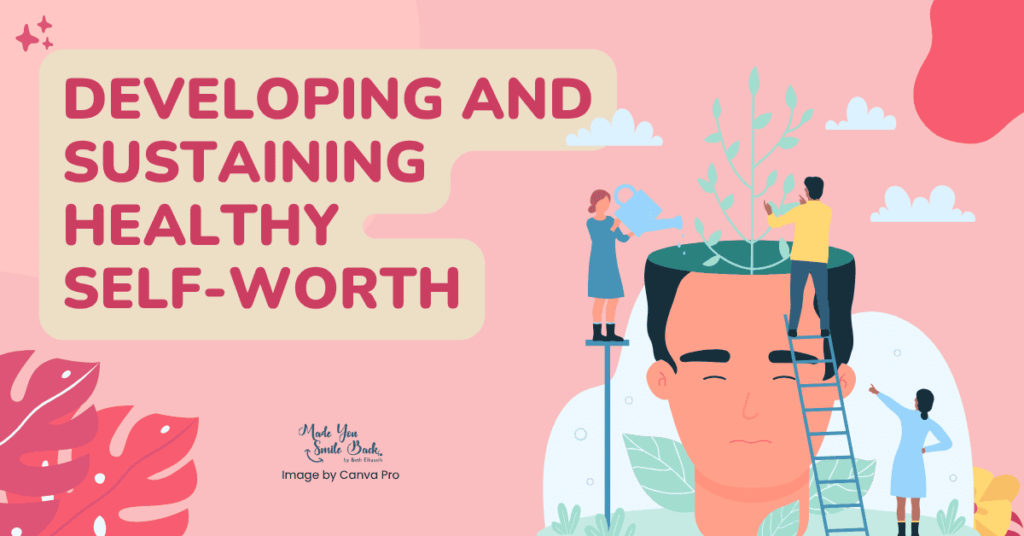
Developing and Sustaining Healthy Self-Worth
Healthy self-worth grows from working on confidence, understanding your value, and making small, intentional changes in your daily habits. Regular practice, honest self-reflection, and support from others matter a lot.
Building Self Confidence
Self-confidence builds when you learn from small wins and let yourself notice your strengths. Setting realistic goals and tracking your progress helps you see what you can do.
When things don’t go as planned, try to see setbacks as chances to learn, not as proof you’ve failed. You can boost confidence with positive self-talk and self-affirmation.
For example, jot down three things you did well at the end of each day. This helps you focus on what you can do, instead of your slip-ups.
Joining a group where you can share activities and get support makes it easier to try new things. These safe spaces help build trust in your skills. Using self-affirmation techniques can anchor your mind in what you do well, making confidence a little more solid.
Stabilizing Self Esteem
Stable self-esteem comes from seeing your worth in a balanced way. Don’t let success or failure control how you feel about yourself.
Figure out your values and remind yourself your worth isn’t the same as your achievements. Use self-reflection to get more aware of your thoughts and feelings.
Writing down what you believe about yourself can help you spot negative patterns. Practicing self-compassion when you mess up—treating yourself like you’d treat a friend—can really help.
Stay close to people who support you and notice your good qualities. Feedback from friends or mentors can help keep your self-image in check. There’s more on this at developing healthy self-esteem.
Behavior Change Strategies
Changing your habits to support healthy self-worth takes time and tiny steps. Start by noticing your daily routines.
If you catch yourself saying negative things about yourself, try swapping them for kinder, more encouraging words. Make it a habit to celebrate your effort, not just the results.
For example, if you study for a test, give yourself credit for the work, no matter the grade. Keeping a journal or self-love calendar can help you track progress.
Mindfulness and self-reflection help you catch automatic reactions and pick healthier responses. Building new, positive habits gets easier with practice and patience. You’ll find more helpful ideas at strategies to improve self-esteem.
Save what you love, hover or tap the image and pin it now.
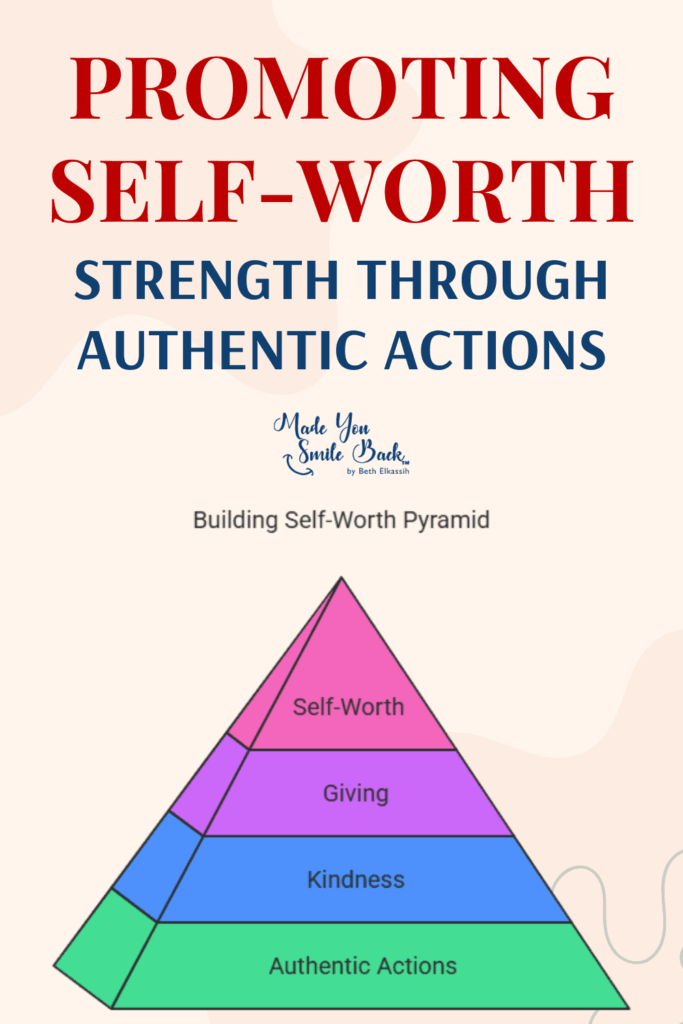
Promoting Self-Worth Strength Through Authentic Actions
Growing your sense of worth comes from what you do every day. Honest effort, caring for others, and making thoughtful choices can reinforce your value in lasting ways.
Kindness Toward Self and Others
Practicing kindness starts with how you treat yourself. You’re more likely to feel valued when you speak gently to yourself, forgive your mistakes, and notice your efforts.
Try using positive self-talk and reminding yourself of your strengths or past wins. This can help shift negative thinking.
Showing kindness to others matters too. Little things—like listening, offering support, or helping with small needs—can build connection.
Research suggests that acts of kindness boost your mood and help you feel you belong. You don’t need to do anything huge; regular, everyday kindness works just fine.
At the end of the day, reflect on your actions. Journaling about kind things you did, even if they seem small, can boost positive feelings about yourself.
When you treat yourself and others with respect, your sense of self-worth tends to grow. There are more ideas for building self-worth through positive habits and daily actions.
Giving Without Expectation
Giving without expecting anything back can deepen your self-worth. That means helping others because you care, not because you want praise or a favor in return.
Real giving comes from empathy, not a need for recognition. You can give in all sorts of ways:
- Spend time listening to someone who needs support.
- Offer your skills to help a friend or solve a problem.
- Volunteer in your community or join local activities.
When you give freely, you remind yourself you have value beyond what you get from others. Knowing you’ve made a difference, even in small ways, can boost your confidence and self-respect.
This approach helps break the habit of chasing approval and lets you build a sense of worth from within. There’s a good guide on this at healthy self-worth building habits.

Save what you love, hover or tap the image and pin it now.
Frequently Asked Questions
Self-worth shapes your thoughts, feelings, and everyday choices. Figuring out how to recognize and support it can change your well-being, actions, and relationships.
What are effective strategies to improve self-worth?
You can boost self-worth by practicing self-compassion and noticing your strengths. Setting small, doable goals helps build confidence.
Reflecting on what you do well and celebrating your efforts makes a difference. Doing things that line up with your values also supports your sense of worth.
If you focus on growth, not perfection, progress feels more real. There are more tips at Resilience Lab’s page about self-worth.
How does self-worth differ from self-esteem?
Self-worth is your belief that you’re valuable and deserve respect, even without achievements. Self-esteem is more about how you feel about your abilities and successes.
Self-worth stays pretty steady, while self-esteem can swing with your wins or losses. That deep-down feeling of being good enough—that’s self-worth. For a clear definition, see Self Esteem Boston’s explanation of self-worth.
Can you provide real-world examples demonstrating the importance of self-worth?
If you value yourself, you’re more likely to set healthy boundaries and look for relationships that show respect. For instance, someone with solid self-worth might turn down unfair treatment at work or with friends.
Students who believe they matter are more likely to speak up in class or ask for help. In families, a parent with healthy self-worth can model positive behaviors for their kids.
How do personal achievements and failures impact one’s sense of self-worth?
Achievements can give your confidence a boost, but self-worth isn’t just about success. If you treat failures as learning chances, you’re less likely to feel crushed by setbacks.
Holding onto self-worth through ups and downs makes it easier to try new things and face challenges. It helps you keep a steady sense of value no matter what happens.
Why is understanding and cultivating self-worth crucial for personal development?
Knowing your own worth helps you set goals, pick supportive relationships, and make choices that fit who you are. You’re less likely to settle for less or doubt yourself.
Investing in self-worth makes growth and change more possible. It’s a strong base for handling life’s twists and turns with resilience.
What role do external affirmations and validations play in shaping our self-worth?
External feedback from others can give you a quick mood boost or lift your confidence for a bit. But if your self-worth depends mostly on what others say, it gets fragile.
Real self-worth comes from inside. Sure, outside support helps, but building your own sense of value keeps you steady in the long run. There’s more on this at Positive Psychology’s guide to self-worth.

Save what you love, hover or tap the image and pin it now.
In Conclusion – Final Last Words
Self-worth means believing you matter and have value, no matter what you achieve or how others see you.
It isn’t about your success, talents, or how you look. Instead, it comes from accepting yourself as you are.
People with strong self-worth tend to feel more confident. They don’t lean on praise, money, or popularity to feel good about themselves.
When you recognize your self-worth, handling tough times gets a bit easier. You might even bounce back faster when things go wrong.
Improving self-worth takes time and practice.
Try focusing on self-acceptance and speaking kindly to yourself. You really don’t need to earn your worth—it’s already there.
Your self-worth isn’t about what you own, how you look, or what others say. It’s about seeing value in yourself just as you are, flaws and all.


