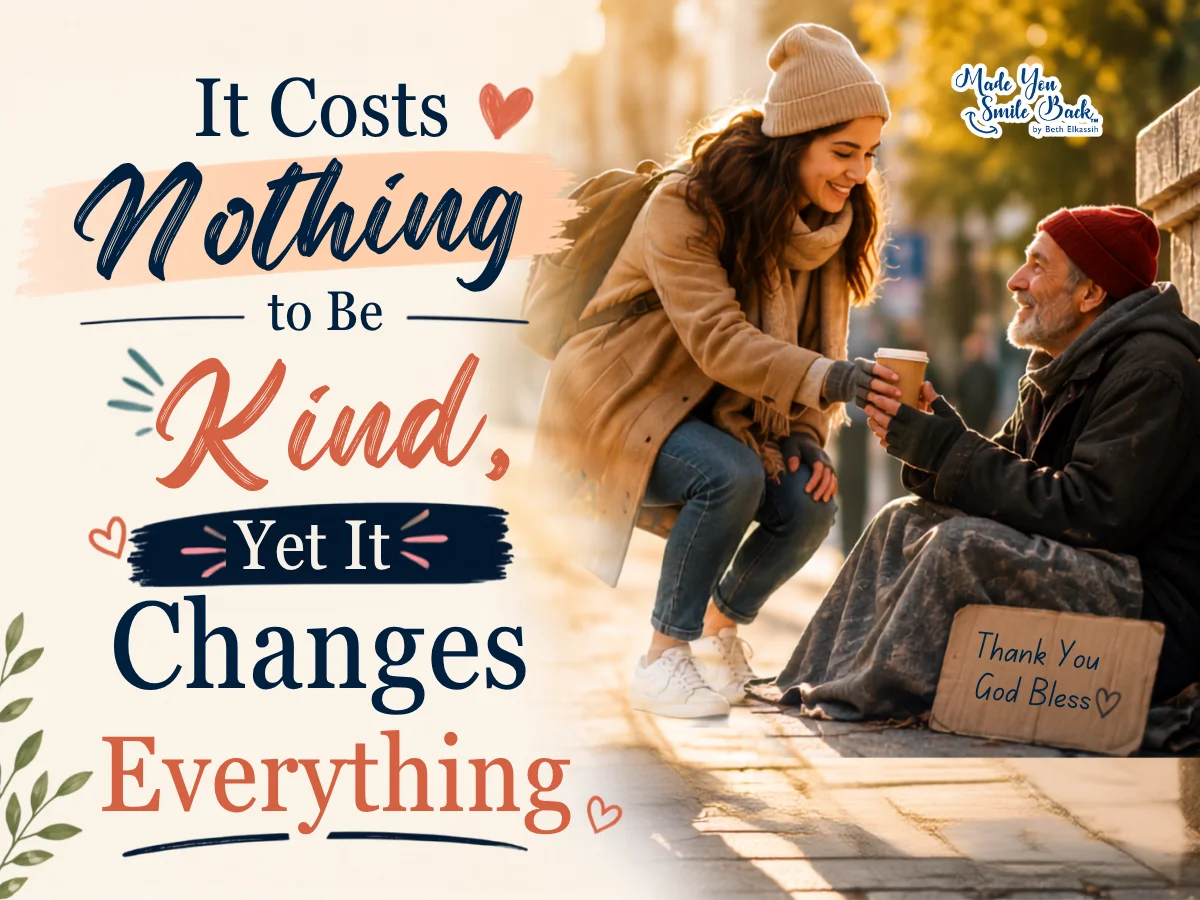
It Costs Nothing to Be Kind, Yet It Changes Everything
🕒 Last Updated on September 4, 2026
Kindness doesn’t need a budget. It doesn’t need a special occasion, a fancy gift, or a perfect moment.
All it needs is you, deciding to care for one more second than you had to. That single decision, repeated often enough, can quietly reshape a life.
The phrase “it costs nothing to be kind” isn’t just a nice saying for a coffee mug. It’s a truth that can change how you move through the world, how people remember you, and how you feel about yourself at the end of the day.
In this article, we’ll explore why kindness matters so much, how to practice it daily, and why it might be the most underrated habit you can build. By the end, you’ll have simple, practical ways to make kindness part of your everyday routine.
Whether you’re looking to improve your relationships, your workplace, or simply your own outlook, kindness offers a starting point that anyone can afford. It’s one of the few tools available to every single person, regardless of circumstance.
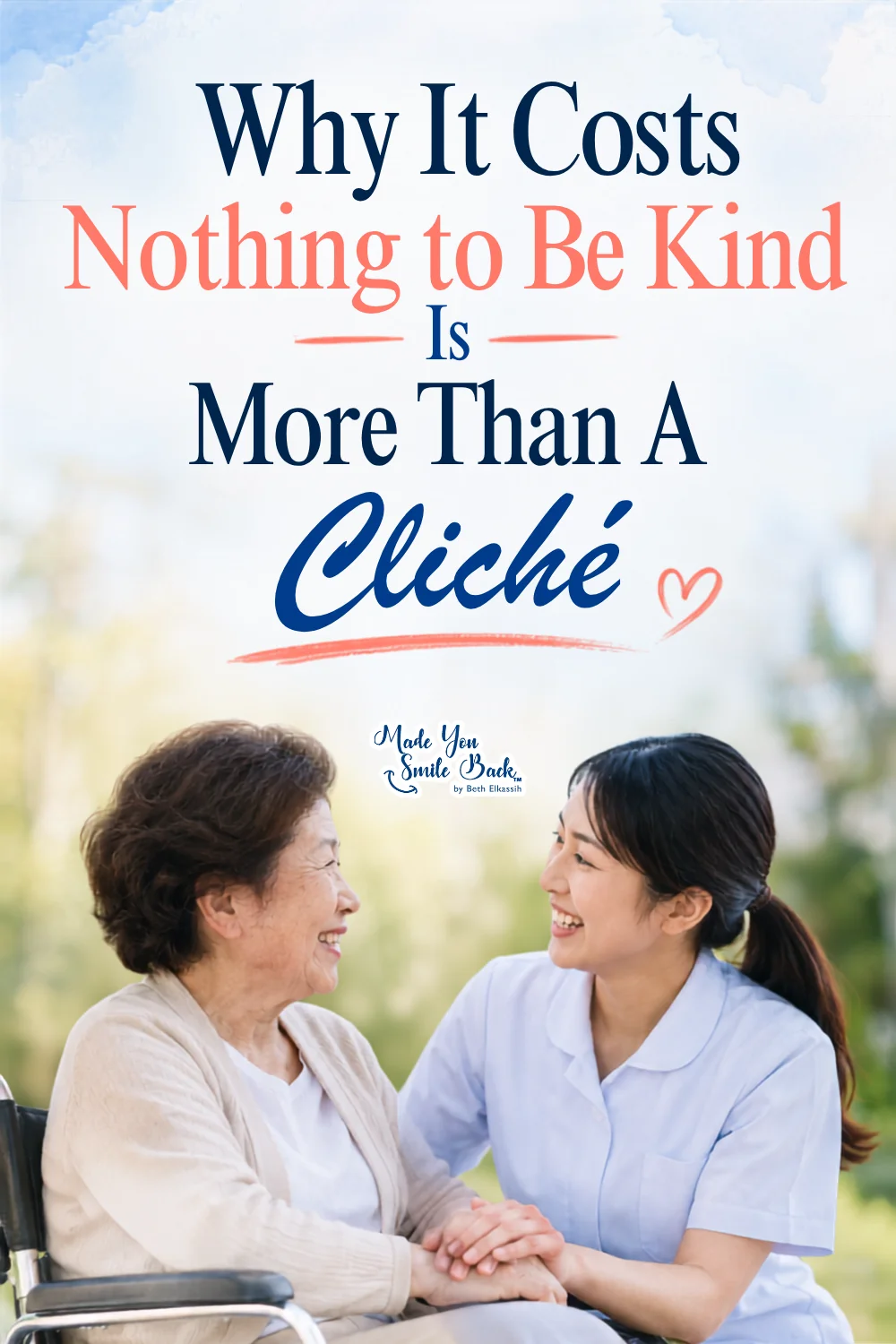
Why “It Costs Nothing to Be Kind” Is More Than a Cliché

Save what you love, hover or tap the image and pin it now.
At first glance, “it costs nothing to be kind” sounds like something you’d see stitched on a throw pillow. But the deeper you look, the more powerful it becomes.
Kindness requires no money, no degree, and no special talent. It only requires a willingness to notice someone else and respond with warmth instead of indifference.
That’s what makes it so accessible. Anyone, regardless of income or status, can practice it starting today.
Here’s what makes this phrase so important:
Get your Freebie

- It removes every excuse. You can’t say you’re “too broke” or “too busy” to be kind.
- It levels the playing field. A child, a CEO, and a stranger on the street can all practice it equally.
- It reminds us that connection is a choice, not a resource we have to earn.
- It works in every culture and language, because warmth is universally understood.
When you strip away the idea that kindness needs a price tag, you’re left with something simple and radical. It becomes a decision anyone can make, anytime, in any circumstance.
This is exactly why the phrase has stuck around for generations. It cuts through every excuse people use to justify staying distant or indifferent.

It’s also a phrase that translates across nearly every language and culture, because the idea itself is universal. No matter where you’re from, warmth toward another person is instantly understood.
The Real Cost of Being Unkind

Save what you love, hover or tap the image and pin it now.
If kindness costs nothing, unkindness often costs a lot. Harsh words, dismissive attitudes, and cold indifference can chip away at relationships, workplaces, and communities.
Think about the last time someone was rude to you. Did it ruin your morning, or did it stick with you longer than it should have?

Most people can recall a sharp comment from years ago far more easily than a compliment. That imbalance says something important about how deeply unkindness lingers.
Unkindness has ripple effects that are easy to underestimate:
- It damages trust, which takes far longer to rebuild than it took to break.
- It creates a tense environment, whether at home, school, or work.
- It can push people toward isolation, especially those already struggling.
- It teaches others, especially children, that harshness is normal.
- It quietly lowers morale in group settings, even when no one says it out loud.
Choosing kindness isn’t just about being “nice.” It’s about refusing to add unnecessary weight to someone else’s day, especially when you have no idea what they’re already carrying.
Everyone you meet is fighting some kind of battle you can’t see. That alone is reason enough to lead with patience instead of judgment.
It’s easy to forget this in the middle of a stressful day. But a brief pause before reacting can be the difference between adding to someone’s burden and lightening it.
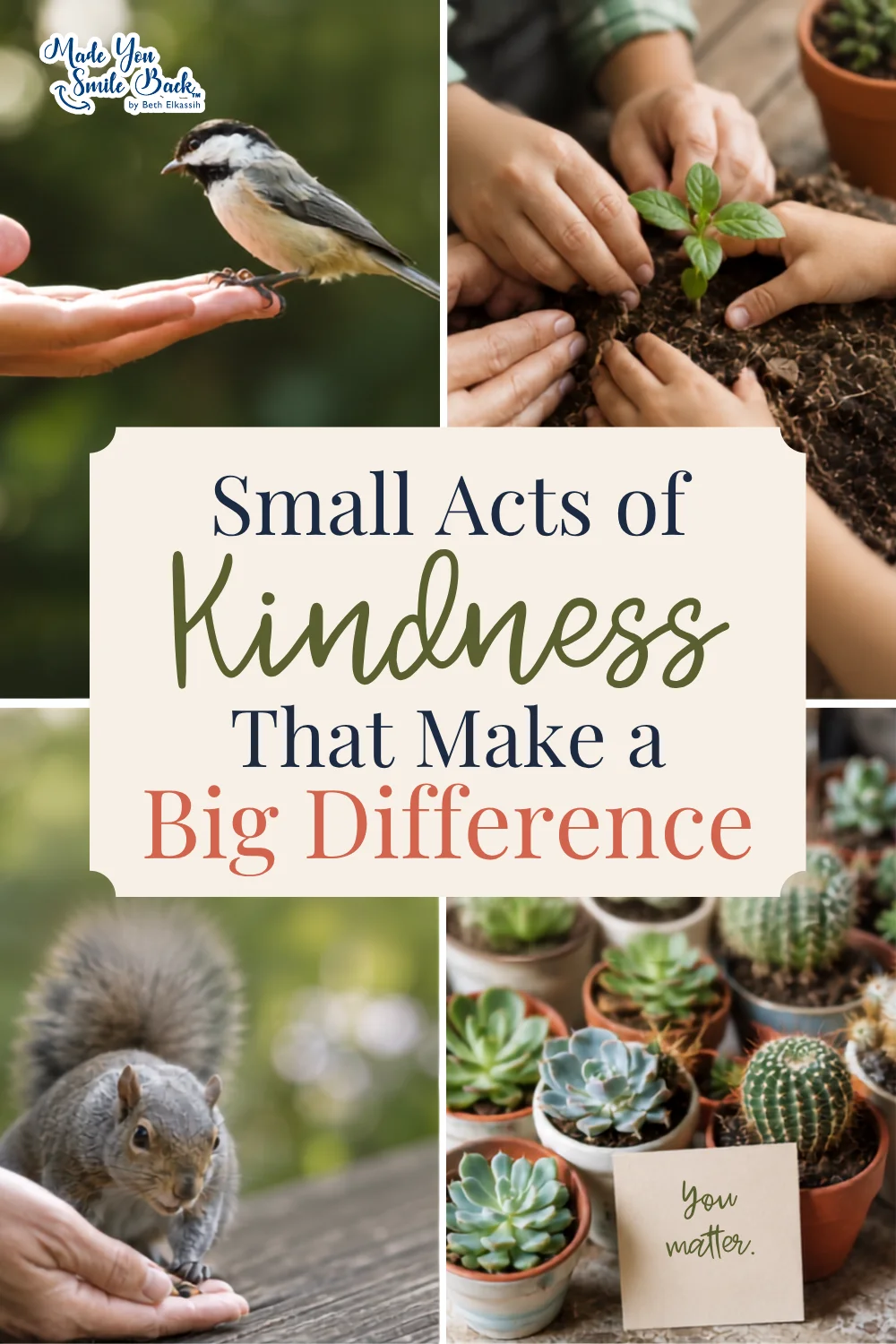
Small Acts of Kindness That Make a Big Difference
Save what you love, hover or tap the image and pin it now.
You don’t need a grand gesture to be kind. Some of the most meaningful moments come from the smallest actions, offered without any expectation of return.
In fact, tiny gestures often mean more precisely because they’re unplanned. They show that kindness wasn’t rehearsed, only chosen in the moment.
Consider adding these simple habits to your daily routine:
- Holding the door open, even if it means waiting a few extra seconds.
- Smiling at a stranger instead of looking away.
- Sending a text to check on someone you haven’t talked to in a while.
- Complimenting someone’s effort, not just their results.
- Letting a car merge in front of you during traffic.
- Saying “thank you” and meaning it, instead of rushing past the moment.
None of these actions require planning, money, or special skill. They only require attention and a willingness to pause for a moment.
Over time, these small habits add up. They shape how people experience you, even in interactions that only last a few seconds.
People rarely remember exact words, but they almost always remember how someone made them feel. That’s the quiet power hidden inside these tiny, everyday choices.
How Kindness Benefits Your Own Mental Health
Save what you love, hover or tap the image and pin it now.
Kindness isn’t only a gift to others. It’s a gift to yourself, too, in ways that science increasingly supports.
Research on prosocial behavior consistently shows that helping others boosts mood, reduces stress, and increases feelings of purpose. When you’re kind, your brain releases feel-good chemicals like oxytocin and serotonin.
This chemical response isn’t accidental. Humans are wired for connection, and kindness is one of the fastest ways to activate it.
Here’s how kindness supports your own well-being:
- It shifts your focus away from your own worries, even briefly.
- It builds a sense of connection, which fights feelings of loneliness.
- It reinforces a positive self-image, since kind actions align with who most people want to be.
- It creates a “helper’s high,” a real and measurable mood boost.
- It can lower blood pressure and reduce cortisol, the body’s primary stress hormone.
In short, being kind to others is one of the simplest forms of self-care you’ll ever practice. It costs nothing, yet the emotional return is significant.
Unlike many wellness trends, kindness doesn’t require special equipment or a subscription. It simply asks you to show up for someone else, and in doing so, you end up showing up for yourself too.
Teaching Kindness to the Next Generation

Save what you love, hover or tap the image and pin it now.
Kindness is a skill, and like any skill, it’s learned over time. Children absorb far more from what they observe than from what they’re told directly.
If you want to raise kind humans, modeling the behavior matters more than lecturing about it. Kids notice tone, body language, and follow-through long before they understand the words being used.
Try these approaches at home or in the classroom:
- Narrate your kind choices out loud, such as saying, “I’m going to help her carry that because it looks heavy.”
- Praise effort and empathy, not just achievement or winning.
- Read stories that highlight compassion and discuss the characters’ choices afterward.
- Create small opportunities for children to help others, like baking for a neighbor.
- Acknowledge it when your child chooses kindness on their own, without prompting.
When kindness becomes a household norm instead of an occasional lesson, it sticks. Children raised this way tend to carry the habit into adulthood without even thinking about it.
They also tend to pass it forward, whether to friends, coworkers, or their own children someday. In that sense, teaching kindness is one of the most lasting investments a parent or teacher can make.
Kindness in the Workplace: Why It Matters More Than You Think

Save what you love, hover or tap the image and pin it now.
Work environments often reward speed, competition, and results above all else. But kindness quietly determines whether people actually want to show up each day.
A workplace where kindness is common tends to see stronger collaboration and lower turnover. People perform better when they feel respected, not just managed from a distance.
This isn’t just a feel-good idea. Teams with higher trust and warmth consistently report better communication and fewer conflicts.
Ways to bring more kindness into your workplace:
- Acknowledge a coworker’s hard work, even for small or routine tasks.
- Offer help before someone has to ask for it.
- Give feedback with respect, not just brutal honesty.
- Check in with new employees who might feel overwhelmed or unsure.
- Avoid gossip, which quietly erodes trust across an entire team.
Kindness at work isn’t weakness, even though it’s sometimes mistaken for it. It’s often the quiet reason a team stays loyal, motivated, and willing to go the extra mile.
Leaders who model kindness tend to earn deeper respect than those who lead through pressure alone. Respect built on warmth usually outlasts respect built on fear.
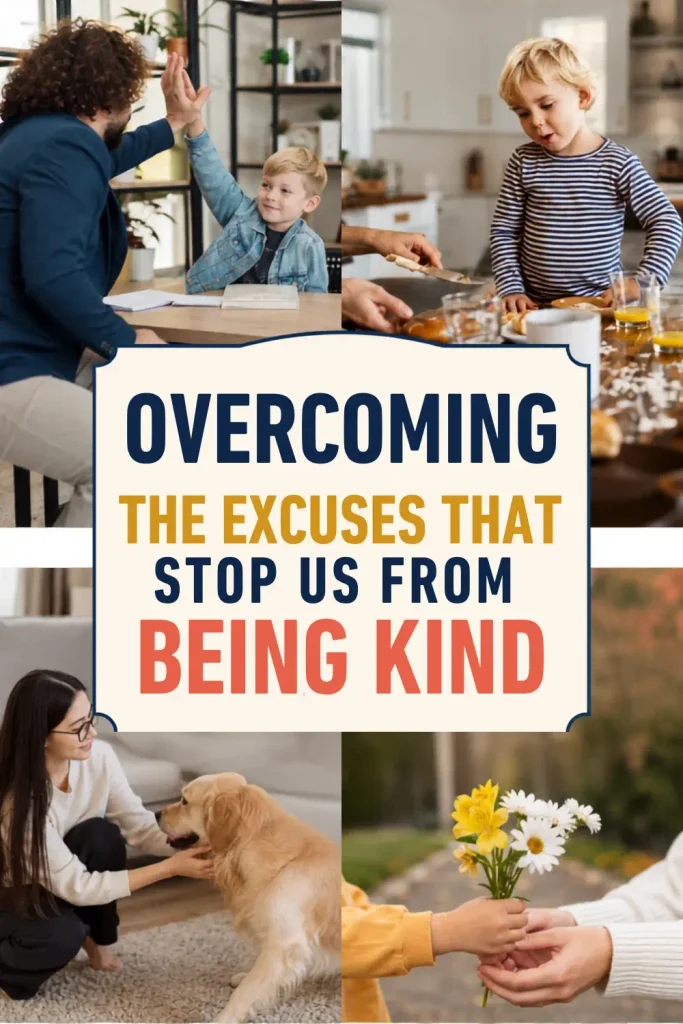
Overcoming the Excuses That Stop Us From Being Kind
Save what you love, hover or tap the image and pin it now.
If kindness truly costs nothing, why don’t we practice it more consistently? The answer usually comes down to a handful of common excuses we tell ourselves.
Recognizing these excuses is the first step toward moving past them. Most of them fall apart the moment you examine them closely.
- “I’m too busy.” Kindness often takes seconds, not hours, out of your day.
- “It’s not my responsibility.” Compassion doesn’t require obligation, only willingness to act.
- “What if it’s awkward?” Most people remember the kindness, not the awkwardness around it.
- “I don’t know them well enough.” Strangers benefit from kindness just as much as loved ones do.
- “It won’t make a real difference.” Small gestures often matter more to the receiver than you’ll ever know.
Once you notice these excuses for what they are, they become much easier to set aside. The gap between “wanting to be kind” and “being kind” is often just one small decision.
The next time an excuse comes up, try treating it as a signal rather than a stop sign. That small mental shift can be enough to push you into action instead of hesitation.
Building a Daily Kindness Habit That Actually Sticks
Save what you love, hover or tap the image and pin it now.
Like any habit, kindness grows stronger with repetition. The goal isn’t perfection, and it never has to be dramatic.
Consistency matters far more than intensity. A small kind act every day beats one grand gesture every few months.
Here’s a simple framework to build the habit over time:
- Pick one small kind act to practice each morning, even something tiny.
- Look for one unplanned opportunity to help someone during your day.
- Reflect at night on how it felt to give and to notice kindness around you.
- Track your progress for 30 days to reinforce the pattern.
- Invite someone else to join you, since shared habits tend to last longer.
Over time, kindness stops being something you have to remember. It becomes part of who you are, woven quietly into how you treat everyone around you.
At that point, you’re no longer “trying” to be kind. You simply are, and that shift changes how you experience nearly every relationship in your life.
Final Last Words
It costs nothing to be kind, yet the impact can last a lifetime. A single kind word or small gesture can change someone’s entire day, and sometimes their entire outlook.
You don’t need more money, more time, or more resources to start. You only need the decision to care, made again and again, one moment at a time.
So the next time you’re unsure whether your kindness matters, remember this. It always does, and it never costs you a single thing.
Choose it today, in whatever small way fits your life. The world tends to notice, even when you never find out exactly how much.